The Mystery of Cartagena: 5 Ancient Legends and Where to Find Them!
The Ochre Labyrinth: Awakening in the Walled City
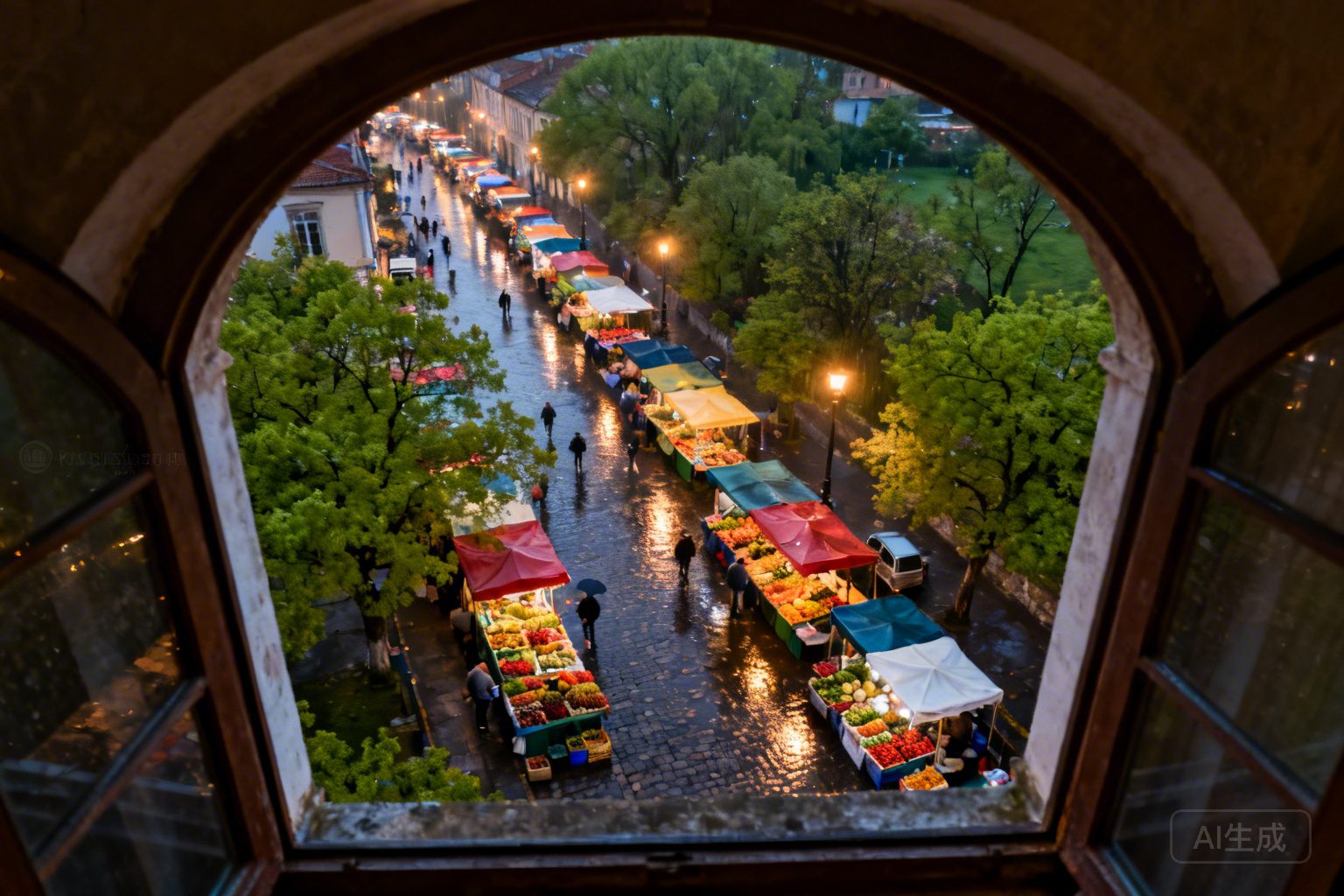
The dawn in Cartagena de Indias does not arrive with a whisper; it arrives with the heavy, salt-slicked humidity of the Caribbean Sea pressing against the jalousie shutters of the Calle del Torno. I woke to the sound of a broom—bristle against basalt—wielded by a woman whose silhouette was a study in obsidian and white linen. The air smelled of overripe mangoes and the faint, metallic tang of the nearby harbor, a scent that has lingered here since the first stones of the Murallas were laid to keep out the English privateers. This is a city built on the bones of galleons and the ambitions of the Spanish Crown, a place where the line between historical record and fever dream is as thin as the skin on a local custard apple.
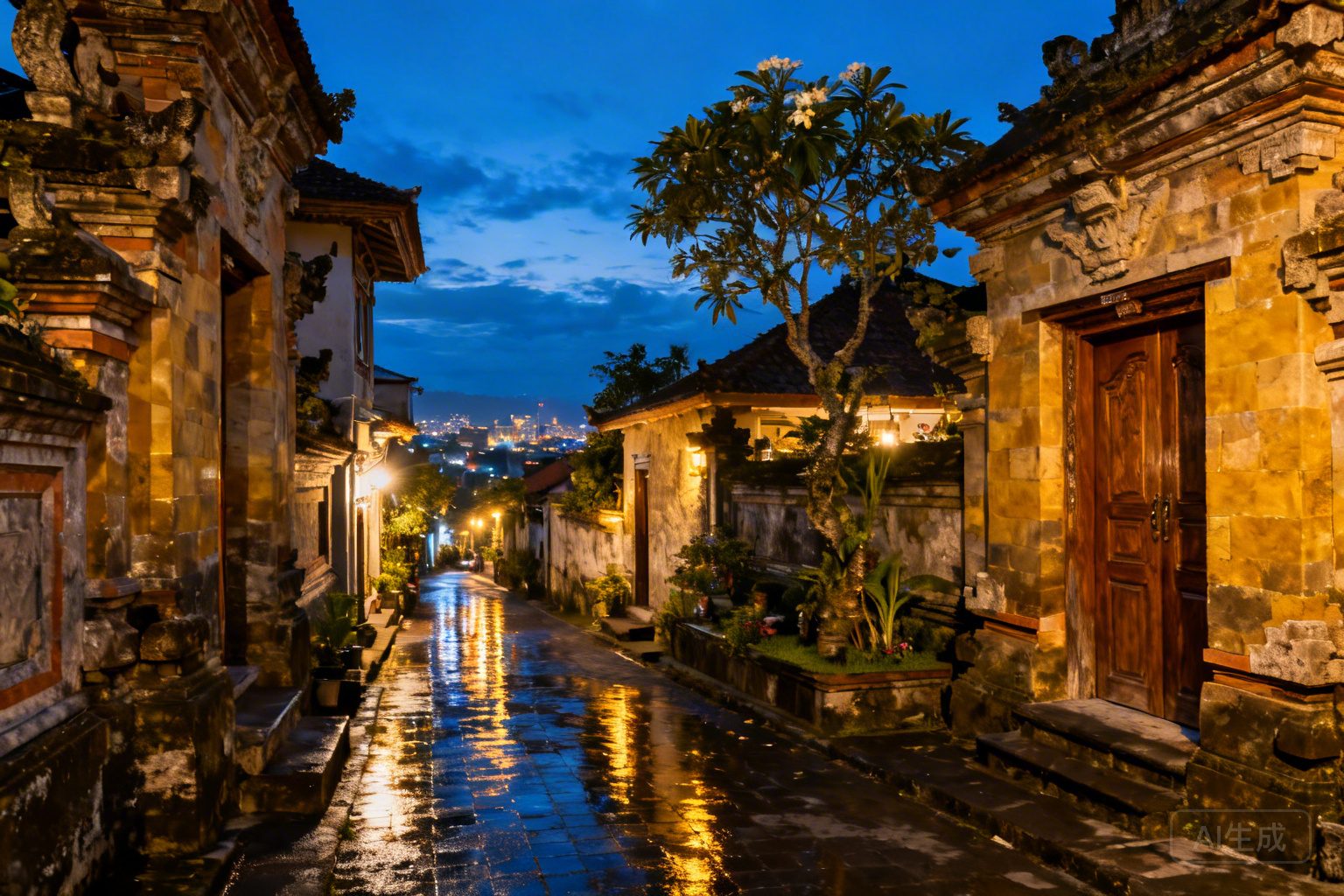
Cartagena is not merely a destination; it is a ghost story told in broad daylight. To walk its streets is to navigate a sensory bombardment. Here, the paint on a seventeenth-century portal doesn’t just peel; it curls like parchment in a fire, revealing layers of indigo, ochre, and oxblood that speak to centuries of aesthetic whimsy. The heat is a physical presence, a warm weight on the shoulders that forces a slower, more deliberate gait. I watched a frantic office worker in Getsemaní, his tie loosened and his forehead a map of perspiration, dodging a cart of green coconuts. He moved with the desperate energy of the modern world, yet the city seemed to swallow his urgency, dampening his footsteps with its ancient, indifferent gravity.
Legend I: The Bitter Silence of the Alchemist’s Daughter
My journey began in the shadow of the Convent of Santa Clara. It is here that the legend of Sierva María de Todos los Ángeles—immortalized by García Márquez but rooted in the soil of local whispers—clings to the bougainvillea. They say a young girl with copper hair that grew long after her death was buried in these walls, a victim of a supposed demonic possession that was likely nothing more than the profound loneliness of a child raised by slaves. I stood by the well in the inner courtyard, where the air is noticeably cooler, a microclimate of damp stone and moss.
A silent monk passed me, his habit trailing through the dust without a sound, his eyes fixed on a point three centuries away. He didn’t acknowledge my presence. In Cartagena, the living and the dead often share the same narrow sidewalk. To find this legend, one must look not at the museum plaques, but at the copper-colored vines that spill over the balconies of the San Diego district. The texture of the walls here is porous, pockmarked by salt air and time, resembling the surface of a moon that has seen too much blood. The legend persists because the city refuses to let its tragedies fade; it keeps them polished like the brass knockers—the aldabas—that guard the heavy cedar doors.