The Mystery of Munich: 5 Ancient Legends and Where to Find Them!
The Copper Breath of the Isar
Munich is a city that hides its scars under a heavy velvet cloak of prosperity. To the casual observer—the one who steps off the ICE train and vanishes into the gleaming cavern of the Hauptbahnhof—it is a place of polished BMWs, relentless efficiency, and the rhythmic, metronomic clinking of heavy glass mugs. But beneath the asphalt and the manicured gardens of the Englischer Garten, there is a pulse that beats to a much older, darker rhythm. The air here tastes of ozone and damp limestone, a sharp contrast to the buttery scent of freshly baked Brezen that drifts from the street stalls at dawn. I arrived as the sun began to bleed a pale, bruised violet over the spires of the Frauenkirche, the temperature dropping just enough to turn my breath into ghost-smoke. The wind at the corner of Neuhauser Straße doesn’t just blow; it whispers with a rasping, metallic edge, rattling the wrought-iron signs of shops that have stood since the kings of Bavaria still dreamed of gilded castles.
This is not a city of surface-level charms. It is a palimpsest. Every cobblestone has been scrubbed of war-soot, yet the memory of the fire remains in the cool, mossy shadows of the alleyways. I am here to find the ghosts. Not the ethereal spirits of Gothic novels, but the living legends that define the Bavarian psyche—the stories that the locals pretend to ignore while subconsciously stepping around a specific paving stone or glancing nervously at a certain gargoyle.
I. The Architect’s Hubris: The Devil’s Footstep
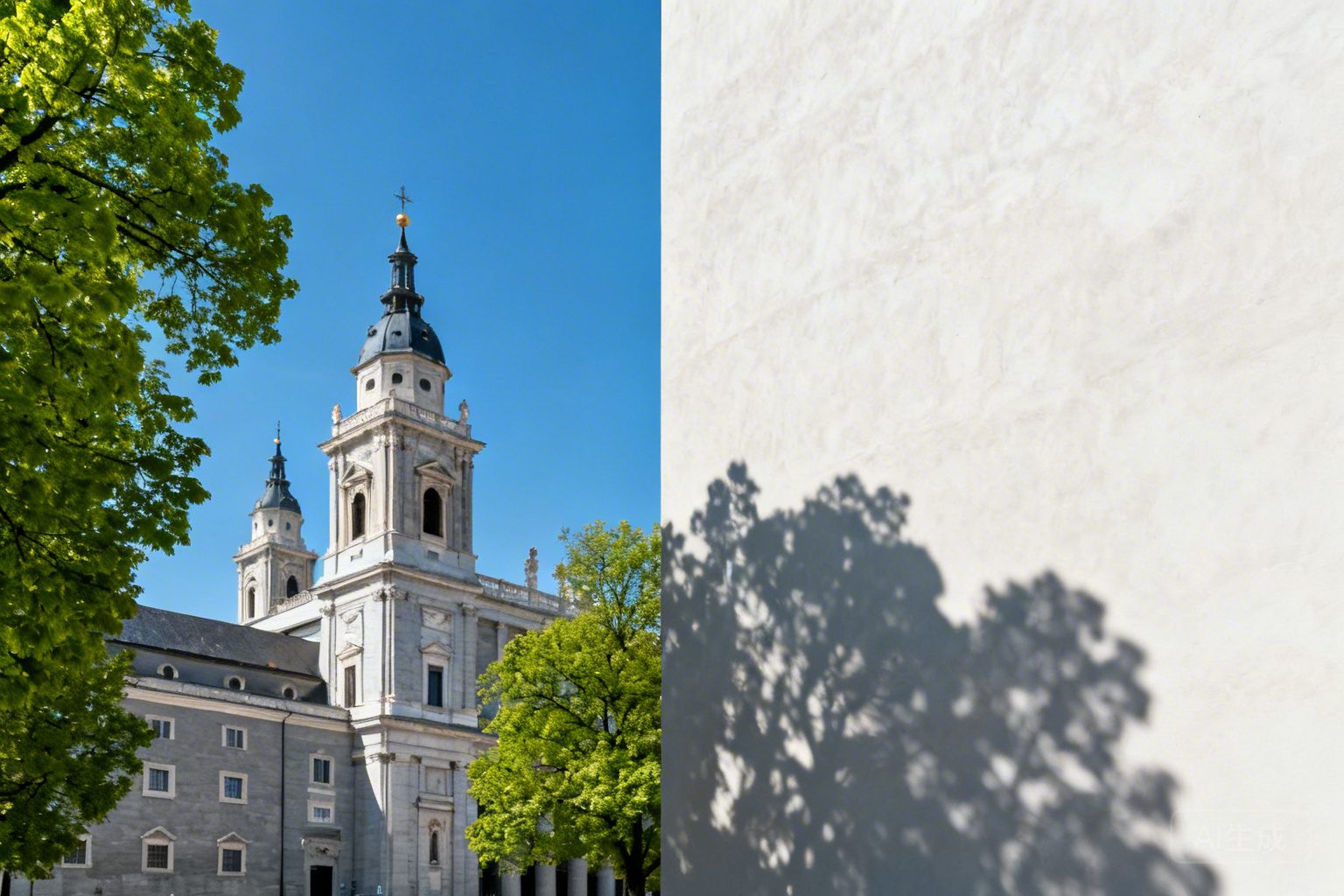
My journey begins at the Frauenkirche, the cathedral whose twin onion domes define the skyline like two silent sentinels. The interior is a cavern of white light, an architectural exhale that feels almost too large for the human soul to occupy. I watched a brusque waiter from a nearby café—white apron stained with a single drop of espresso, jaw set in a permanent scowl of German punctuality—duck inside for a fleeting second, crossing himself with a mechanical grace before disappearing back into the morning rush. He didn’t look up at the soaring ceiling. He looked down.
Near the entrance lies the Teufelsschritt, the Devil’s Footprint. It is a singular, black mark embedded in the tile, a permanent scar on the floor of the sacred. The legend is a masterclass in Bavarian wit: the architect, Jorg von Halspach, allegedly made a deal with the Devil to fund the construction. The condition? No windows were to be visible. When the Devil stood at the entrance, the clever placement of the massive pillars obscured every pane of glass. Infuriated by the deception when he stepped further in, the Prince of Darkness slammed his foot down, leaving a charred imprint before vanishing in a gale of sulfur.