The Mystery of Zurich: 5 Ancient Legends and Where to Find Them!
The Low-Down on the Limmat
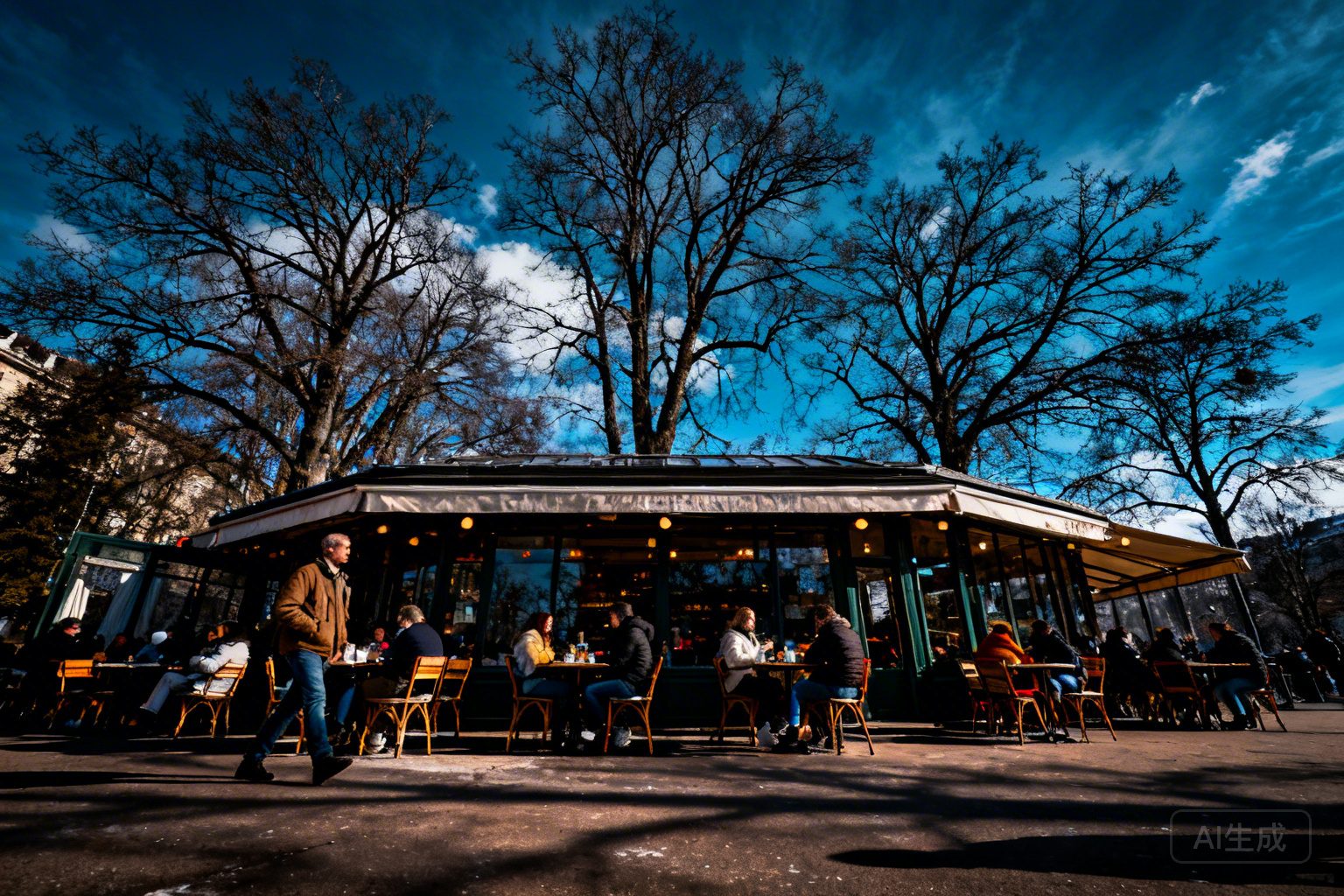
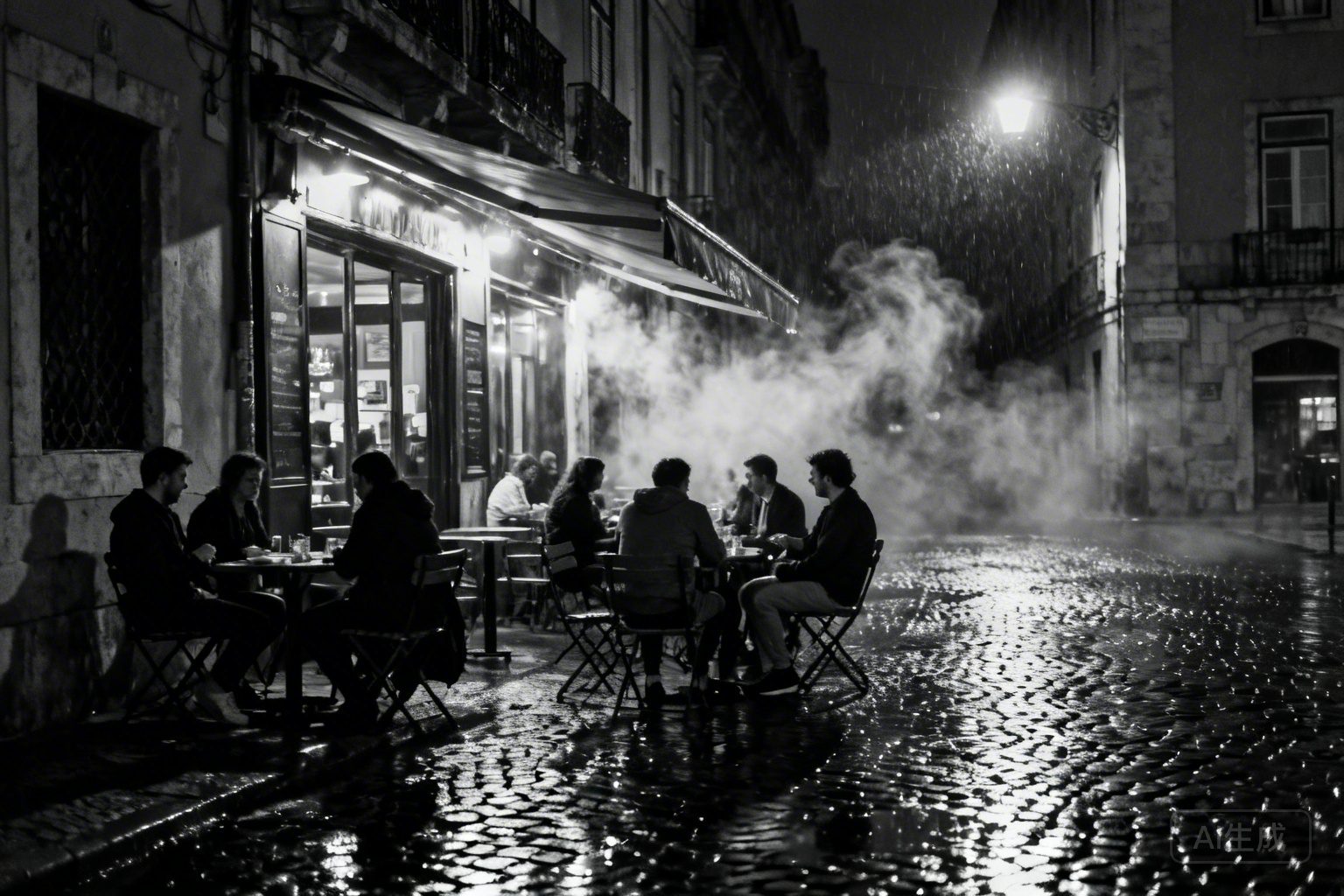
I’ve been sitting in a corner of Cafe Henrici for three hours. The sunlight is hitting the cobblestones of the Niederdorf at that specific angle where the shadows look like ink spills. Most people come to Zurich for the banking or the watches, but I came here to vanish. After four months of living out of a duffel bag in various postcodes, I’ve realized that Zurich isn’t just a sterile hub of efficiency; it’s a city built on top of ghosts, martyrs, and some seriously weird folklore that the locals don’t talk about unless you’re three beers deep into a night at a windowless bar in Langstrasse.
If you want to disappear here, you have to understand the rhythm. It’s a city of silences. There is an unwritten rule: don’t be loud, don’t be flashy, and for the love of God, don’t stand on the left side of the escalator. People here value “Anständigkeit”—a sort of decent propriety. But underneath that polished surface of $7 espressos and punctual trams, there’s a mystery that dates back to when this place was a Roman outpost called Turicum. I’ve spent my weeks tracking down five specific legends that define the city’s soul, while simultaneously figuring out where to get my laundry done without mortgaging my soul.
1. The Headless Martyrs of Altstetten
Most tourists crowd around the Grossmünster to see where Huldrych Zwingli kicked off the Reformation. But if you head west to Altstetten, the vibe shifts. This neighborhood is a sprawling mix of 1970s concrete apartment blocks, sleek tech offices, and pockets of old village charm that haven’t quite been swallowed yet. It’s where the “real” Zurich lives—the one that works in logistics or coding and shops at the massive Letzipark mall.
The legend here concerns Felix and Regula, the city’s patron saints. They were part of the Theban Legion, executed by the Romans. The story goes that after being beheaded, they picked up their own heads, walked uphill, and prayed before finally lying down. While the official shrine is in the center, I found a small, nondescript stone marker near a construction site in Altstetten that local lore suggests was an original resting point during their “walk.”