The Phnom Penh Travel Guide: A Complete Checklist for Your First Visit!
The Humidity of History: A Morning on the Riverfront
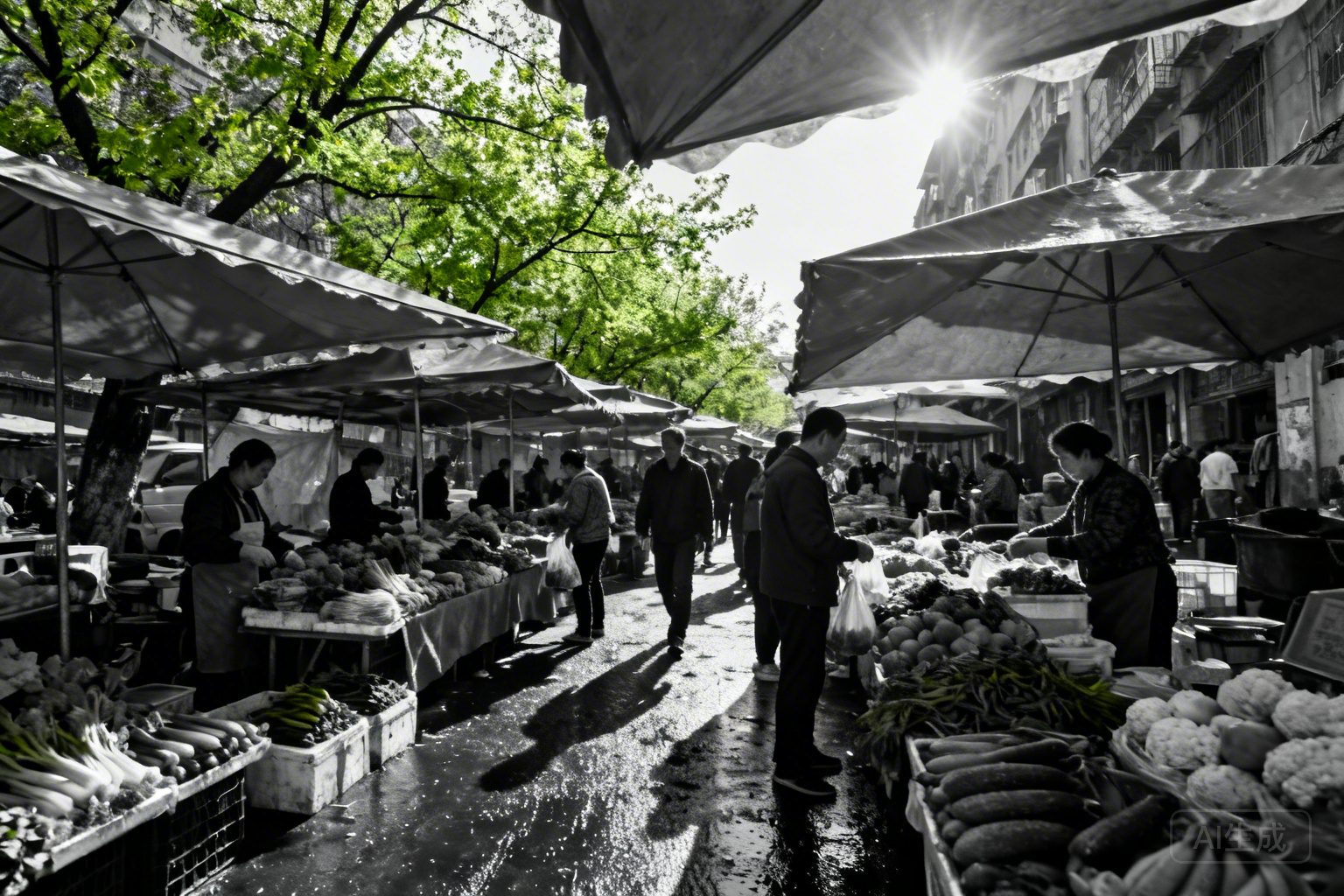
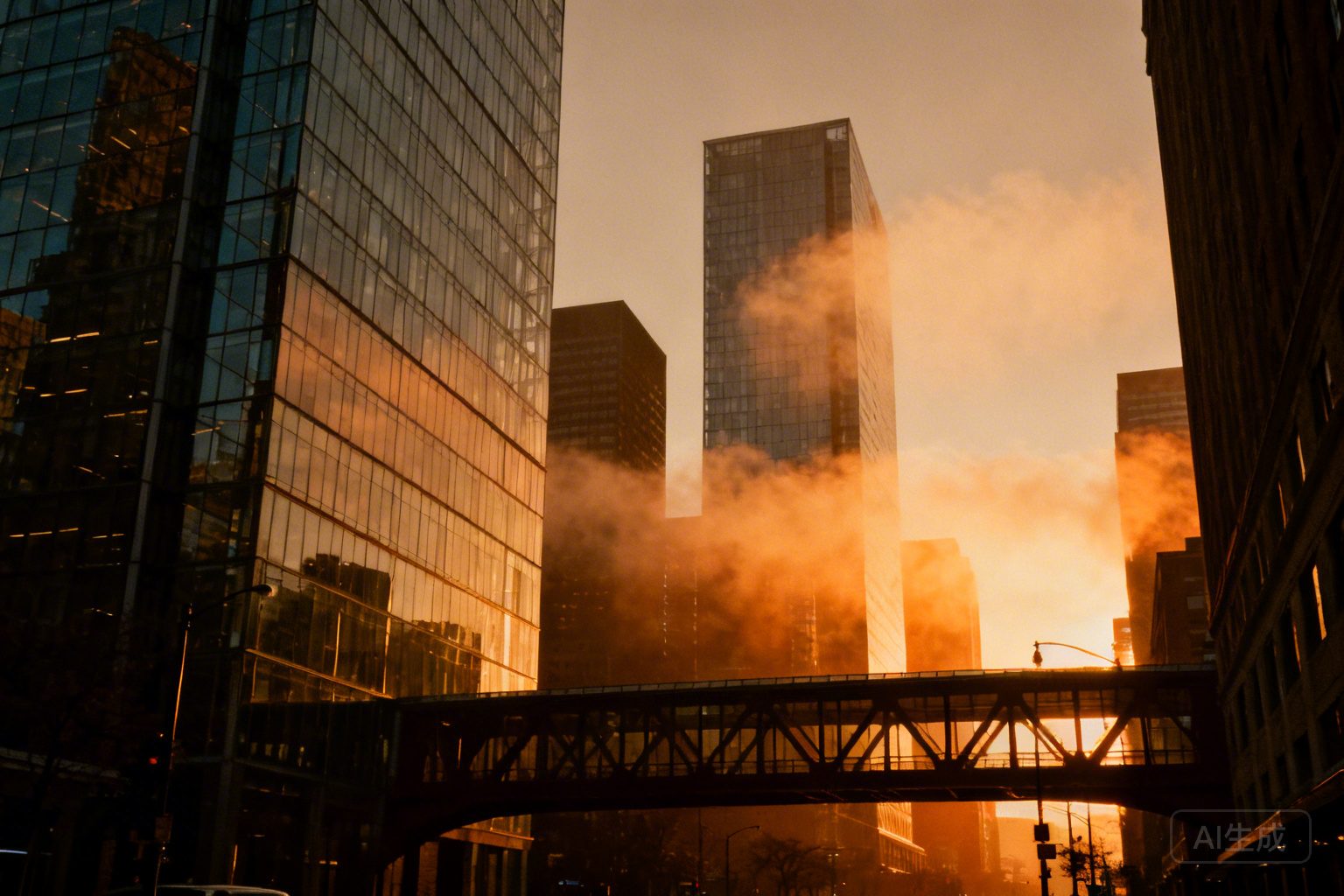
The air in Phnom Penh does not simply surround you; it claims you. At 6:15 AM, the humidity is a damp silk shroud, smelling of scorched jasmine, diesel exhaust, and the brackish, prehistoric exhales of the Tonle Sap. This is where the Mekong and the Tonle Sap meet—a liquid intersection where the water famously reverses its flow once a year, a geographical defiance that mirrors the city’s own stubborn refusal to remain broken. To understand this city, you must stand on Sisowath Quay before the sun turns the sky into a sheet of hammered brass.
The sidewalk is a theater of the mundane and the miraculous. There are the elderly women in floral pajamas—sampots worn with a casual elegance—performing synchronized aerobics to the tinny, distorted beat of a battery-powered radio. Their movements are fluid, circular, warding off the stiffness of age against a backdrop of colonial-era buildings with shutters the color of bruised plums. A few yards away, a saffron-robed monk walks with a silence so profound it seems to carve a vacuum in the noise. He does not look at the frantic office worker on a Honda Dream, who balances a briefcase on his lap while checking a smartphone wedged into his helmet. The monk’s feet are bare, callous-hardened, the color of the very dust he treads upon.
The checklist for your first hour: buy a fresh coconut from a vendor whose skin is a map of eighty Cambodian summers. Watch him swing a rusted machete with the nonchalance of a conductor’s baton. Sip. The water is cool, clear, and tastes vaguely of the earth. This is the first rule of the capital: hydration is a ritual, not a choice.
The Architecture of Ghosts
Phnom Penh is a city built in layers, like a palimpsest where the new ink is still wet and the old ink refuses to fade. You move from the riverfront toward the Royal Palace, where the yellow-tiled roofs pierce the smog like golden needles. Here, the architecture is a scream of opulence. The Silver Pagoda’s floor is paved with five thousand silver tiles, each weighing over a kilo, a cool metallic contrast to the sweltering heat outside. But look closer at the edges of the complex. You’ll see the peeling paint on a 100-year-old door, a shade of ochre that has weathered the Khmer Rouge, the Vietnamese occupation, and the current construction boom. The wood is pitted, scarred by humidity and history, yet the brass handle remains polished by a million passing hands.