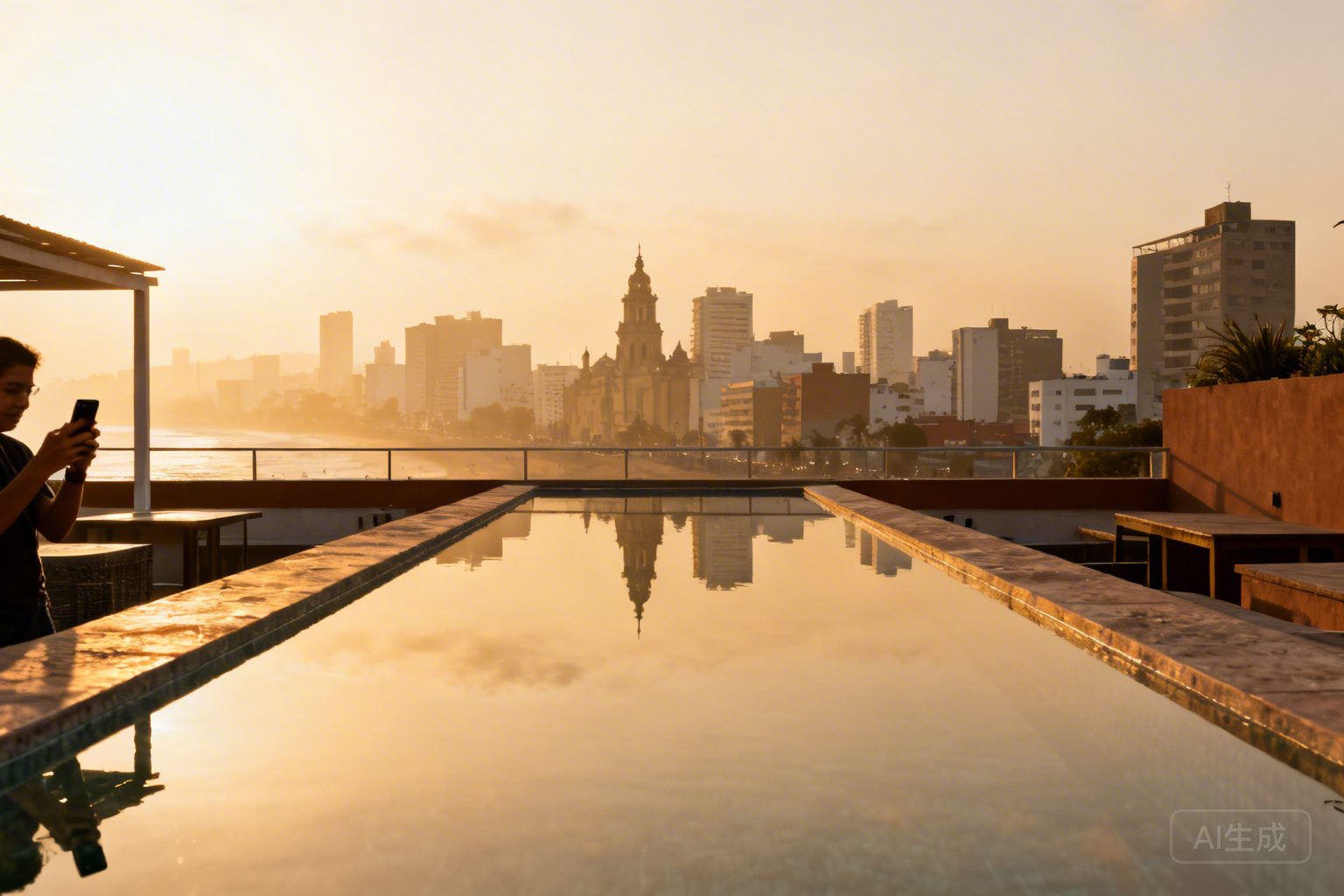
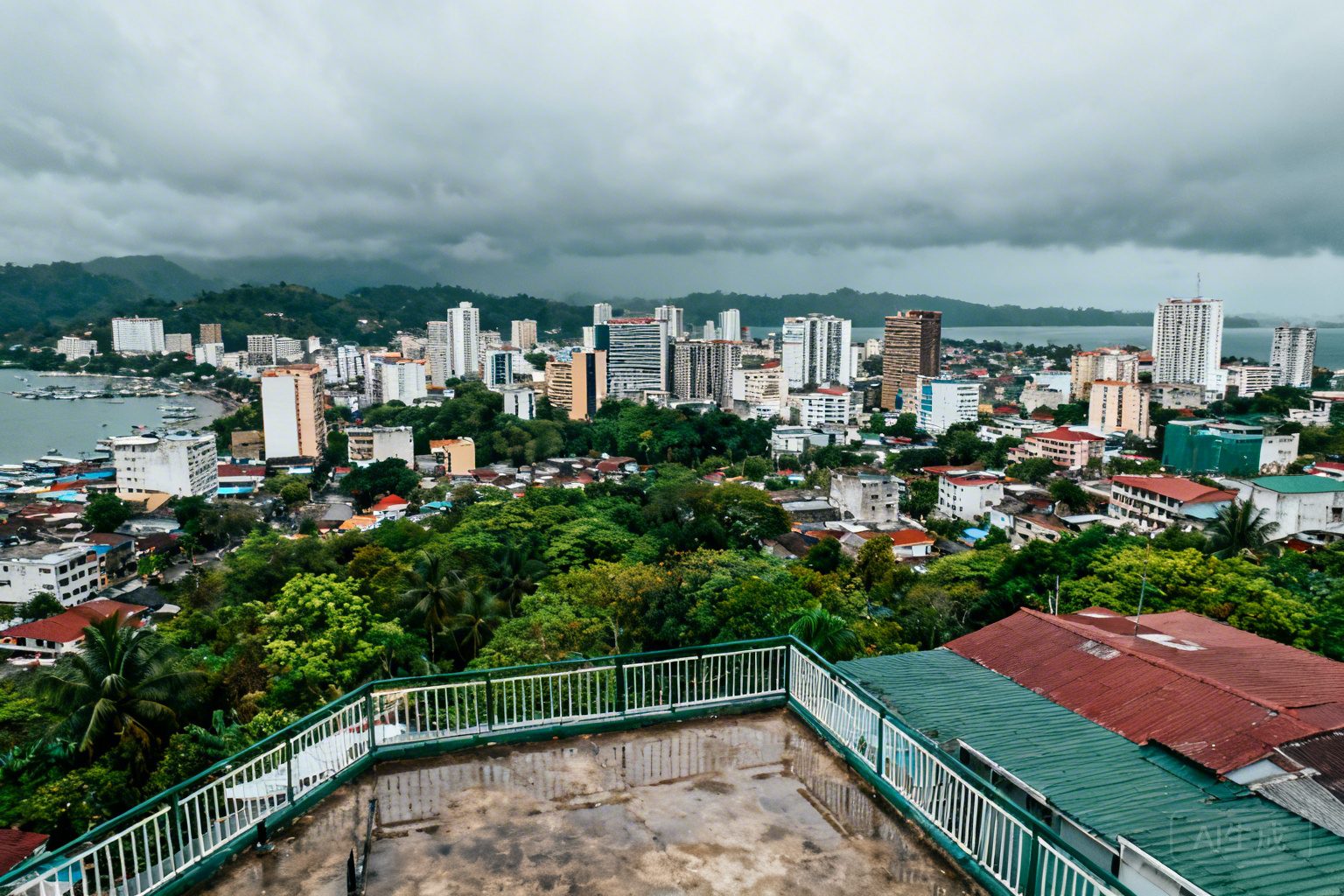
The Puerto Vallarta Travel Guide: A Complete Checklist for Your First Visit!
The Salt-Stained Threshold: An Initiation into the Banderas Bay
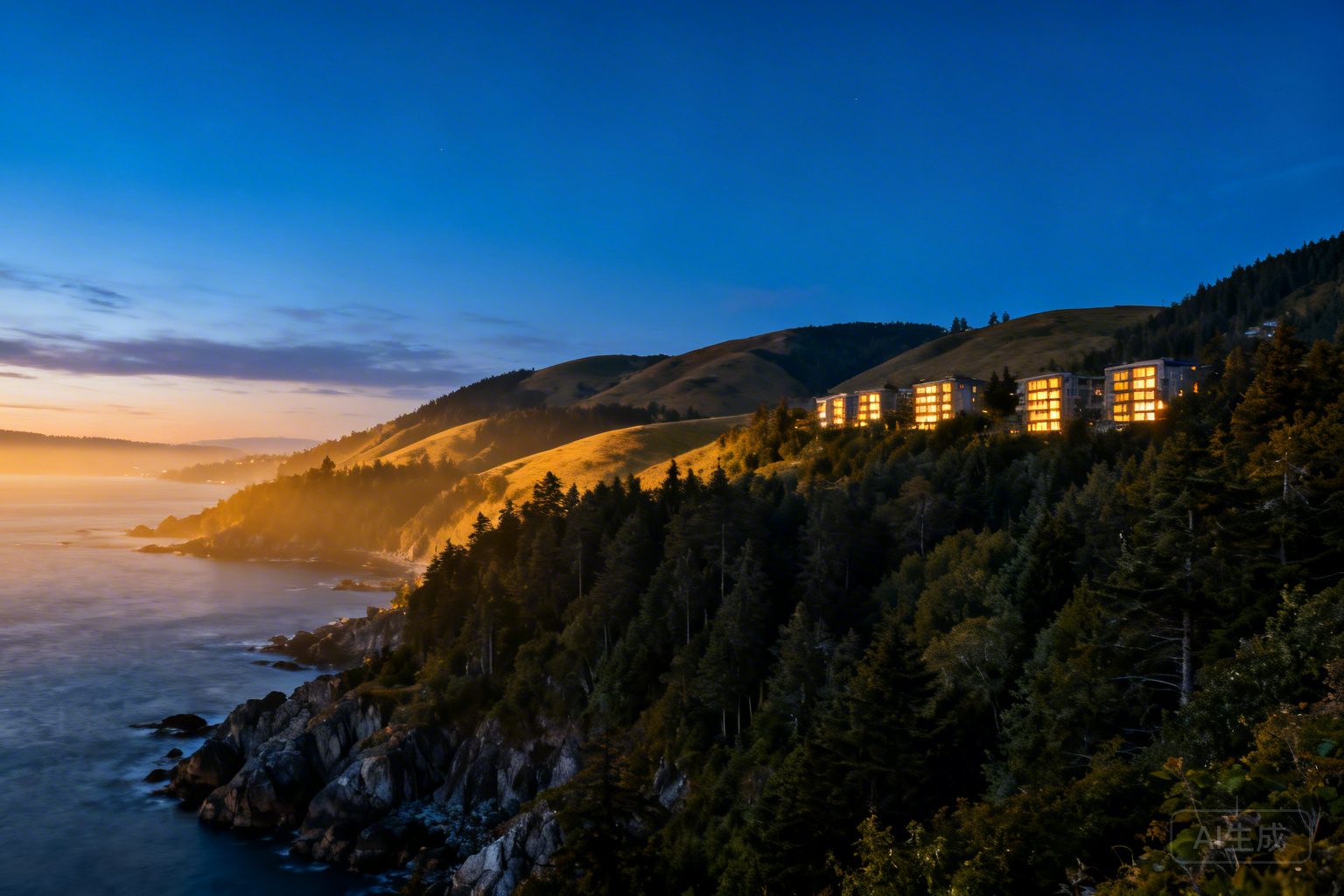
The humidity hits you first, not as a temperature, but as a physical weight—a warm, wet wool blanket draped over your shoulders the moment you step out of the pressurized sterility of Licenciado Gustavo Díaz Ordaz International Airport. It smells of scorched tarmac, bruised mangoes, and the distant, metallic tang of the Pacific. You aren’t just arriving in a resort town; you are being swallowed by a jungle that has begrudgingly allowed a city to exist within its lungs. To visit Puerto Vallarta for the first time is to engage in a slow-motion collision between the Sierra Madre mountains and a sea the color of a bruised sapphire.
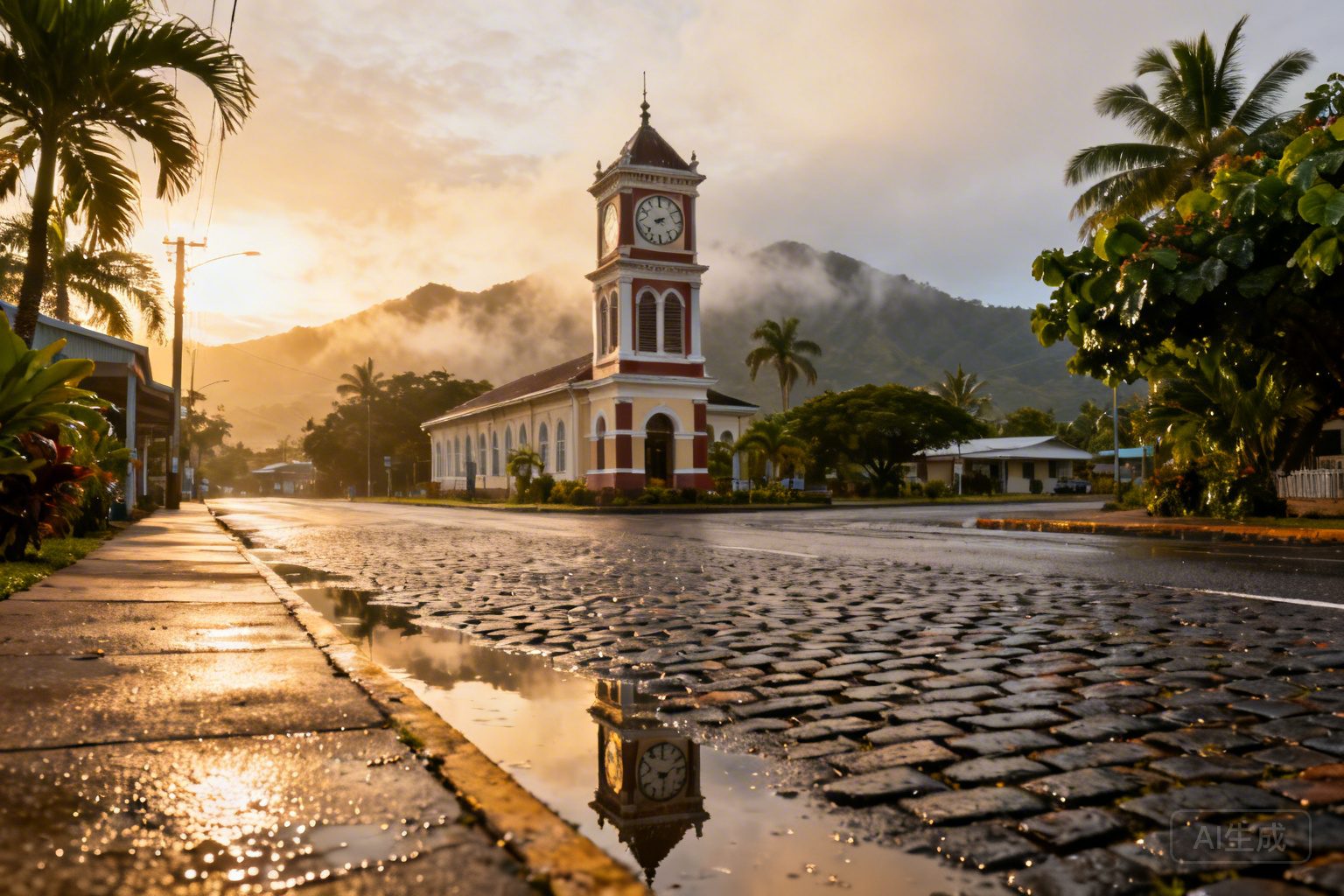
The taxi ride toward the Centro is a frantic ballet of rusted Volkswagens and polished Escalades. Look out the window and notice the texture of the transition. The glossy, glass-fronted monoliths of the Hotel Zone—where the air conditioning hums at a pitch that suggests a minor deity—slowly give way to the “Old Town” or the Romantic Zone. Here, the paint on the doors doesn’t just peel; it curls like dried parchment, revealing layers of ochre, cerulean, and oxblood applied by hands that have been dust for fifty years. The cobblestones, rounded by centuries of torrential summer rains and the heavy tread of burros, vibrate through the chassis of the car, a rhythmic percussion that tells your bones you have finally arrived.
Morning: The Symphony of the Malecón
At 7:00 AM, the Malecón is a different beast than the neon-soaked carnival it becomes at midnight. The wind at the corner of Morelos and Galeana is cool, carrying the scent of salt and the faint, yeasty aroma of fresh bolillos from a hidden bakery. You see him first: the brusque waiter at a seaside café, snapping a white linen cloth over a table with the rhythmic violence of a whip-cracker. He doesn’t look at the ocean. He looks at his watch. He is a man who measures his life in the evaporation of dew from glass surfaces.
Nearby, a silent monk—or perhaps just a man in a burlap robe seeking a specific kind of penance—walks barefoot along the bronze sculptures. He pauses at ‘The Boy on the Seahorse,’ his fingers tracing the cold metal, his eyes fixed on the horizon where the Sierra Madre silhouettes start to bleed into the morning haze. He represents the city’s quiet interior, the one that exists behind the tequila advertisements and the timeshare pitches.