The Thimphu Travel Guide: A Complete Checklist for Your First Visit!
The Thimphu Survival Manual: Living Like You Belong Here
You don’t come to Thimphu to “see the sights.” If you want the Buddha Dordenma or the Memorial Chorten, you can follow the groups in the white Coaster buses. You come here to disappear. You come here because the air at 2,300 meters is thin enough to make your lungs work for it, and the rhythm of the city—a strange, syncopated mix of ancient ritual and K-pop aesthetics—is something you can only catch if you sit still for a few weeks.
I’ve been based here for three months now. I’ve learned that the “checkpoints” aren’t just for your visa permits; they are the mental hurdles you cross as you realize Thimphu isn’t a museum. It’s a living, breathing organism that operates on “Bhutanese Time.” If you’re looking for a 1,500-word deep dive into the guts of this capital, skip the brochures. This is the ground-level truth.
The Boring Mechanics: Staying Productive and Clean
Before we get into the soul of the neighborhoods, let’s talk about the friction of daily life. If you’re a digital nomad, your first hurdle is connectivity. Don’t rely on hotel WiFi; it’s a lie told to tourists. Go straight to the TashiCell office near Norzin Lam. Get a local SIM and load up on “Data Plans.” Specifically, look for the “Midnight Data” if you’re a night owl working for Western time zones. For actual desk work, iBest Institute and Hub in the town center is the closest thing you’ll get to a co-working space, though most of us just haunt Ambient Cafe. The WiFi there is stable enough for a Zoom call, provided you buy enough Americanos to justify your four-hour stay.
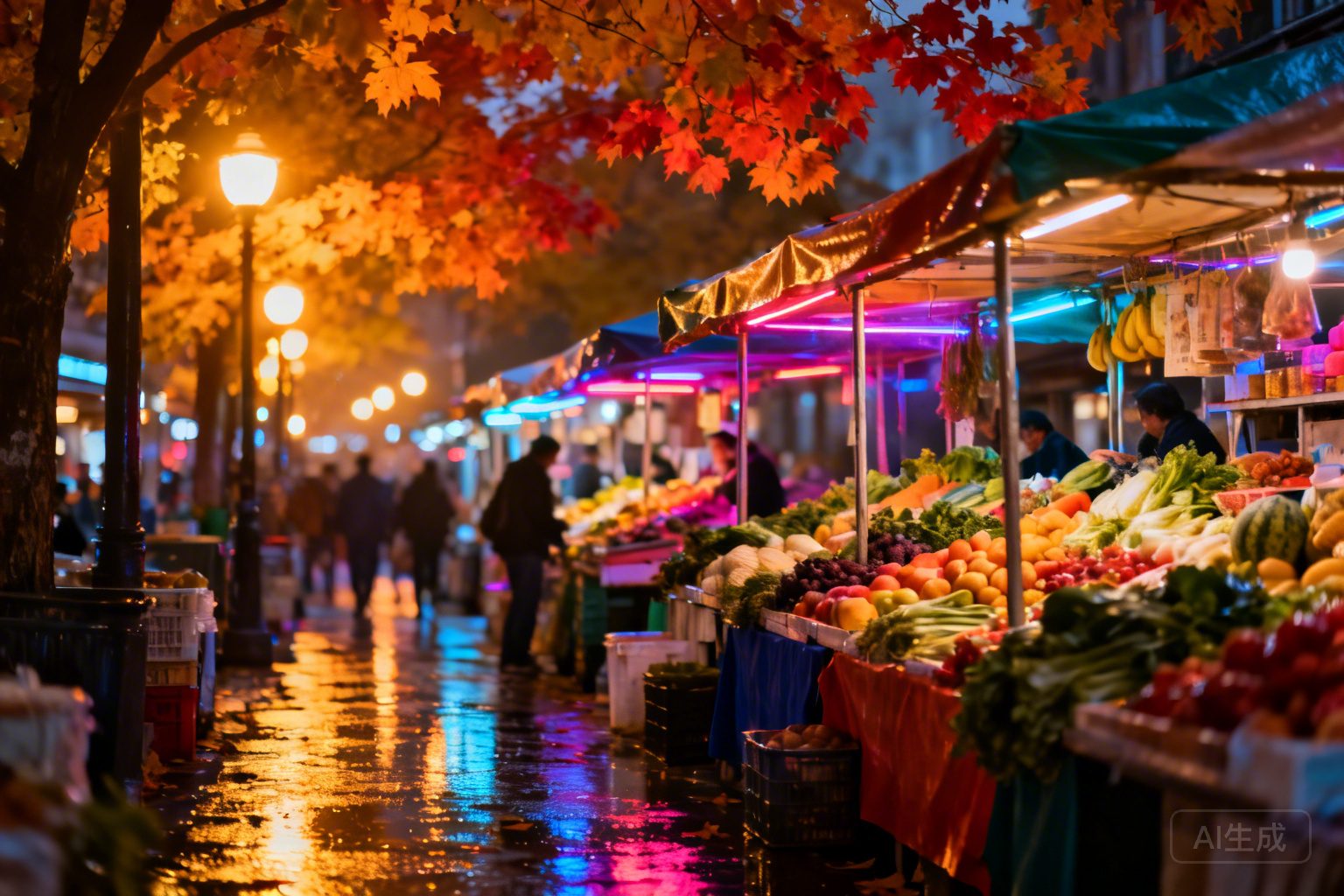
Laundry? There’s a tiny, nameless shop tucked behind the 8-Eleven (yes, that’s the name) in the middle of town. They don’t have fancy machines; it’s mostly industrial washers and a lot of manual labor, but they won’t shrink your merino wool. It costs about 150 Nu per kilo. For groceries, stop going to the tiny corner shops for everything. Hit 8-Eleven for imported stuff, but for regional produce—the real-deal red rice, dried chilies, and local honey—you go to the Centenary Farmers’ Market on the weekend. Pro tip: go on Friday morning before the crowds arrive. That’s when the high-altitude herbs are freshest.