The Ubud Travel Guide: A Complete Checklist for Your First Visit!
The Emerald Threshold: Awakening in the Central Heart
The humidity in Ubud does not merely hang in the air; it possesses a weight, a velvet gravity that pulls at your eyelids before the first light has even breached the volcanic ridges of Mount Agung. It is 5:30 AM. At this hour, the town is stripped of its neon yoga-wear and the exhaust fumes of five thousand scooters. Instead, there is the smell of canang sari—the daily offerings of marigolds, rice, and incense—mingling with the damp, fermented scent of the Campuhan River. The smoke from the incense sticks spirals upward, thin and blue, tracing invisible maps against the limestone walls of the family compounds.
To walk down Jalan Raya Ubud at dawn is to witness a theater of transitions. The stones are slick with dew, reflecting the dim glow of lanterns that haven’t yet been extinguished. You see him first: the Balinese elder, his udeng (headcloth) tied with surgical precision, sweeping the sidewalk with a broom made of palm fronds. The sound is rhythmic—shhh-shhh, shhh-shhh—a percussion that predates the arrival of the first backpacker by centuries. He does not look up. He is part of the architecture, a living gargoyle of habit.
The paint on the temple doors near the palace is peeling in flakes the color of dried blood and gold leaf. It is a specific kind of decay, beautiful and intentional, reminding the passerby that in Bali, destruction is merely the precursor to creation. This is your first entry on the checklist: surrender to the pace. Do not fight the heat. Do not fight the slow, methodical movement of a town that breathes according to a lunar calendar, not a digital one.
The Ritual of the Morning Market
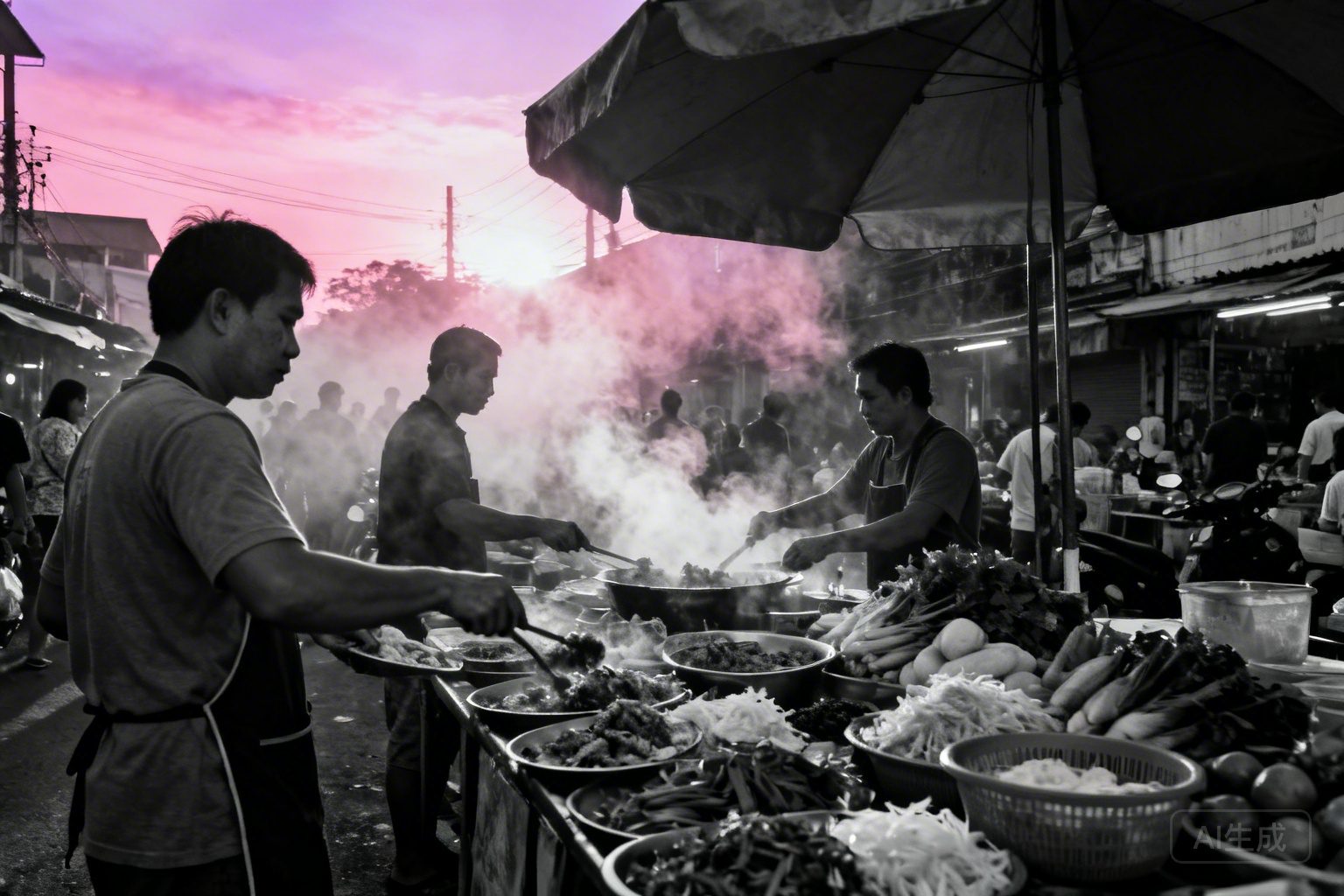
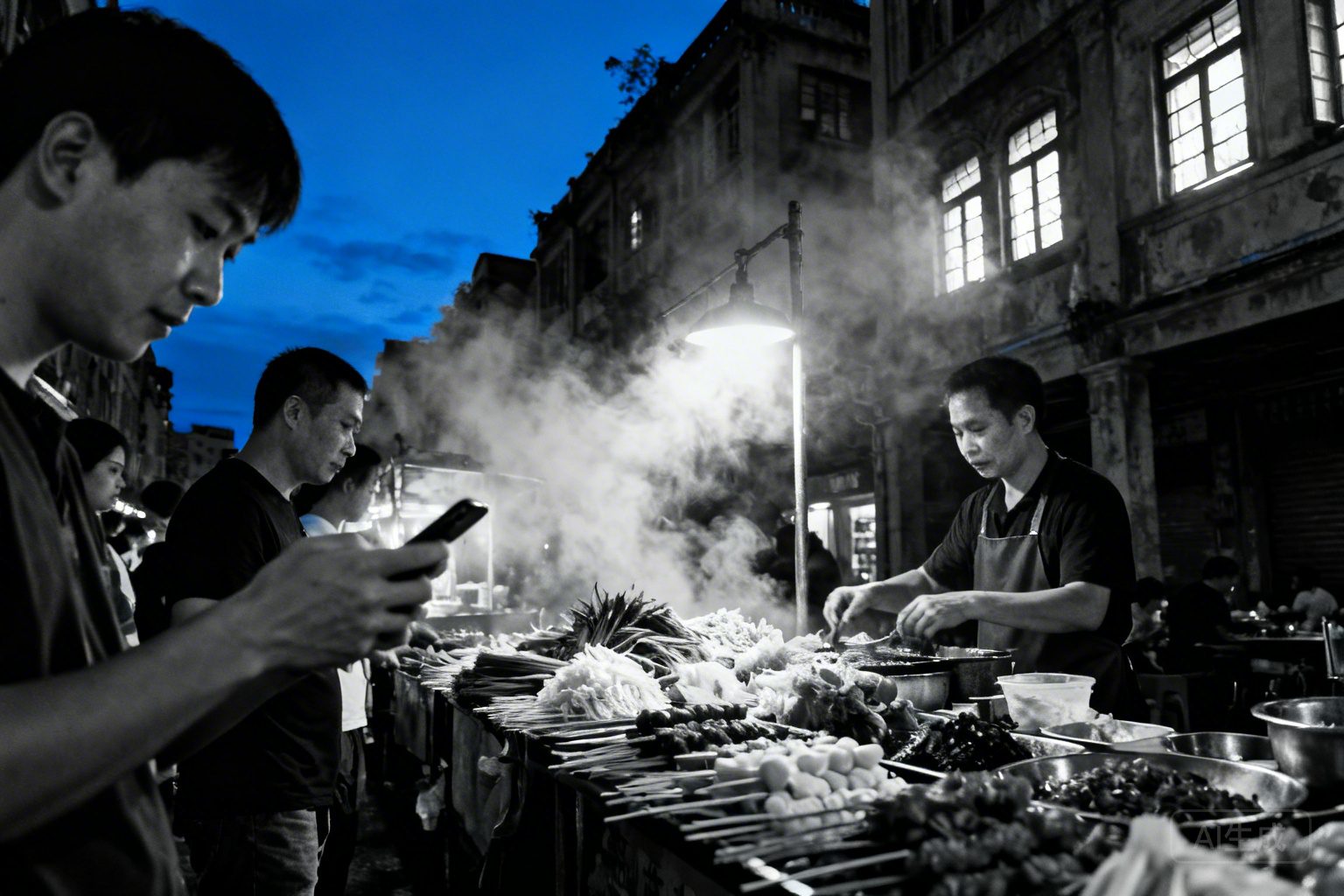
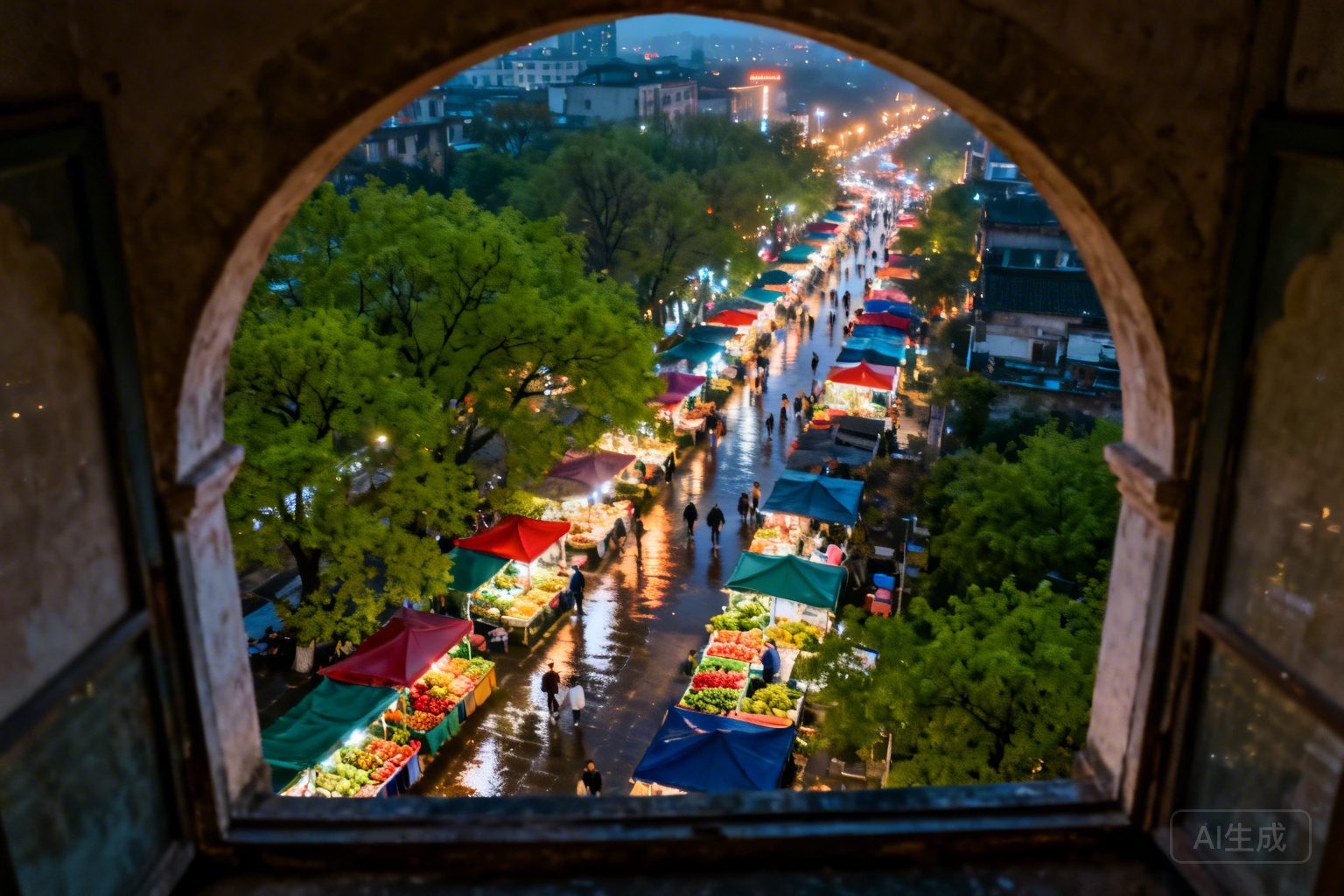
By 7:00 AM, the intersection near the Puri Saren Agung transforms. The quiet is shattered by the arrival of the vegetable trucks. This is the Pasar Seni, but before it sells mass-produced sarongs to Australians, it is a visceral, bloody, and fragrant produce hub. The air here vibrates with a different pitch—the shrill, staccato bargaining of the ibu-ibu (mothers).