The Ultimate Family Adventure: 12 Kid-Friendly Spots in Amalfi!
The Vertical Labyrinth: A Love Letter to the Amalfi Coast
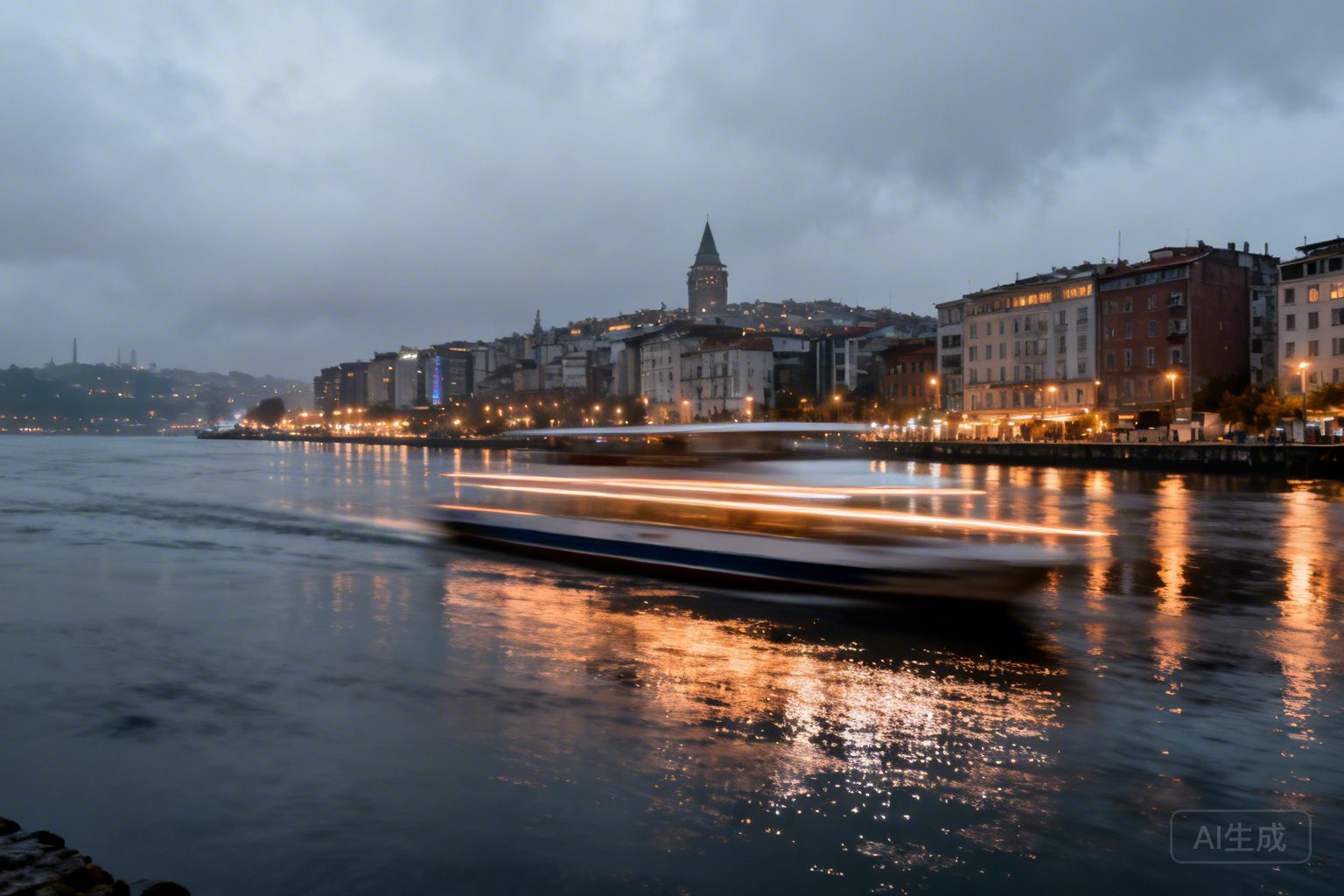
The lemon groves of Amalfi do not merely grow; they cling. They are gravity-defying defiance in botanical form, their heavy, sun-bloated fruits hanging like golden lanterns against a vertical backdrop of limestone and sea-spray. To arrive here with children in tow is to surrender to the beautiful absurdity of a world built on a tilt. We pulled into the Piazza Flavio Gioia as the sun began its slow, honeyed descent toward the Tyrrhenian, the light catching the salt-crusted windshield of our ferry. The air was a thick tapestry of brine, scorched exhaust, and the hyper-sweet perfume of overripe jasmine. My daughter, seven years old and possessed of a traveler’s restless spirit, looked up at the sheer wall of pastel-washed houses and whispered a single word: “How?”
It is the question that defines the coast. How does the paint stay on the walls? How does the waiter carry three trays of scialatielli up forty-four stone steps without breaking a sweat? We began our journey not with a map, but with a commitment to the climb.
1. The Piazza del Duomo: A Theater of the Everyday
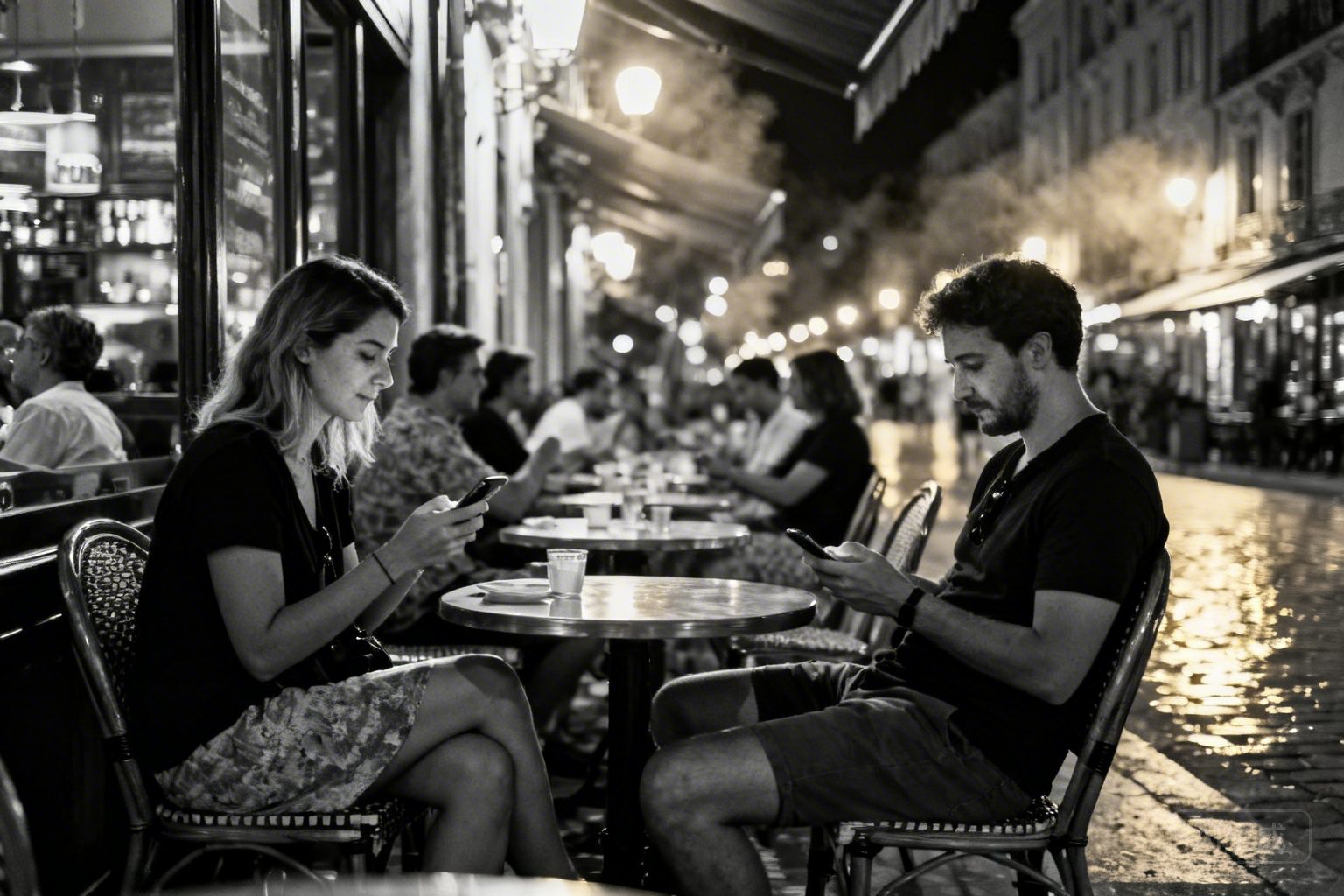
The heart of Amalfi is a limestone stage where the drama of the everyday plays out in high definition. We sat at a corner table at a café whose awning was the exact color of a bruised plum. To our left, a brusque waiter—his white shirt starched to the stiffness of cardboard, his mustache a silver sliver of Roman authority—snapped a linen napkin with a sound like a pistol shot. He didn’t ask for our order; he simply placed four glasses of ice-cold granita di limone on the table. The ice was shaved so fine it felt like velvet on the tongue, a crystalline shock that cut through the humid afternoon.
Before us, the Duomo di Sant’Andrea rose like a Byzantine fever dream. Its facade, a dizzying mosaic of gold and shadow, seemed to pulse as the light changed. Children were everywhere—not hushed or sequestered, but woven into the fabric of the square. They kicked tattered soccer balls against the thousand-year-old stone, their shouts echoing the cries of the vendors selling paper cones of fried paranza. We watched a frantic office worker in a slim-cut navy suit, balancing a briefcase in one hand and a melting gelato in the other, sprinting toward the bus stop while yelling into a phone in a dialect that sounded like stones rattling in a tin can. This is the Amalfi rhythm: elegance perpetually chased by chaos.