The Ultimate Family Adventure: 12 Kid-Friendly Spots in Barbados!
The Liquid Gold of the Caribbean: A Bajan Odyssey
The humidity in Bridgetown doesn’t just sit on your skin; it claims you, a warm, invisible velvet that smells faintly of diesel, roasted breadfruit, and the briny exhale of the Careenage. I stood on the edge of Constitution River, watching a mahogany-skinned man in a tattered, sun-bleached cricket cap coil a nylon rope with the rhythmic precision of a watchmaker. His hands were mapped with the geography of forty years at sea—calloused, salt-bitten, and steady. He didn’t look up as we passed, my two children trailing behind me like ducklings in neon-colored UV shirts, their eyes wide and flickering with the sensory overload of a capital city that refuses to be quiet.
Barbados is not a postcard. It is a living, breathing, sweating contradiction, a limestone rock thrust out of the Atlantic that wears British colonial starchiness like a borrowed suit over a body made of West African soul and coral dust. To bring a family here is not merely to vacation; it is to submerge them in a kaleidoscope of sensory extremes. We began our journey where the island began its modern life, in the historic heart of the city.
1. The Careenage and the Ghost of Nelson
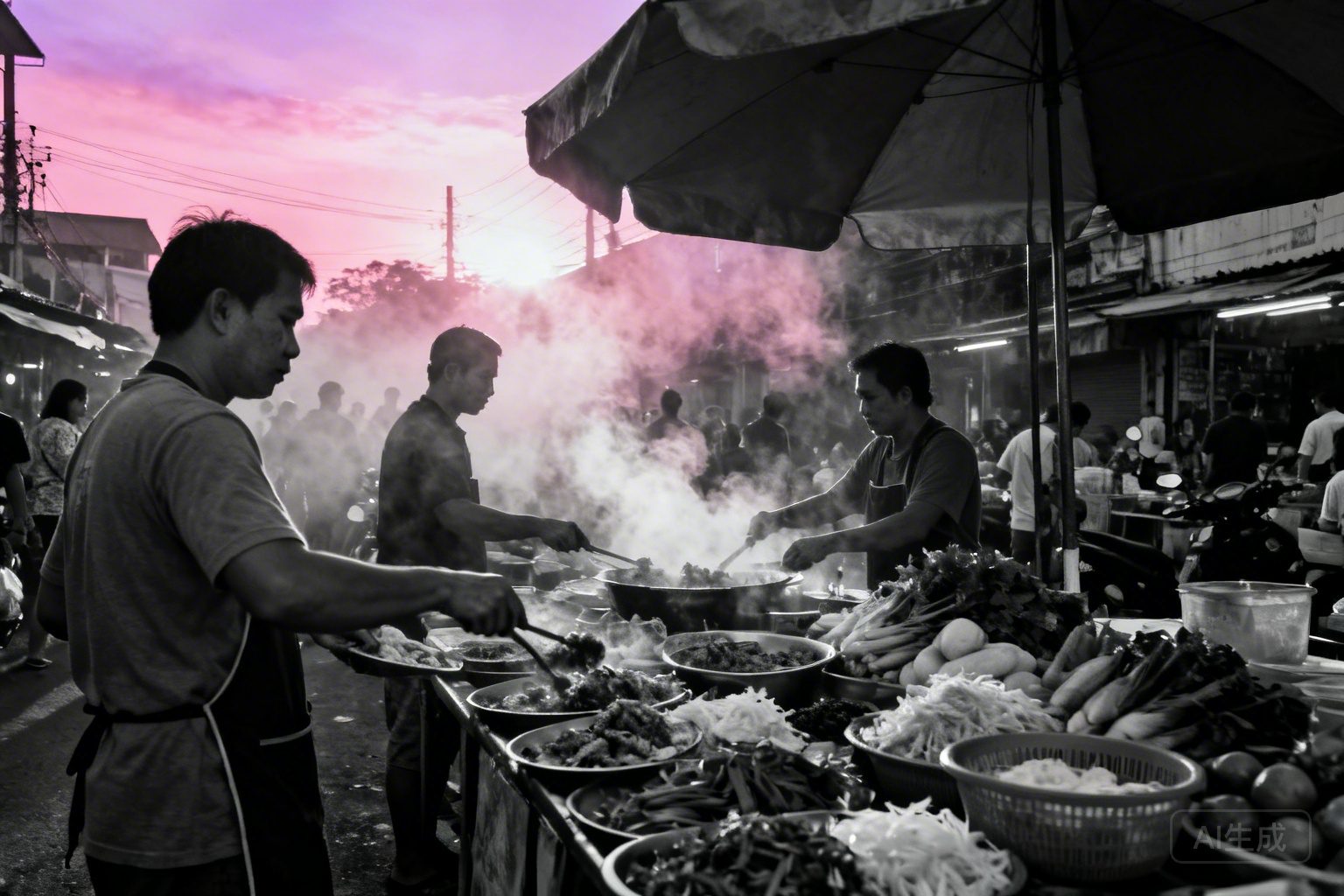
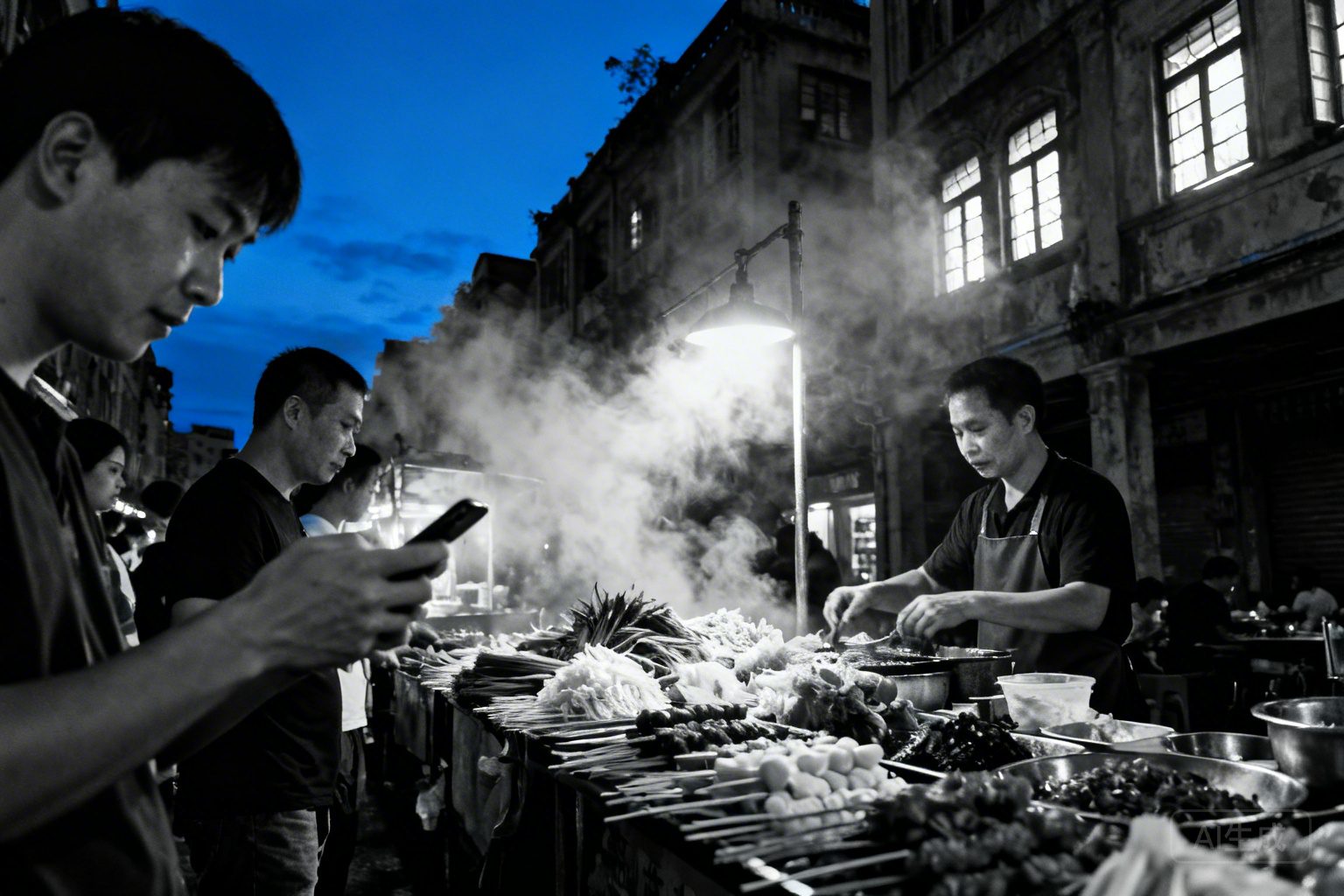
The paint on the old warehouses lining the waterfront is peeling in tectonic plates of ochre and turquoise, revealing layers of history like the rings of a tree. Here, the air carries a specific pitch—the high, melodic warble of street vendors selling soursop and cold Coconuts, punctuated by the guttural roar of a yellow-and-blue ZR van screaming toward the bus terminal. A frantic office worker, his crisp white shirt already succumbing to the heat, darted past us, clutching a briefcase as if it contained the secret to the island’s economy, his polished shoes clicking a frantic staccato against the ancient, uneven stone.
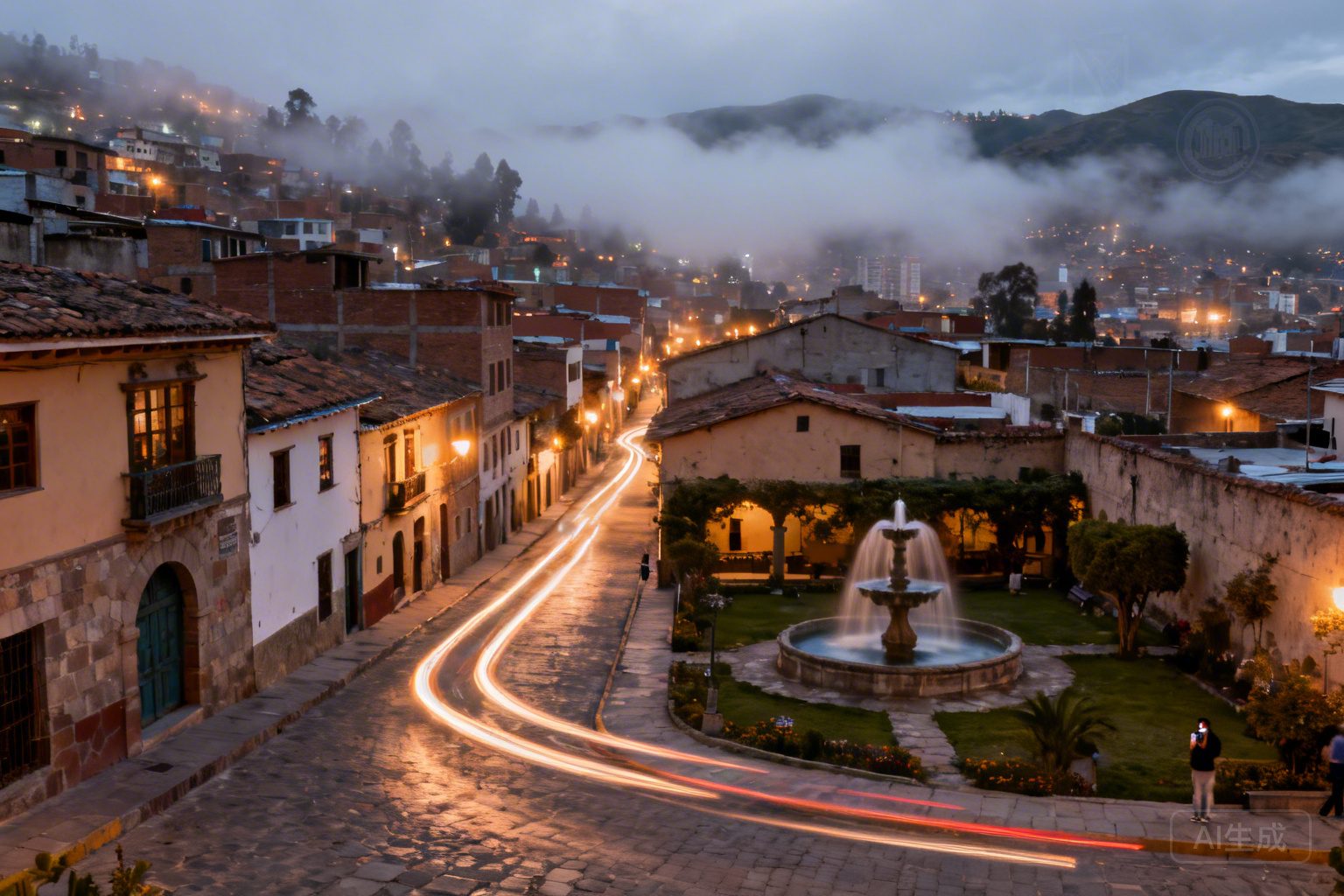
We stood beneath the bronze gaze of Lord Nelson in National Heroes Square. The children didn’t care for the naval history, but they were mesmerized by the way the sunlight hit the fountain’s spray, creating tiny, fleeting rainbows that vanished the moment you tried to touch them. The water felt tepid, like tea left out on a porch. We watched a silent monk—or perhaps just a man who had found peace in the chaos—sitting on a stone bench, his eyes closed, his face turned toward the sun as if photosynthesis were his only requirement for survival.