The Ultimate Family Adventure: 12 Kid-Friendly Spots in Lucerne!
The Sapphire Heart of the Alps: A Lucerne Odyssey
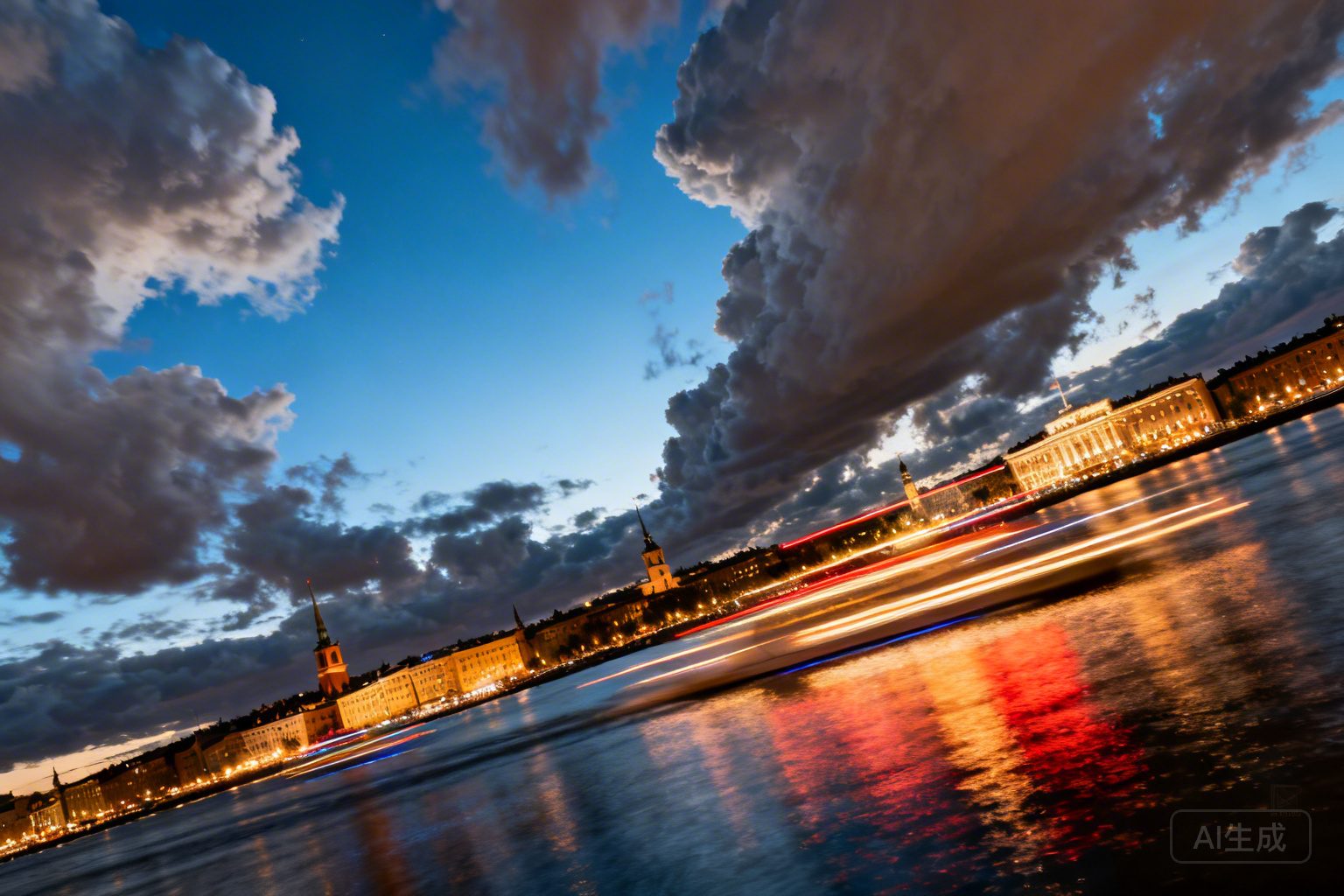
The dawn over Lake Lucerne does not arrive with a shout, but with a whisper of bruised violets and tarnished silver. At 6:15 AM, the air on the balcony of the Bürgenstock Resort is thin enough to taste like iron, a cold, metallic sharpness that needles the lungs and reminds you that you are suspended several thousand feet above the cradle of Swiss democracy. Below, the Vierwaldstättersee—the Lake of the Four Forest Cantons—is a mirror of liquid obsidian, unruffled by the early morning ferries that will soon carve white scars across its surface. This is the stage. The children are still asleep, cocoons of down feathers and dreams of chocolate, unaware that we are about to dismantle the myth that Switzerland is merely a bank vault with a view. It is, in fact, the world’s most sophisticated playground.
To travel with children in Central Switzerland is to engage in a delicate negotiation between the medieval and the modern. It is a place where a thousand-year-old legend involving a dragon can be accessed via a cogwheel train that runs with the terrifying precision of a surgical laser. We begin at the water’s edge, where the scent of roasting chestnuts—acrid, sweet, and faintly smoky—drifts from the stalls near the Seebrücke.
1. The Chapel Bridge (Kapellbrücke) and the Geometry of History
We start where the city began. The Kapellbrücke isn’t just a bridge; it’s a creaking, wooden spine connecting the old soul of Lucerne to its bustling limbs. Walking across it, the children’s sneakers make a rhythmic *thwack-thwack* against the timber planks, some of which bear the scorched scars of the 1993 fire. I run my fingers along the railing; the wood is smooth, polished by the palms of a million tourists, yet beneath the lacquer, you can feel the grain, the ridges of a pine tree that grew while the Habsburgs were still a minor annoyance.
Above us, the triangular pediment paintings tell stories of plague, piety, and decapitation. My youngest points to a skeletal figure in a 17th-century panel—a *Danse Macabre* for the toddler set. A brusque waiter from the nearby Rathaus Brauerei hurries past us, his white apron stiff with starch, his face a roadmap of broken capillaries and Swiss stoicism. He doesn’t look at the mountains. Why would he? They are always there, looming like silent creditors.