The Ultimate Family Adventure: 12 Kid-Friendly Spots in Zanzibar!
The Spice-Scented Labyrinth: A Family Odyssey through Zanzibar
The heat in Stone Town does not merely descend; it settles like a damp, velvet shroud, thick with the scent of cloves and the faint, briny decay of the Indian Ocean. We arrived at the ferry terminal in a chaotic swirl of diesel fumes and the sharp, rhythmic clatter of handcarts. My seven-year-old gripped my hand, his palm a sticky testament to the mango slices he’d devoured on the boat from Dar es Salaam, while my eldest stared, transfixed, at the peeling turquoise paint of a hundred-year-old customs shed. This is not the sanitized Africa of glossy brochures. This is Zanzibar—a fractured, glittering mosaic of Omani sultanates, British colonial shadows, and the vibrant, pulsing heart of the Swahili Coast.
To travel here with children is to abandon the illusion of control. You do not navigate Stone Town; you submit to it. The alleys are narrow enough to touch both walls simultaneously, the coral rag stone rough against the skin, pitted by a century of salt spray and monsoon rains. We began our journey at the Forodhani Gardens as the sun dipped below the horizon, turning the sky into a bruised palette of violet and gold. The air cooled by a fraction of a degree, replaced by the smell of charcoal and sizzling calamari.
1. The Midnight Feast of Forodhani
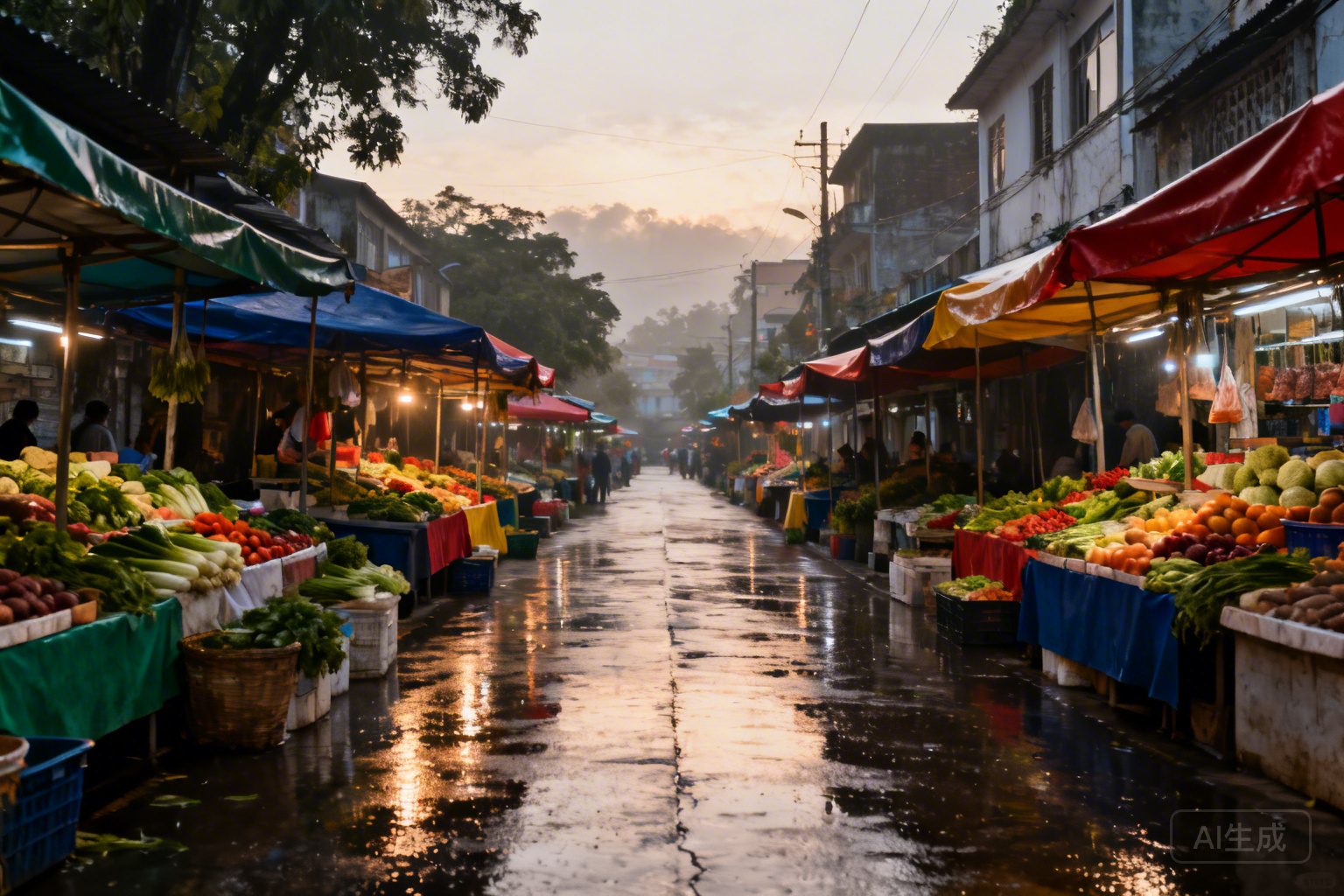
The night market is a sensory ambush. A vendor with skin the color of polished mahogany and a chef’s hat tilted at a rakish angle beckoned us toward his stall. He moved with a frantic, balletic grace, flipping “Zanzibar pizzas”—thin dough stuffed with minced meat, egg, and laughing cow cheese—onto a blackened griddle. The “brusque waiter” archetype exists here in the form of the sugarcane juice pressers; men with forearms like knotted teak who feed stalks into cast-iron grinders without looking up, their eyes fixed on some distant point on the horizon.
We sat on the sea wall, legs dangling over the dark water. My daughter bit into a skewer of grilled lobster, her face illuminated by the flickering kerosene lamps of the neighboring stalls. Around us, the local “flaneurs”—young men in crisp white kanzus and elders with silver-threaded caps—conversed in the melodic, rising and falling tones of Kiswahili. It is the perfect introduction for a child: a place where the chaos is edible and the darkness is friendly.