The Ultimate Family Adventure: 12 Kid-Friendly Spots in Zurich!
The Gilded Clockwork: A Deep Descent into Zurich’s Child-Hearted Core
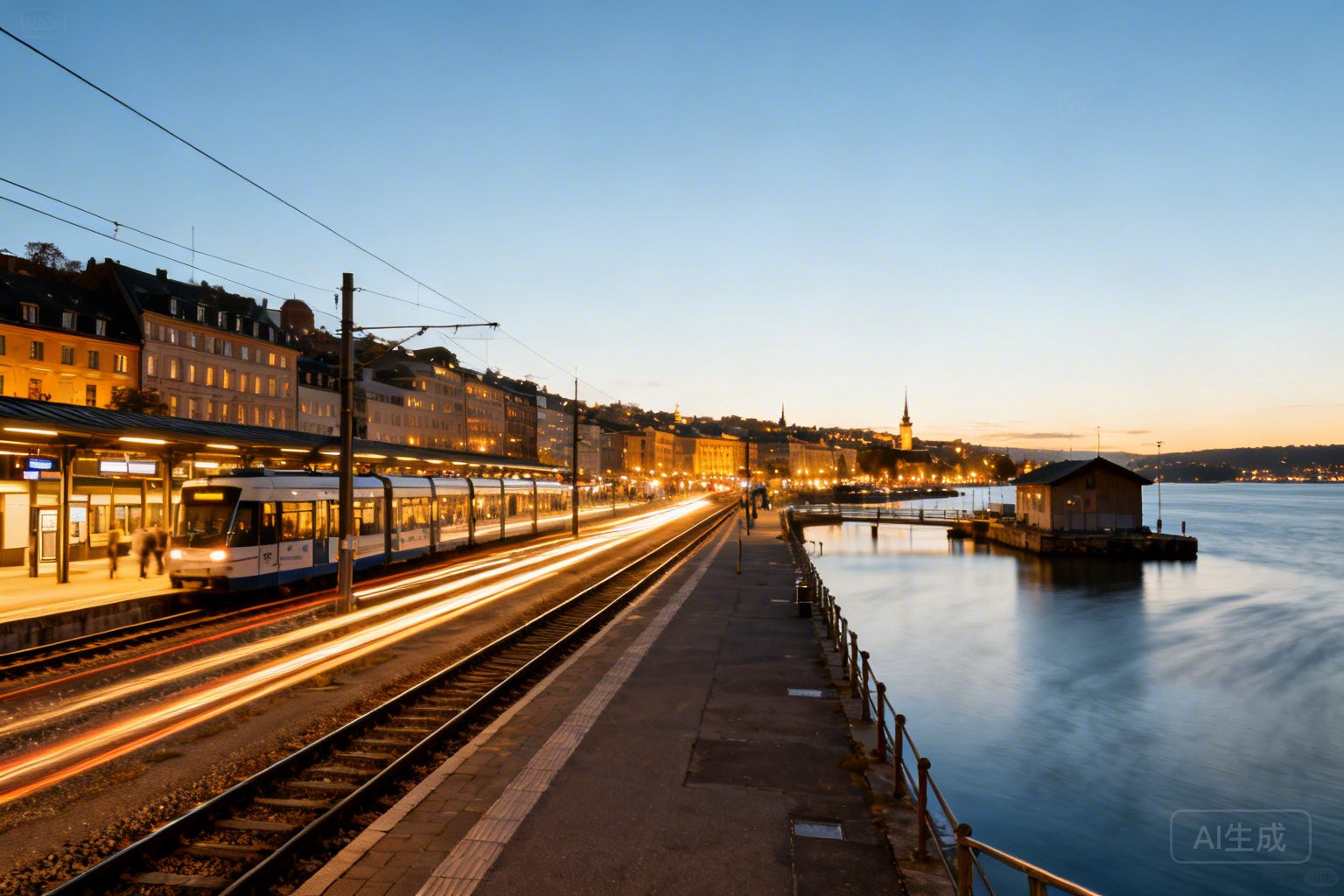
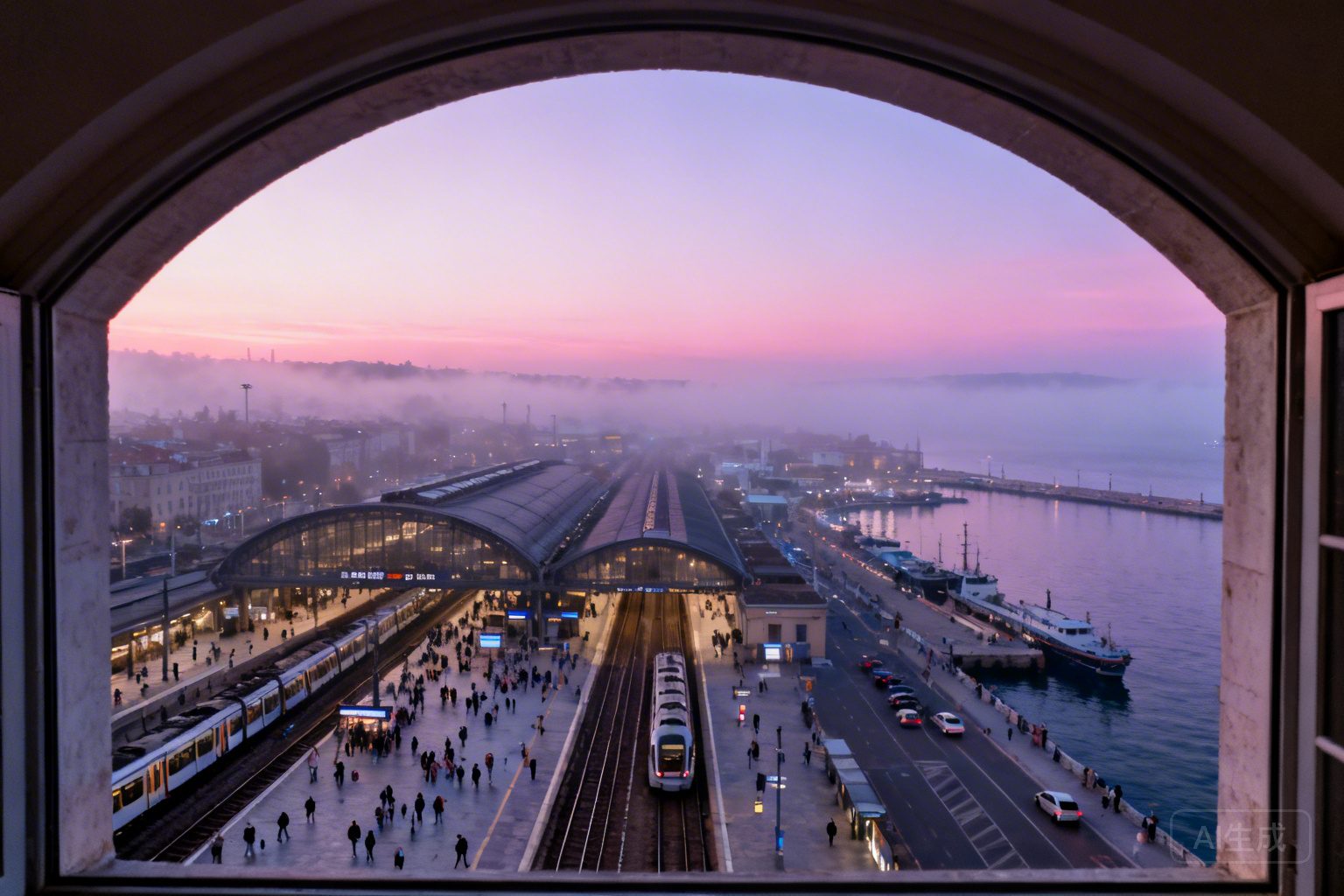
The dawn over Lake Zurich is not a sunrise; it is a clinical awakening of light, a cold blue razor cutting through the mist that clings to the Glarus Alps. It smells of wet stone and the faint, metallic tang of tram tracks warming under the friction of the 5:30 AM commute. To the uninitiated, Zurich is a vault—a somber, limestone-heavy fortress of private banking and Protestant austerity. But for those pulling a toddler by the hand or navigating a stroller over cobbles that have been polished by five centuries of leather soles, the city reveals itself as a meticulously crafted playground, a clockwork orange of hidden courtyards and alpine secrets.
We begin at the Hauptbahnhof. It is a cathedral of transit. The air here is thick with the scent of butter-heavy pretzels from Brezelkönig and the high-pitched squeal of the S-Bahn braking on steel. I watch a businessman in a charcoal suit—his silk tie so crisp it could draw blood—frantically check his Patek Philippe while his three-year-old daughter, dressed in a primary-red raincoat, attempts to lick the base of a sandstone pillar. This is the Zurich duality: the rigid adherence to the schedule versus the primal urge of a child to experience the texture of the world. Here, the first stop is not a museum, but the space itself.
1. The Great Hall and the Guardian Angel
High above the commuters floats Niki de Saint Phalle’s L’Ange Protecteur. She is a bulbous, polyester-resin deity, painted in hallucinogenic swirls of cobalt, lemon, and magenta. The children look up, necks craned, eyes widening at the sheer absurdity of a flying, multicolored giant in a room otherwise dedicated to the gray business of arrival. It is a reminder that in Zurich, whimsy is often sanctioned, provided it is suspended exactly where it belongs. We linger under her wings, the floor vibrating with the subterranean hum of a hundred departing trains.
We step out onto Bahnhofstrasse. The wind at the corner of Pestalozzianlage is sharp, tasting of glacier melt and expensive perfume. It catches the hem of a passing socialite’s trench coat—she is a reed-thin woman with skin the color of expensive parchment—who ignores the screaming child in the pram next to her with a practiced, glacial indifference.