The Ultimate List: 20 Unmissable Things to Do in Oslo This Year!
The Cobalt Threshold: Navigating the Norse Renaissance
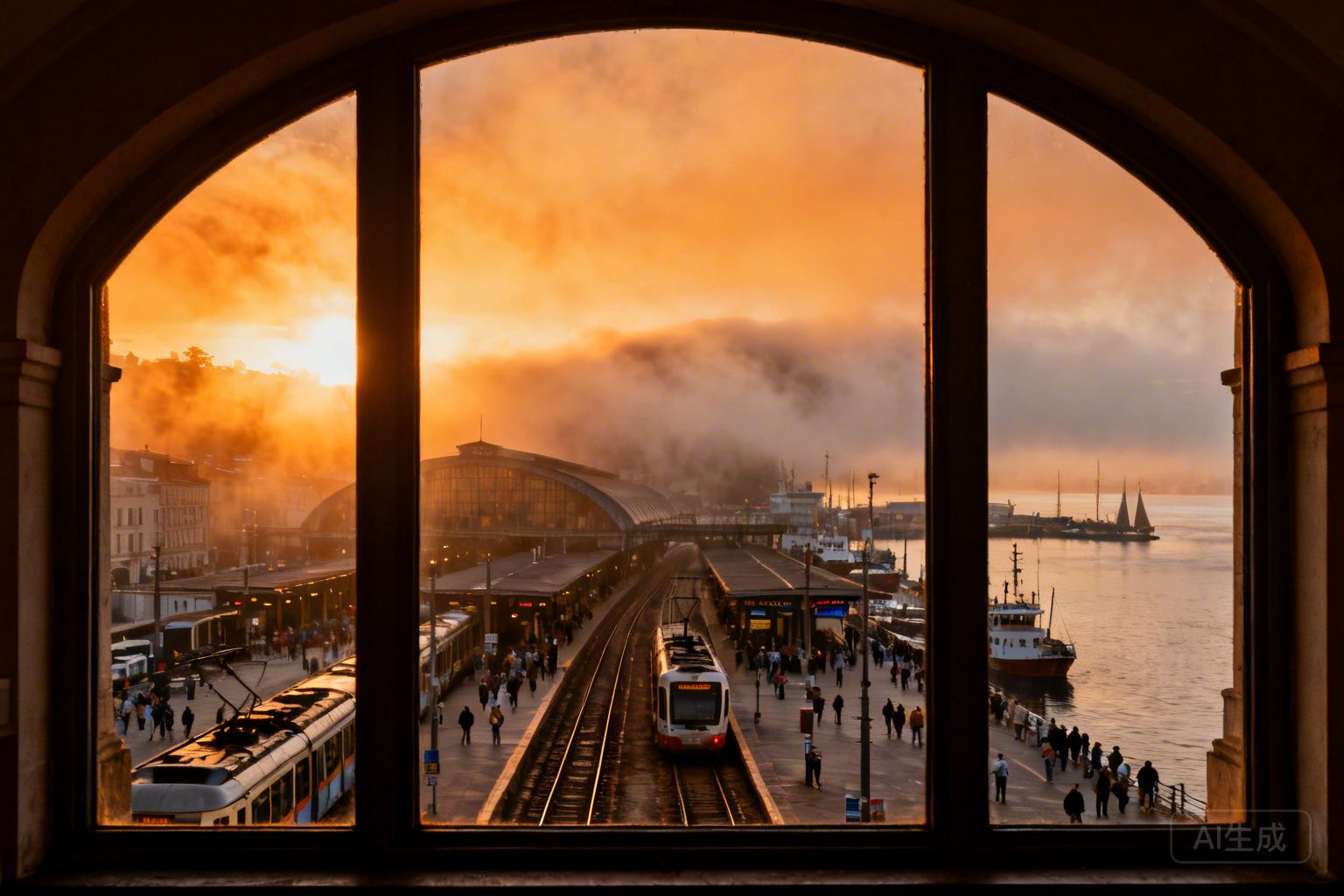
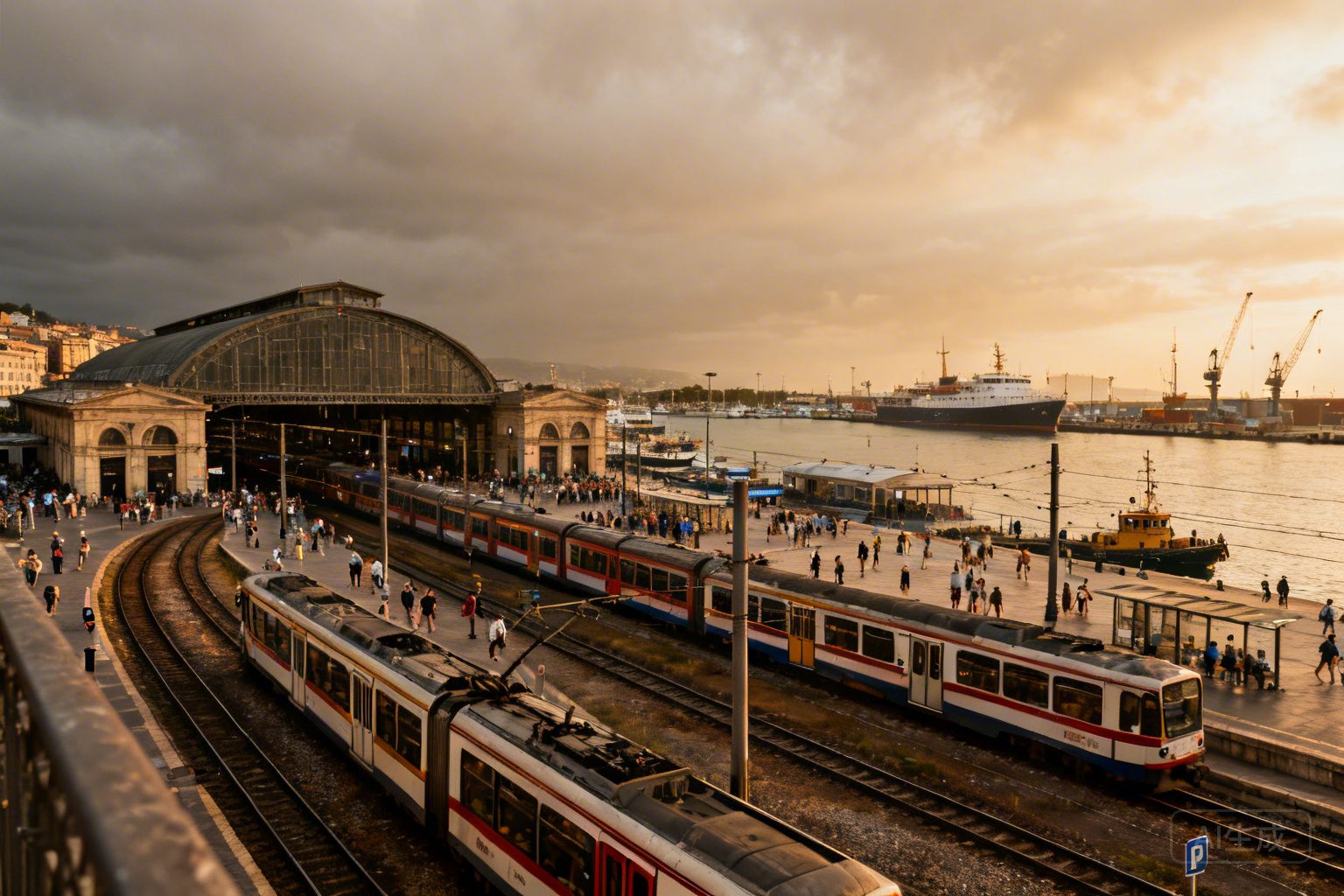
The light in Oslo does not simply shine; it interrogates. At 10:00 AM on a Tuesday in late May, the sun bounces off the fractured glass facets of the Munch Museum with a predatory brilliance, turning the fjord into a sheet of hammered silver. There is a specific, bracing chill that clings to the shadows here—a ghost of the Viking winter that refuses to vacate, even as the locals shed their heavy wool for the crisp linen of a premature summer. To arrive in Oslo today is to witness a city in the middle of a frantic, elegant identity crisis, shedding its skin as a sleepy backwater to emerge as the hyper-designed, caffeinated heartbeat of the North.
I stand on the edge of Bjørvika, where the salt air smells faintly of diesel and expensive espresso. To my left, a frantic office worker—let’s call him Henrik—adjusts his bone-conduction headphones with a manicured thumb. He is the archetype of the New Oslo: dressed in a charcoal suit of such fine merino that it looks liquid, his face a mask of calculated efficiency as he navigates a fleet of lime-green electric scooters. He represents the “Tiger City’s” relentless forward momentum. But look closer, past the steel and the ambition, and you find the cracks where the real soul of the city seeps through. This is not a list for the casual tourist; this is an anatomy of a metamorphosis.
1. The Operahuset Ascent
The Oslo Opera House is not a building; it is a glacier petrified in white Carrara marble. To walk up its sloping roof is to engage in a structural hallucination. Underfoot, the stone feels textured, almost like dried bone, etched with subtle ridges to prevent the unwary from sliding into the icy embrace of the Oslofjord. From the summit, the city reveals its geometry—a sprawl of cranes and seventeenth-century brickwork. It is the only place in the world where you can stand on the roof of a world-class cultural institution and watch a teenager in a faded Metallica hoodie eat a lukewarm hot dog with total nonchalance.
2. The Scream’s New Sanctuary
The new Munch Museum, a towering, leant-over monolith, houses the anxieties of a nation. Inside, the air is climate-controlled to a degree of eerie stillness. When you finally stand before *The Scream*, the texture of the cardboard—the raw, brown vulnerability of it—is more shocking than the painted figure itself. You see the faint, pencil-thin water stains from a century ago. It is a portrait of a panic attack preserved in amber. The security guard nearby, a woman with silver hair pulled into a knot so tight it looks painful, watches the crowd with a weary, statuesque patience. She has seen ten thousand people mimic the face; she remains unmoved.