The Ultimate List: 20 Unmissable Things to Do in Phnom Penh This Year!
The Gilded Fever Dream: A Deep Descent Into the Pearl of Asia
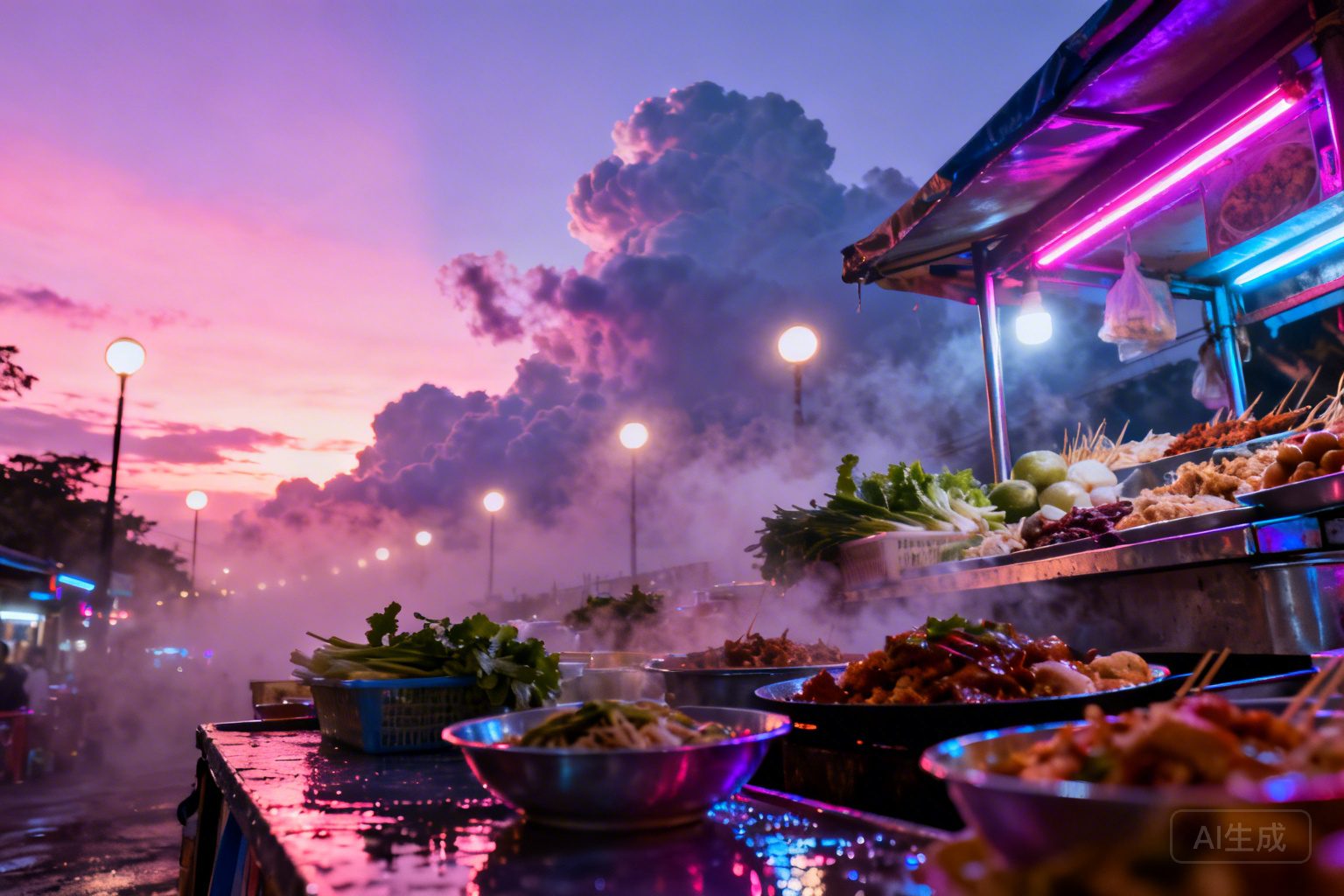
The humidity in Phnom Penh doesn’t just sit on you; it claims you. It is a wet, heavy velvet, smelling faintly of jasmine, diesel exhaust, and the fermented tang of prahok. At 6:00 AM, the sunlight hits the ochre-washed walls of the French Quarter with a clarity that feels almost violent. This is a city built on the confluence of three great rivers—the Mekong, the Tonle Sap, and the Bassac—and like the water, the logic of the place is fluid, swirling, and occasionally treacherous. To arrive here is to step into a palimpsest where the carnage of the 20th century is being frantically overwritten by the neon ambitions of the 21st. The paint on the shutters of the colonial villas is peeling in elegant, sun-bleached curls, revealing layers of mint green and eggshell blue that have witnessed everything from the birth of jazz in the 1960s to the silence of Year Zero.
You don’t just visit Phnom Penh; you succumb to its rhythm. It is a city of frantic kineticism and startling stillness.
1. The Ritual of the Riverside Dawn
The Sisowath Quay at dawn is a theater of the mundane and the miraculous. Before the heat becomes a physical weight, the promenade belongs to the elderly. You see them—slender women in floral sampots and men with skin the texture of cured leather—performing synchronized aerobics to the tinny blast of 1980s synth-pop from a portable speaker. The wind coming off the Tonle Sap is cool, smelling of silt and the wet wood of the longtail boats. To walk here is to understand the city’s respiratory system. Watch the silent monk, his saffron robe a shocking slash of orange against the grey concrete, as he accepts alms with eyes downcast, a living ghost of a tradition that refused to die.
2. The Architecture of Survival: The Royal Palace
Enter the Royal Palace complex and the roar of the motorbikes fades into a shimmering silence. The Silver Pagoda’s floor is paved with five tons of gleaming silver tiles, each one cold against the soles of your feet. Here, the air is thick with the scent of incense and the sound of distant wind chimes. It is a space of impossible fragility. You find yourself staring at the Emerald Buddha, carved from Baccarat crystal, realizing that this opulence was once a target. The detail in the murals of the Reamker—the Cambodian version of the Ramayana—is staggering; look for the tiny, hand-painted monkeys with teeth the size of a grain of rice. It is a testament to the Khmer obsession with the infinite.