The Ultimate List: 20 Unmissable Things to Do in Seoul This Year!
The Concrete Pulse: A Long-Form Descent into the Soul of Seoul
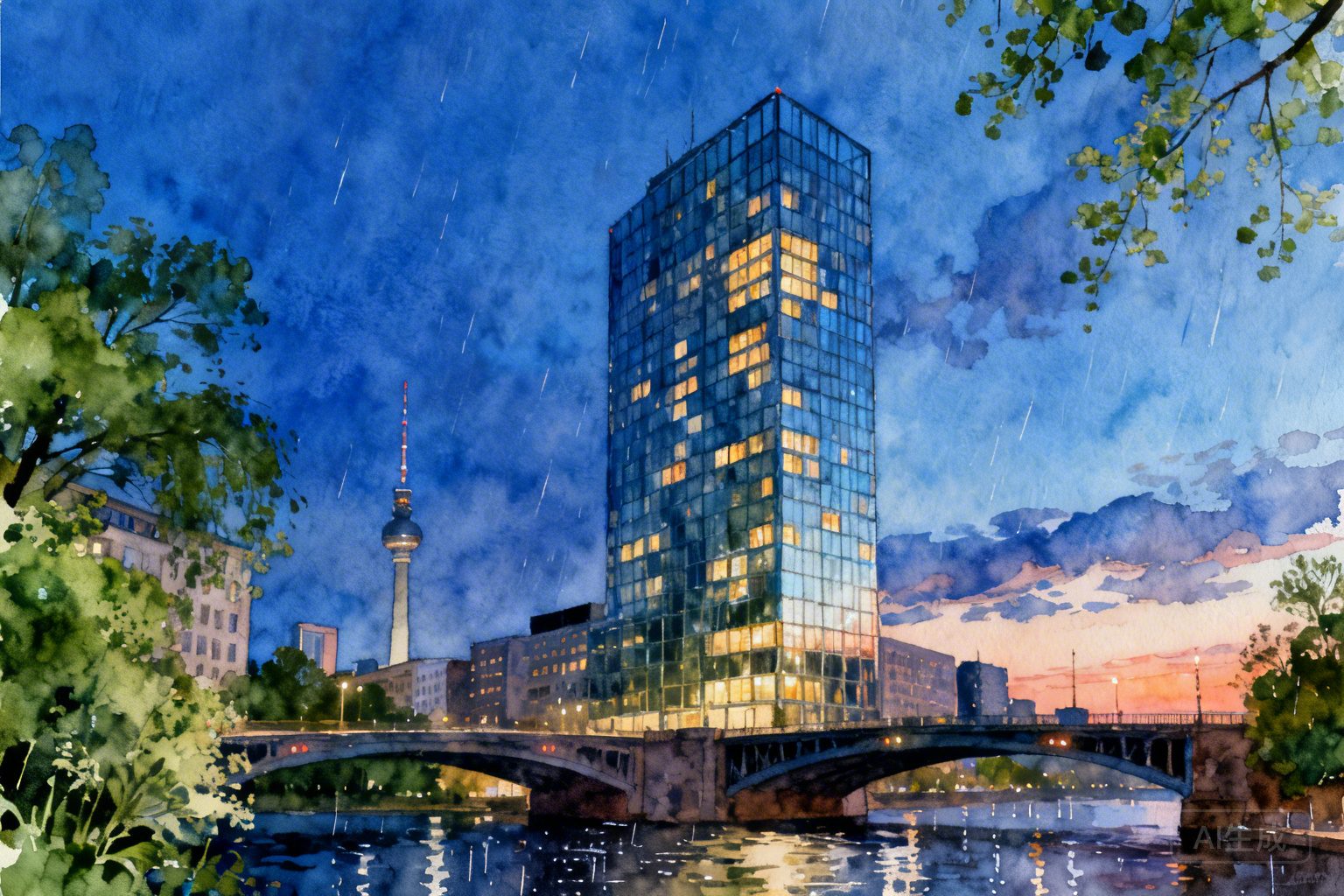
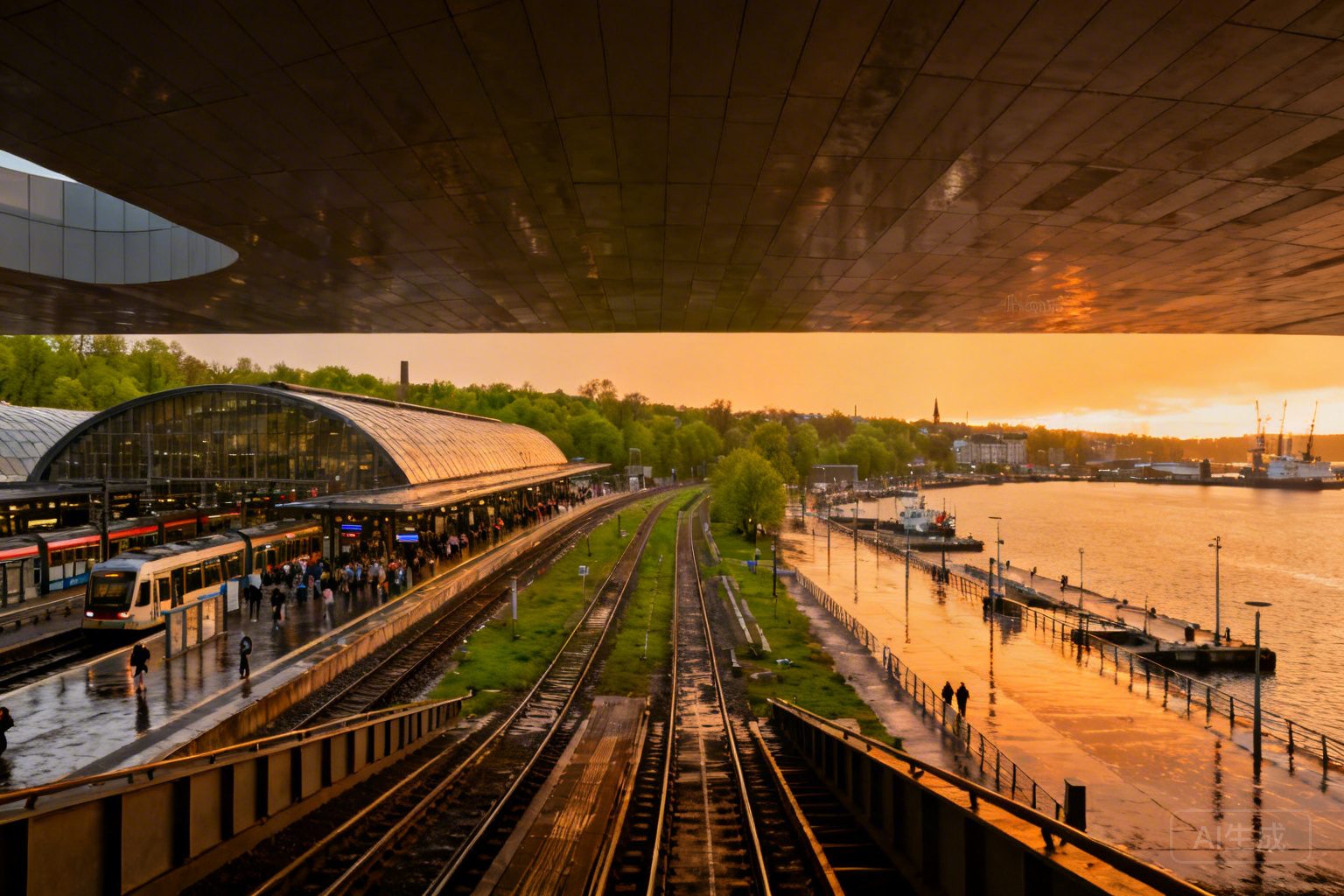
The dawn over the Han River doesn’t break so much as it bruises, a slow-spreading violet smear that reveals the skeletal outlines of bridges spanning the grey water like the ribs of a prehistoric beast. I am standing on the edge of Mapo Bridge, where the wind smells faintly of diesel and the wet, mineral scent of a river that has seen three dynasties fall and a thousand skyscrapers rise. Seoul is not a city of whispers; it is a city of tectonic shifts, a place where the 14th century and the 22nd century rub shoulders so violently they produce sparks. This year, the sparks are brighter than ever.
To list twenty things to do here is not to create a checklist, but to map a nervous system. You do not merely “visit” Seoul; you allow it to overwrite your equilibrium. The air at 6:00 AM is crisp, biting at the edges of my wool coat, carrying the rhythmic thwack-thwack of a distant construction site—the heartbeat of a city that refuses to sleep because it is terrified of being left behind.
1. The Ritual of the Gyeongbokgung Shadow
We begin where the gravity is heaviest. Gyeongbokgung Palace is not just a collection of painted wood and stone; it is an anchor. I watch a silent monk, his grey robes catching the morning breeze, gliding past the Geonchunmun Gate. He doesn’t look at the tourists in rented hanboks. He looks at the ground, at the paving stones worn smooth by centuries of royal processions. The paint on the palace pillars is peeling in microscopic flakes, revealing the pale, dry skin of the pine beneath—a reminder that even the seat of kings is subject to the slow rot of time. Here, the silence is thick, broken only by the grit of gravel underfoot and the occasional, discordant chirp of a magpie.
2. The Steam and Steel of Gwangjang
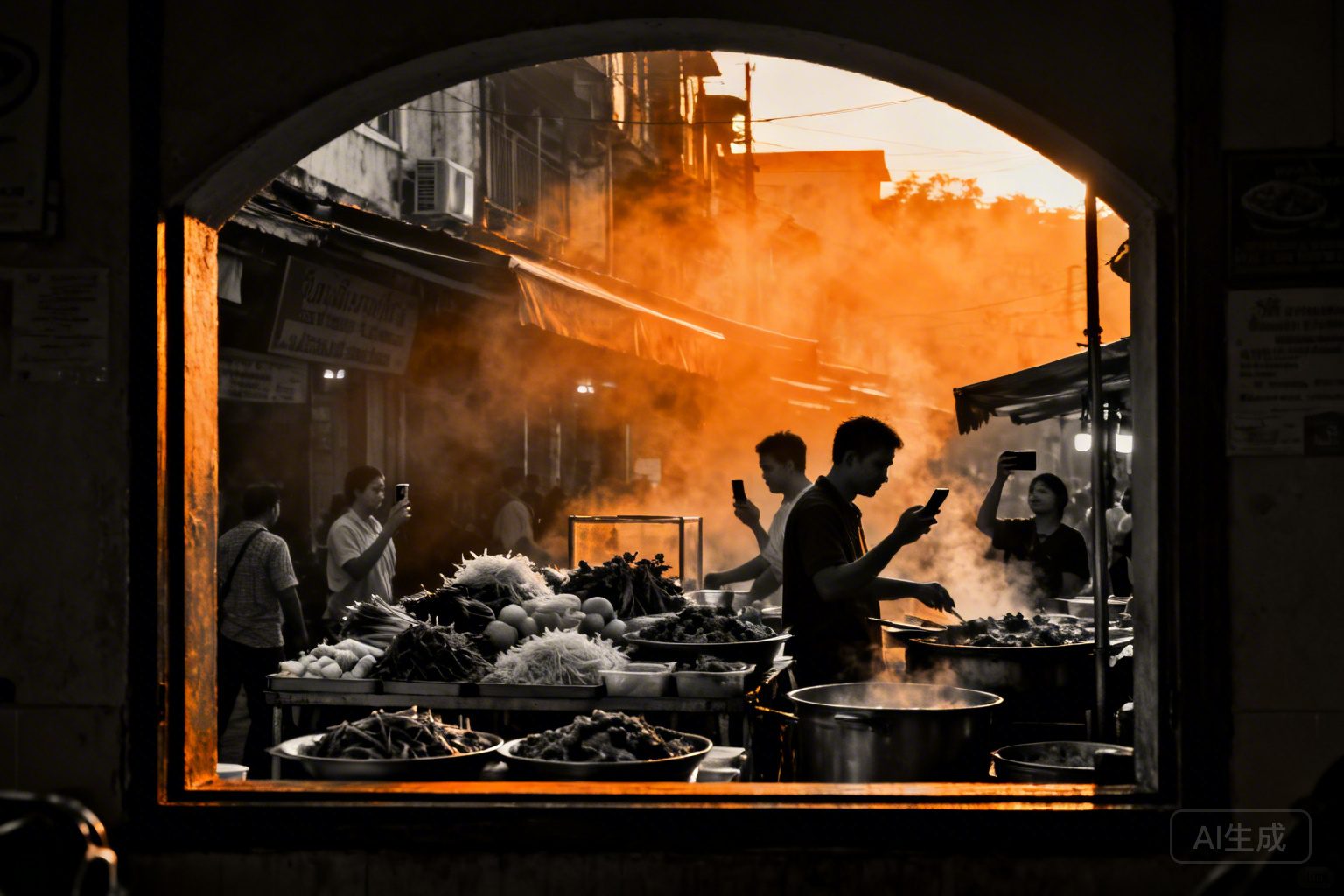
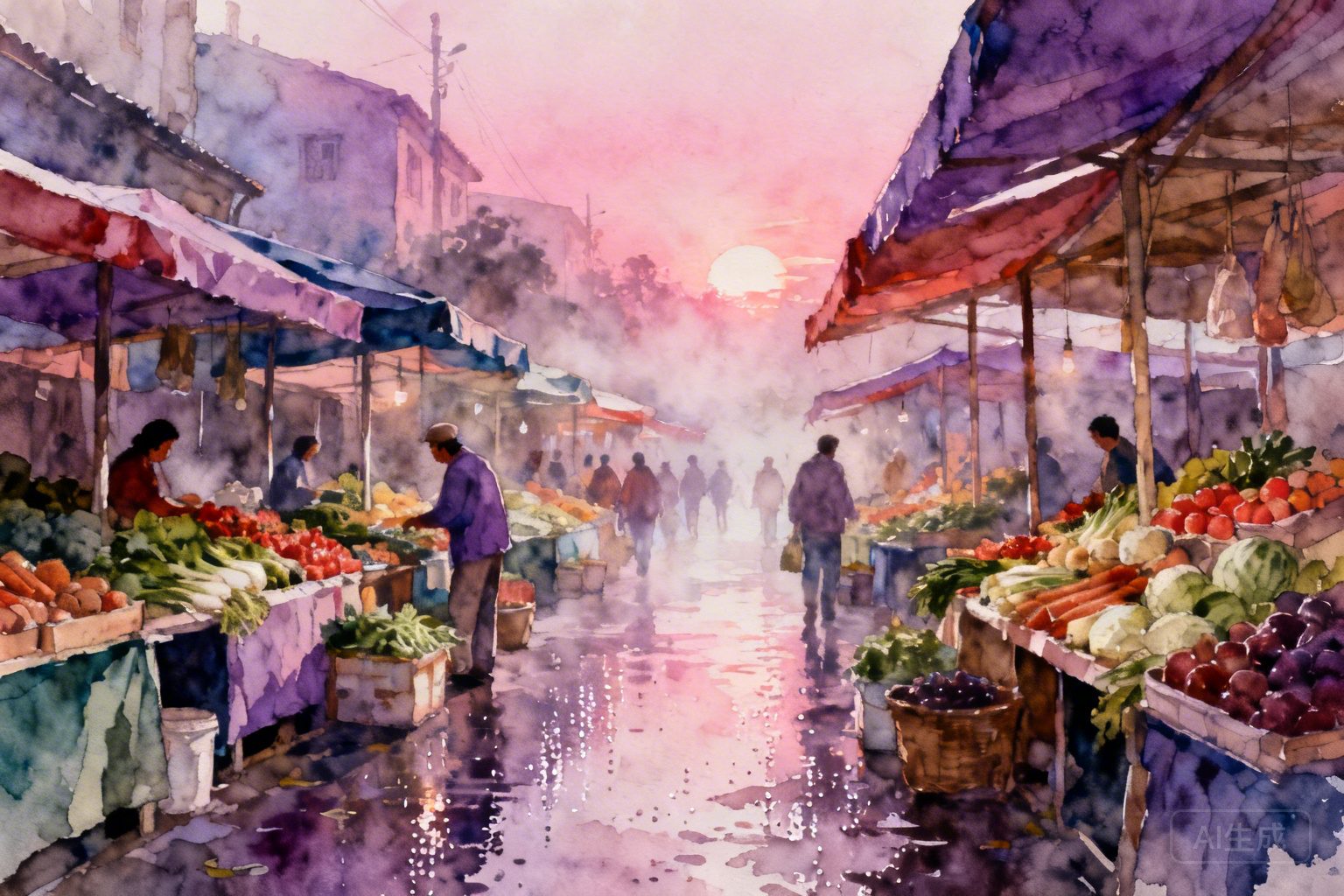
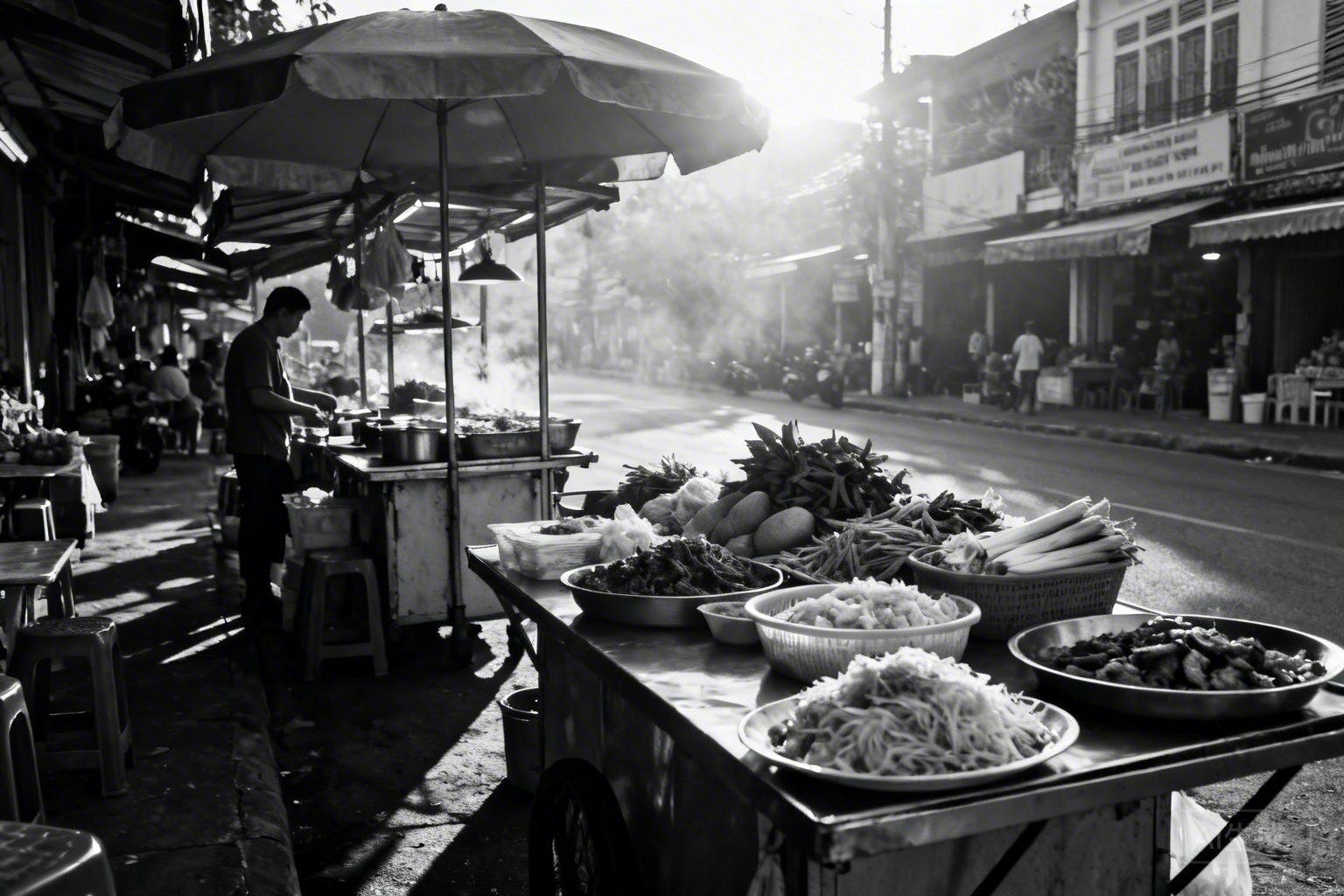
By midday, the geography of the city shifts from the celestial to the visceral. In Gwangjang Market, the air is a humid soup of toasted sesame oil, fermenting cabbage, and the metallic tang of searing iron. I find myself perched on a wooden stool that wobbles on the uneven concrete. The woman behind the counter—let’s call her the Matriarch of Mung Beans—has hands that move with the terrifying efficiency of a piston. She doesn’t speak; she commands. She ladles bindae-tteok batter onto the griddle, the sizzle reaching a high, sharp pitch that drowns out the chatter of the crowd. Every bite is a collision of textures: the shattering crunch of the fried exterior and the earthy, molten center.