The Ultimate List: 20 Unmissable Things to Do in Ushuaia This Year!
The Edge of the Map: Where the Wind Begins its Journey
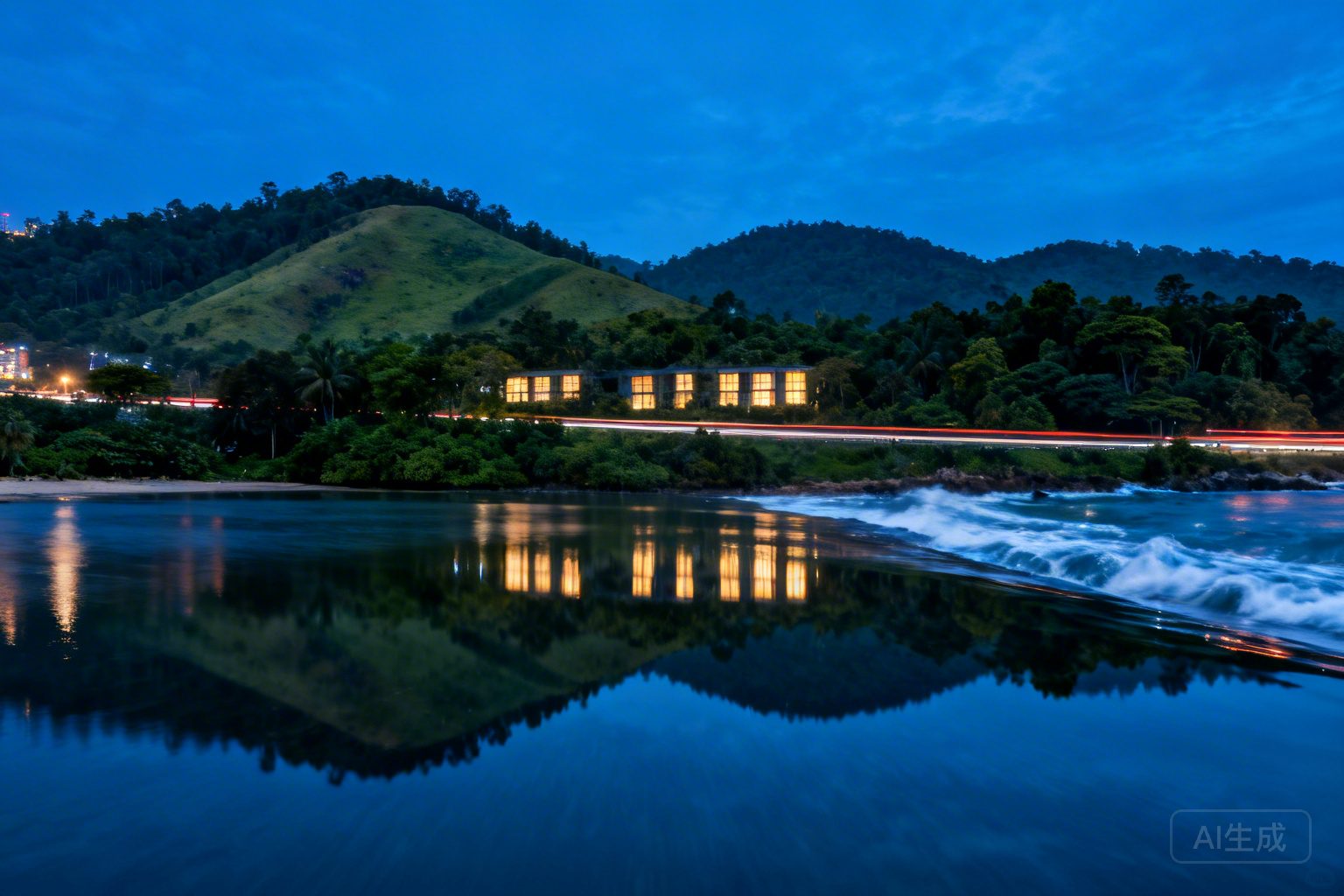
To reach Ushuaia is to surrender to the tyranny of geography. Here, the Andes do not merely end; they collapse into the sea in a violent, jagged embrace of granite and ice. The air doesn’t just blow; it scours. It is a thin, metallic oxygen that tastes of Antarctic salt and the ancient, frozen breath of glaciers. As the plane banked over the Beagle Channel, the water below was the color of a bruised plum, crested with whitecaps that looked like the teeth of a subterranean beast. This is the Fin del Mundo—the End of the World—though the locals, with a shrug of weathered shoulders, prefer to call it the beginning.
I stepped off the tarmac into a wind that felt like a physical weight, a cold so precise it found the microscopic gaps in my down jacket. The town clings to the steep hillside like a collection of colorful barnacles. Corrugated iron roofs, painted in defiant shades of primary red and sunflower yellow, rattle in the gusts. This is not a place built for aesthetics; it is a place built for survival. And yet, in its rugged, salt-stained defiance, it is hauntingly beautiful.
1. The Ritual of the Port-Side Wander
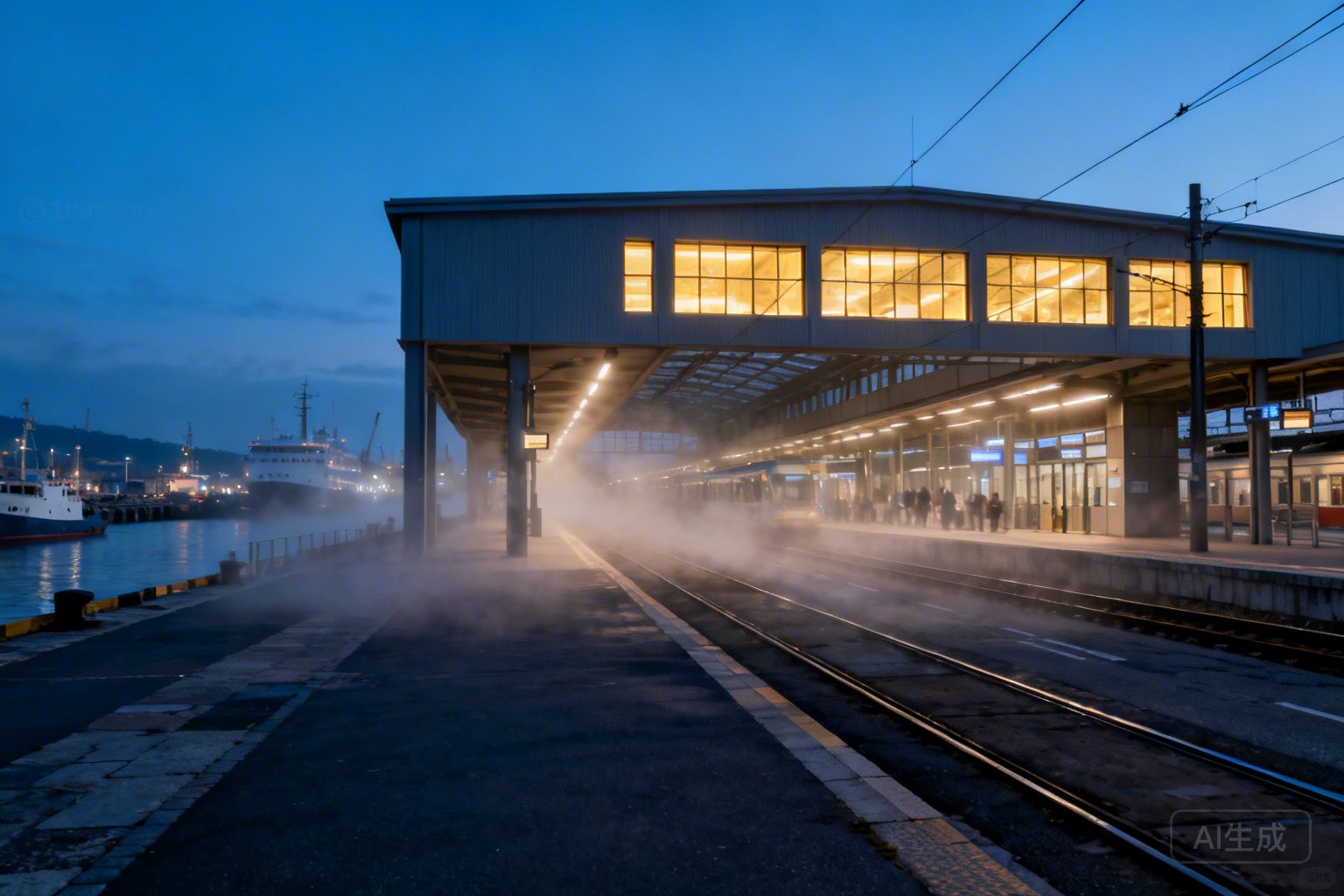
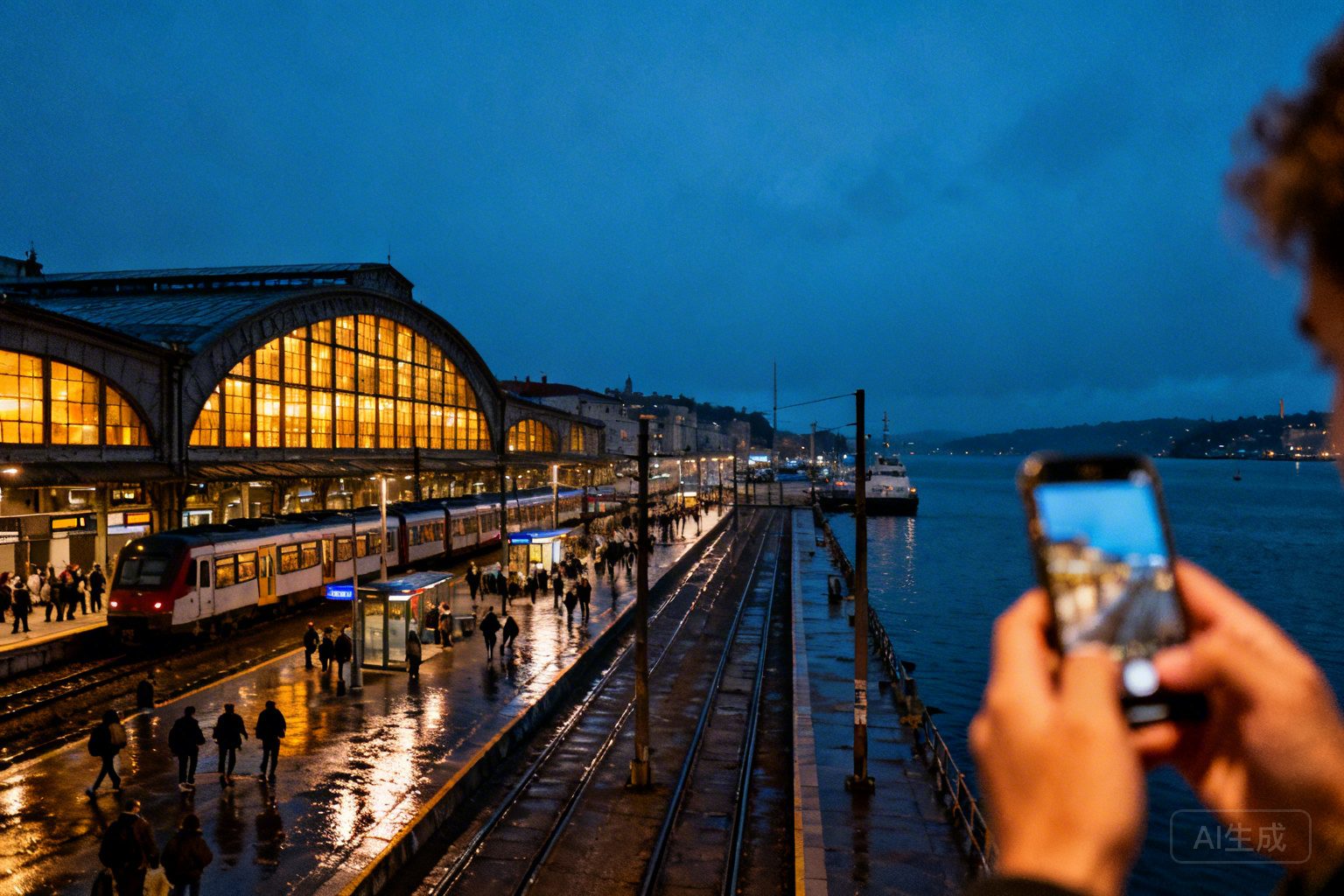
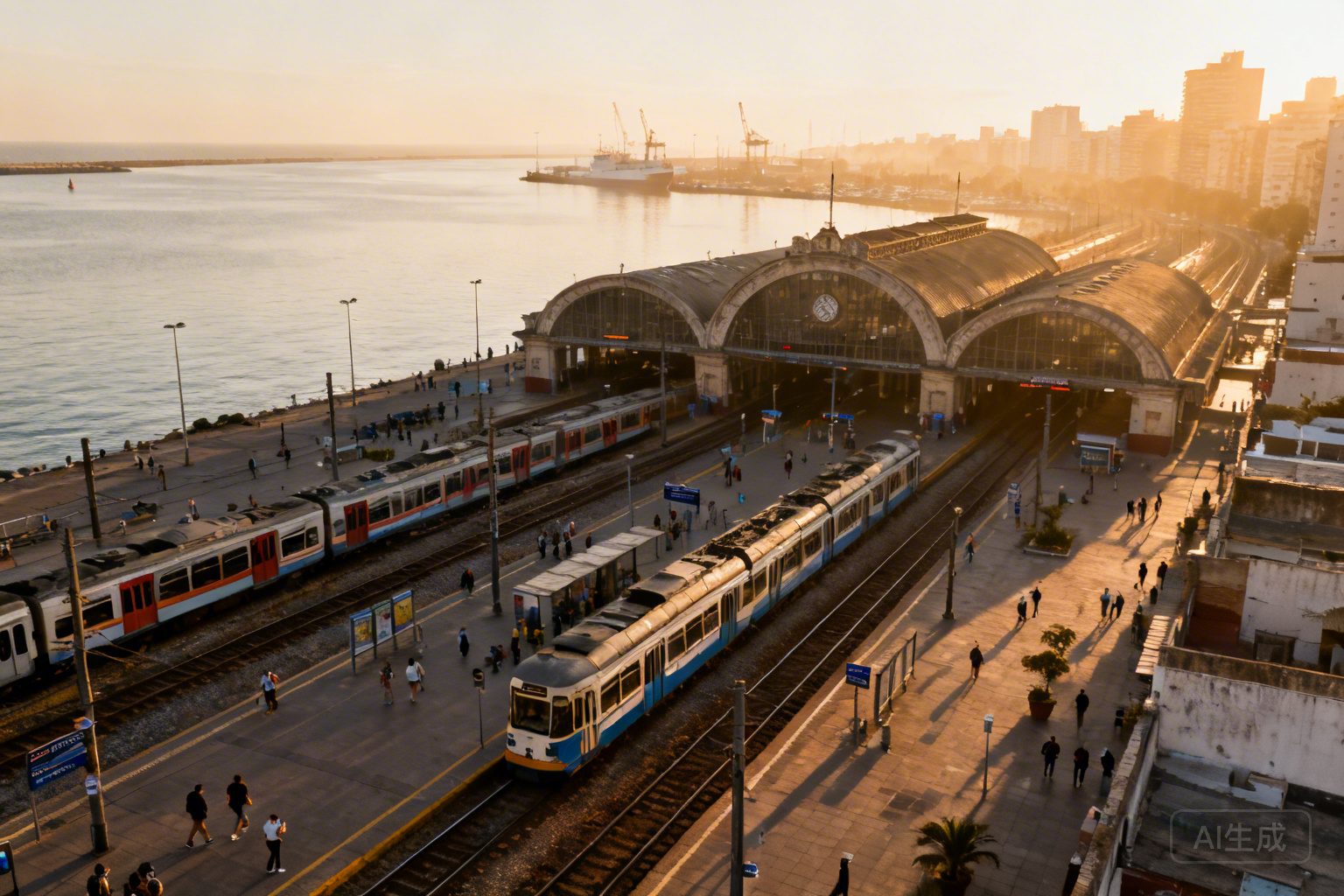
The morning began at the harbor, where the smell of diesel fumes mingles with the briny rot of kelp. I watched the Muelle Comercial, the pier where massive ice-breakers dock alongside rusting fishing trawlers. There is a specific rhythm here: the rhythmic thud-clack of shipping containers and the shrill, desperate cries of kelp gulls. I saw a dockworker—his skin the texture of old saddle leather, his hands stained a permanent indigo by grease and cold—spit a stream of dark tobacco into the slush. He didn’t look up as the tourists passed; his world is measured in knots and engine pressure, not souvenirs.
2. Coffee at El Almacén de Ramos Generales
Walking into this former general store is like stepping into the hold of a shipwrecked 19th-century galleon. The air is thick with the scent of roasted beans and the faint, sweet musk of dust on old wood. Thousands of artifacts—sepia-toned photographs, rusted birdcages, antique apothecary jars—line the walls. I sat at a scarred wooden table, watching a waiter with a silver-streaked pompadour move with the bored grace of a matador. He placed a submarino—a tall glass of steamed milk with a bar of dark chocolate melting into its depths—before me without a word. The chocolate dissolved into a murky, decadent sludge. Outside, the wind rattled the 100-year-old windowpanes, but inside, the world was amber and warm.