The Ultimate Shopping Map: 15 Must-Visit Stores in Osaka!
The Neon Pulse and the Hidden Seam
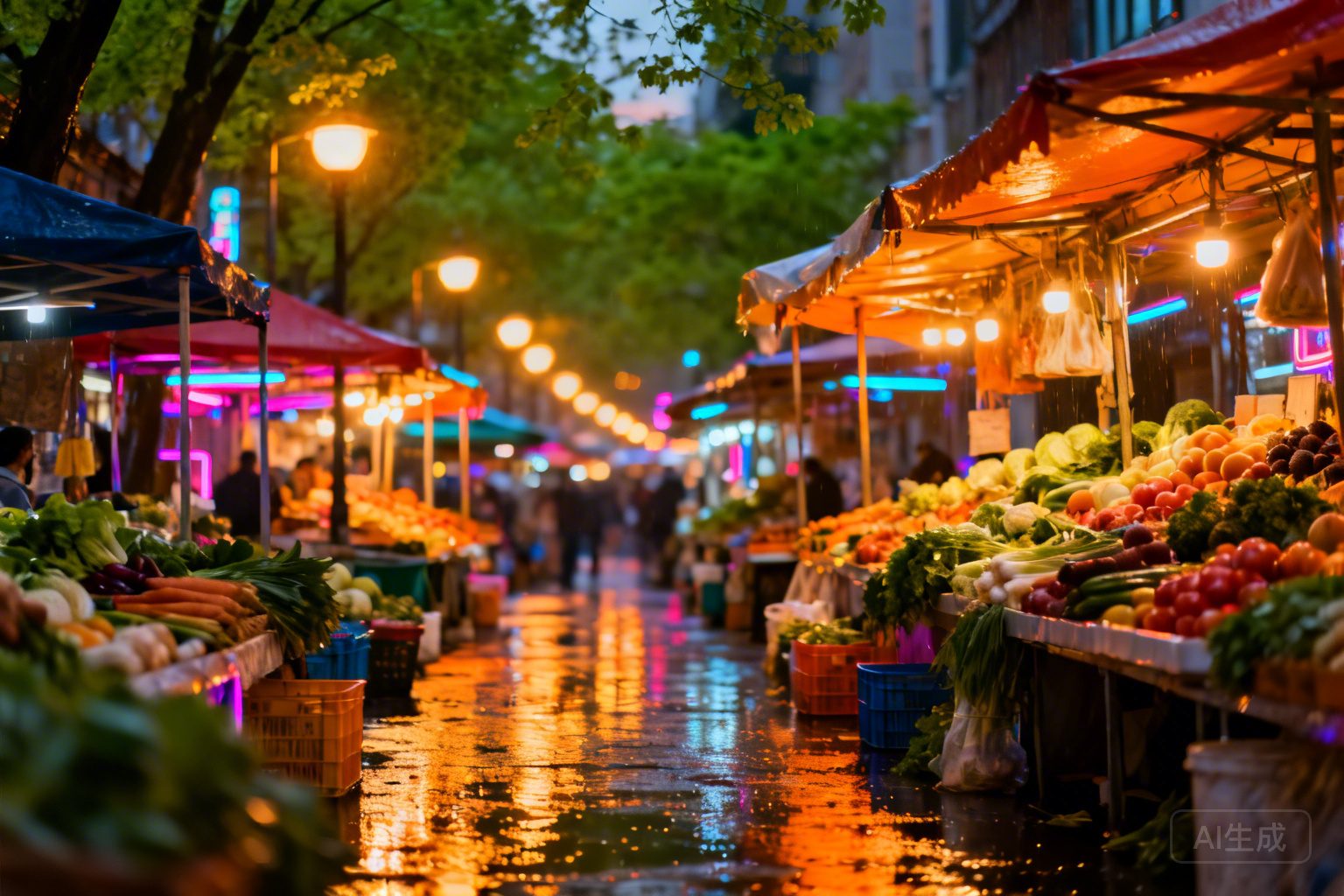
Osaka does not ask for your permission; it demands your participation. To step out of the Shin-Osaka station is to be swallowed by a kinetic, humid embrace—a sensory riot where the scent of scorched octopus batter and high-octane diesel weaves through a crowd that moves with the synchronized urgency of a school of tuna. This is Japan’s “Kitchen,” yes, but it is also its warehouse, its bargain basement, and its high-fashion laboratory. Here, shopping is not a mere transaction. it is a contact sport played out under the hum of a billion LEDs.
The sky was the color of a bruised plum when I first stepped into the labyrinth. A dry, sharp wind rattled the plastic banners of Shinsaibashi, carrying with it the metallic tang of the nearby subway vents. To understand the commerce of this city, one must first understand its geography: a vertical, subterranean, and sky-bridge-linked maze where a hundred-year-old silk shop might share a wall with a vending machine selling warm canned corn soup. We begin at the gilded edges and spiral inward toward the soul of the machine.
1. Hankyu Umeda: The Cathedral of Excess
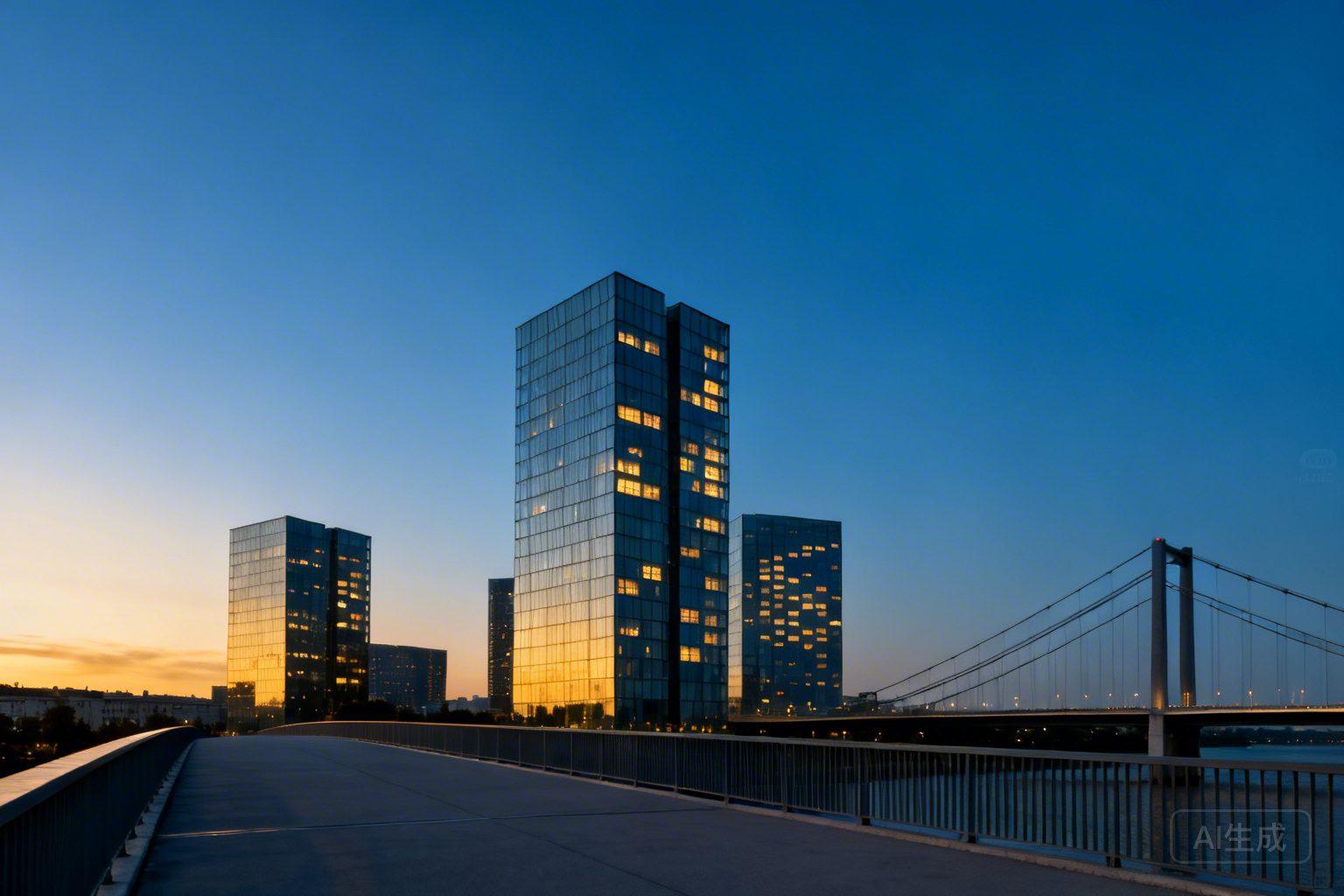
In the north, Umeda rises like a glass-and-steel fortress. Inside Hankyu, the air is pressurized, filtered, and scented with a proprietary blend of expensive lilies and floor wax. The white-gloved elevator attendants bow with a geometric precision that feels almost liturgical. Here, the floors are polished to such a high sheen that you feel you are walking on water. I watched a woman—clad in a trench coat so crisp it could have been made of origami paper—agonize over a selection of melons, each one cradled in individual foam nests like prehistoric eggs. The silence here is expensive.
2. Grand Front Osaka: The Steel Horizon
Adjacent to the station, Grand Front represents the architectural equivalent of a deep breath. It is expansive and cold. I spent an hour in the flagship Muji, a space so vast it felt like a monastery for the secular minimalist. The cedarwood scent of the diffusers settled in my lungs. I watched a frantic office worker, his tie loosened just a fraction of an inch—a scandalous rebellion—frantically buying three identical sets of grey socks as if they were a talisman against the chaos of his day.