The Ultimate Shopping Map: 15 Must-Visit Stores in Tashkent!
The Silk Road’s Modern Loom: A Decadent Drift Through Tashkent
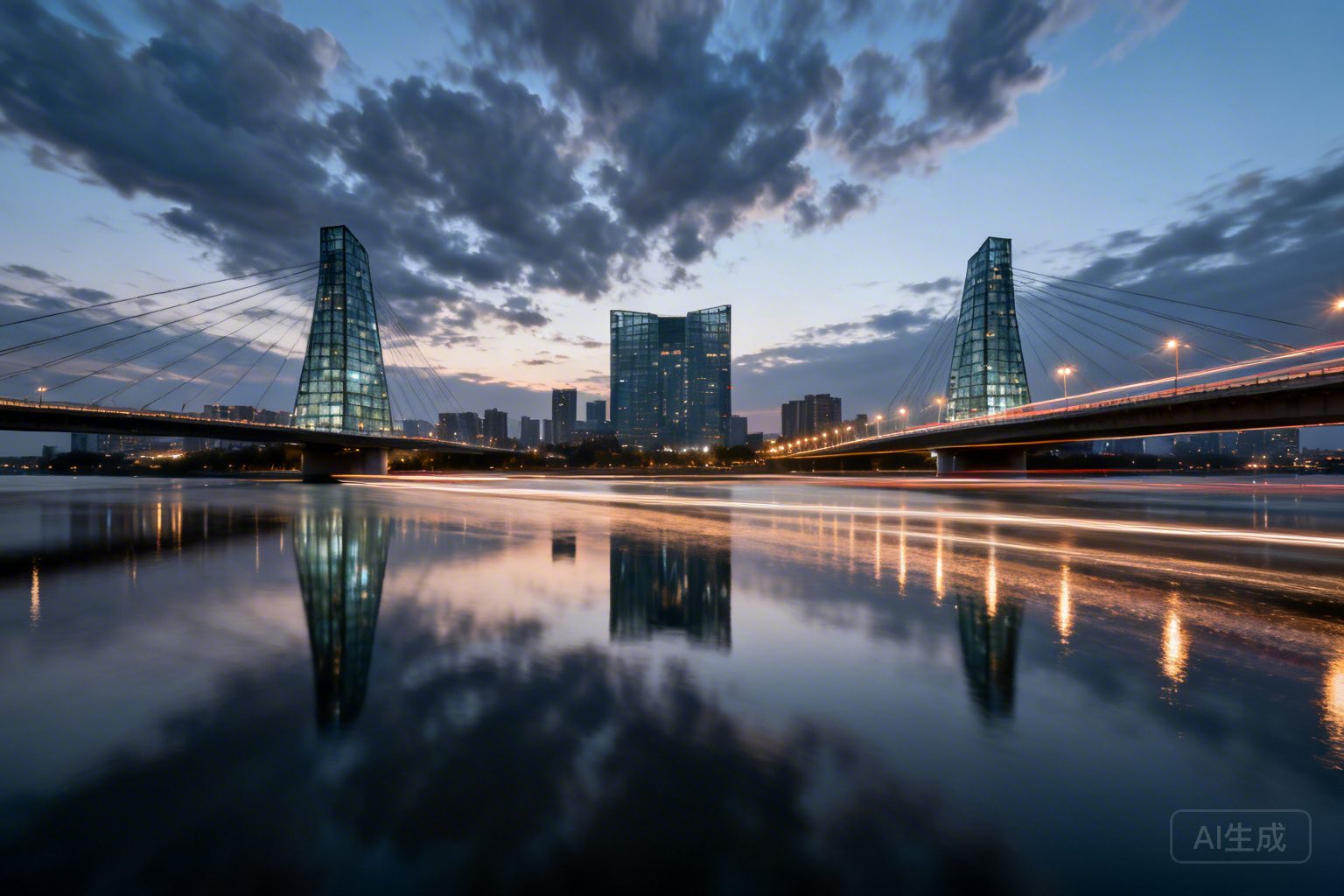
Tashkent is a city that refuses to be static. It is a brutalist dreamscape draped in hand-woven silk, a place where the sun doesn’t just shine—it interrogates. The light here is a heavy, golden syrup that clings to the crumbling Soviet mosaics and the hyper-modern glass fins of the International Business District. To shop here is not merely an act of commerce; it is an excavation of layers. You are digging through the sediment of the Silk Road, the rigid geometry of the USSR, and the frantic, neon-soaked pulse of the New Uzbekistan. I arrived with an empty suitcase and a thirst for the tangible, ready to map a city that defies easy cartography.
The wind at the corner of Amir Temur Square tastes of parched earth and expensive gasoline. It is a sharp, dry breeze that rattles the leaves of the century-old plane trees, trees that have stood witness to the rise and fall of empires while men in sharp-creased suits hurry past, their leather shoes clicking a rhythmic staccato against the heated pavement. This is where the map begins.
1. Human House: The Soul in the Courtyard
Hidden behind an unassuming wooden gate that groans with the weight of its own history, Human House is less a store and more a manifesto. The air inside the courtyard is ten degrees cooler, smelling of damp brick and steeped green tea. Here, the ceramics aren’t just bowls; they are fragments of the earth, glazed in the turquoise of a Timurid dome. I watched a woman—let’s call her Nigora—whose hands were stained with the indigo of a thousand ikat looms, meticulously folding a vest made of vintage velvet. She didn’t look up when I entered. She was communal with the fabric. The textures here are visceral: the rasp of raw silk against the palm, the cool, unapologetic weight of hand-pushed clay. It is the first stop for anyone who understands that luxury is found in the fingerprint of the maker.
2. Chorsu Bazaar: The Blue-Domed Labyrinth
To enter Chorsu is to surrender to the sensory overload of a thousand years. The central dome is a planetary ribs-and-mortar structure, a turquoise lung breathing in the scent of cumin, sweat, and freshly slaughtered lamb. The street vendors cry out in a pitch that vibrates in the soft tissue of your inner ear—long, melodic vowels that sell everything from dehydrated yogurt balls (kurut) to knives forged in the fires of Fergana.