The Ultra-Luxe Guide to Chengdu: How to Vacation Like a Billionaire!
The Sichuanese Gilded Age: A Prelude in Jade and Carbon Fiber
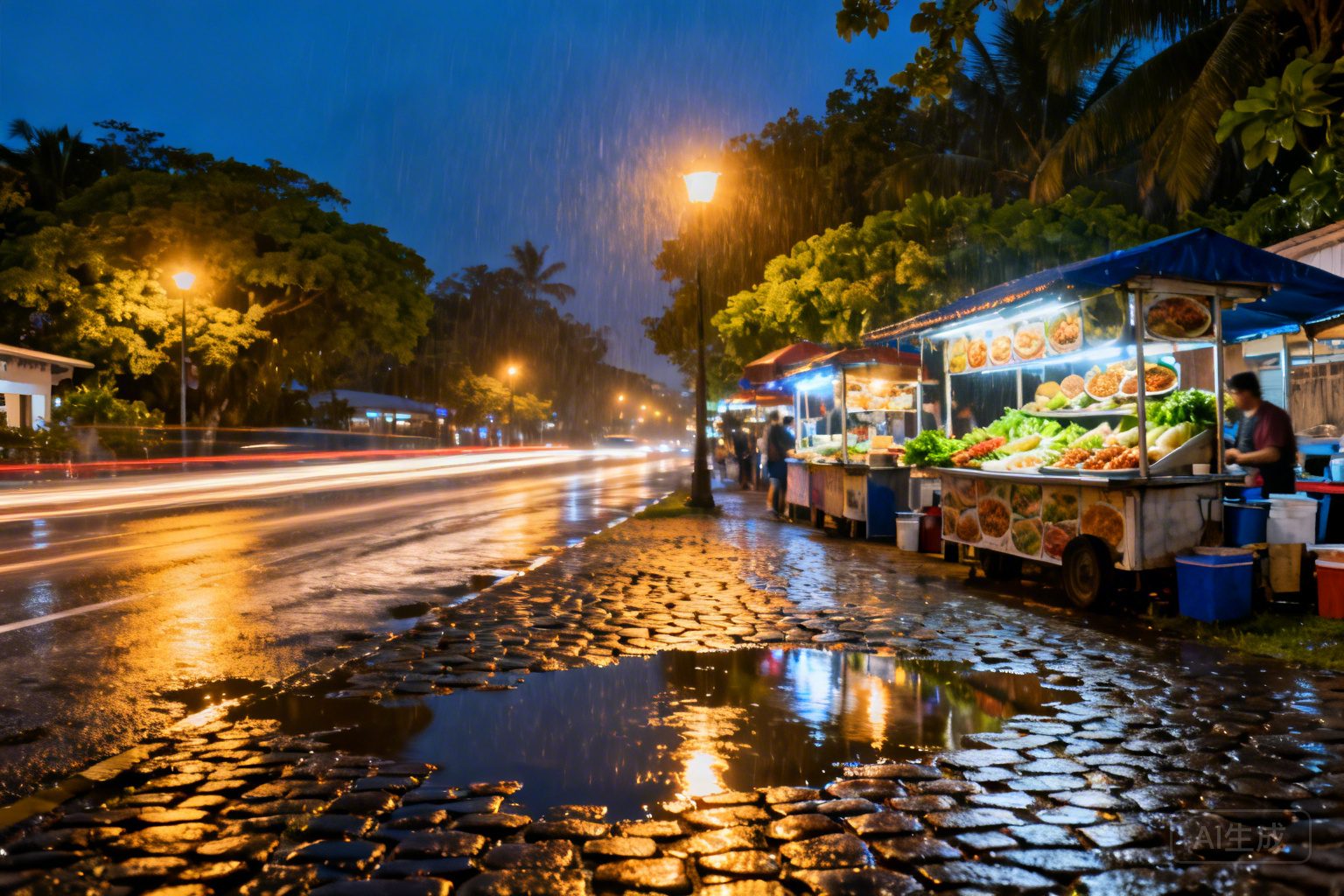
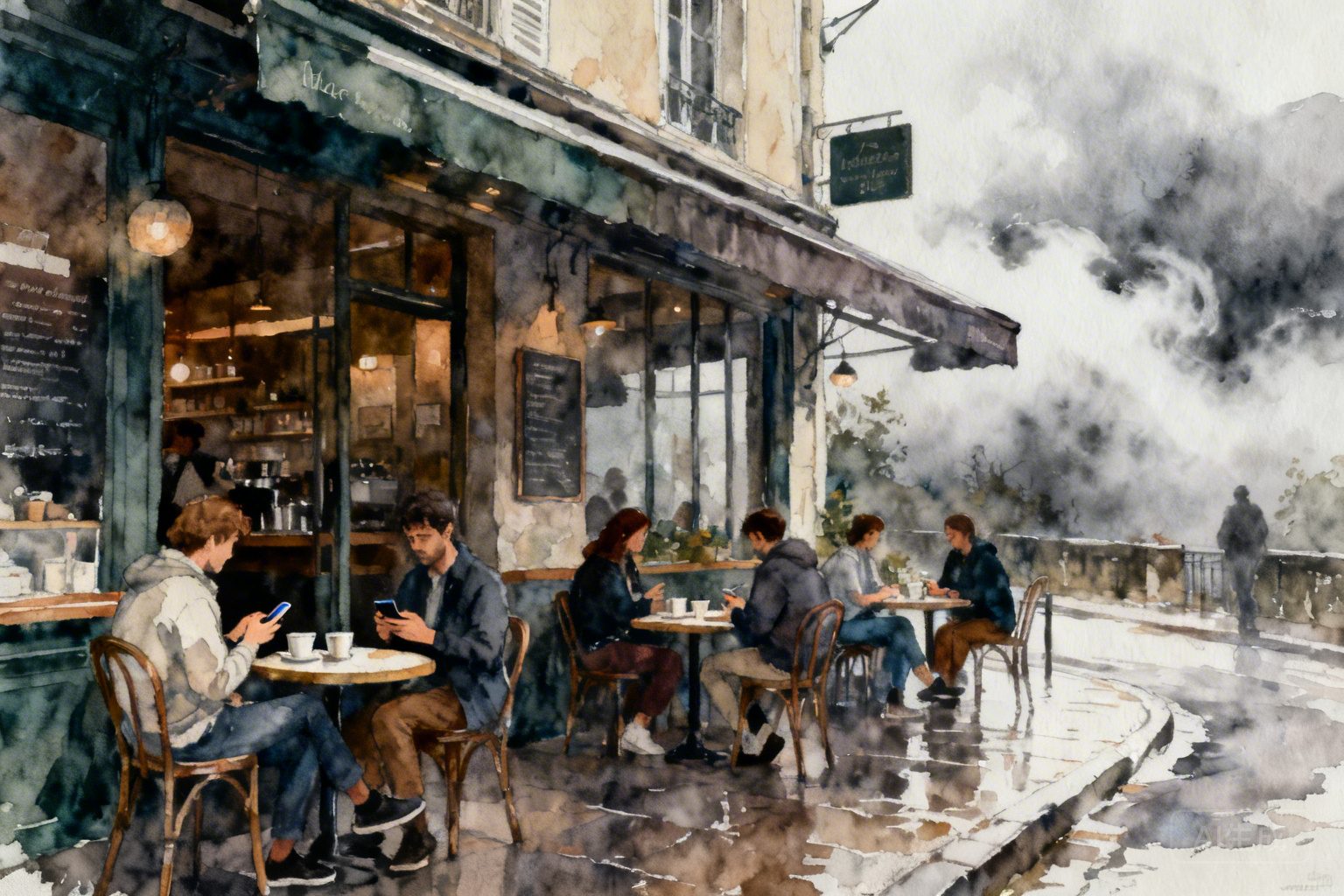
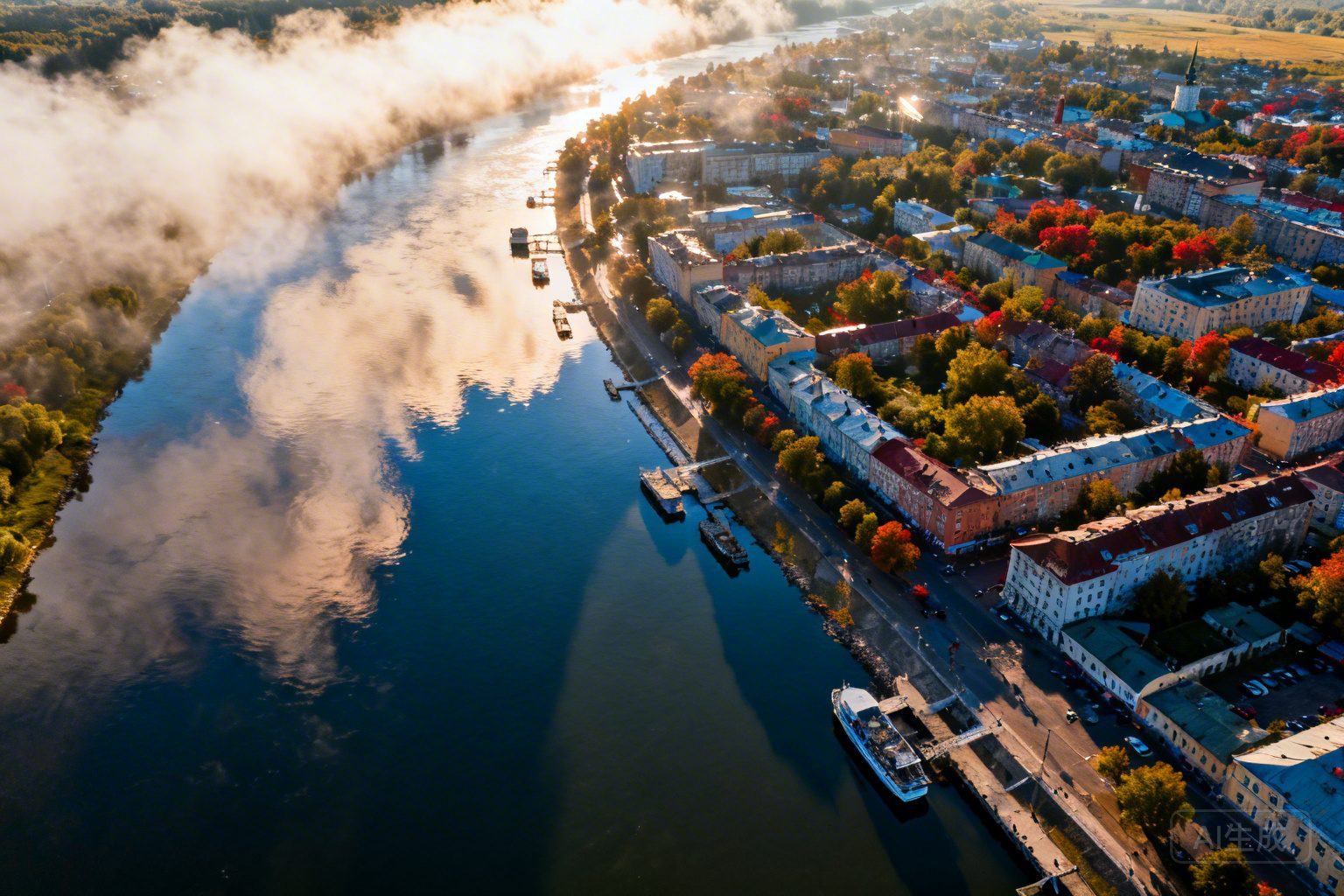
The descent into Chengdu is not merely a change in altitude; it is a submersion into a heavy, humid velvet. As the Gulfstream G650ER banks over the Longquan Mountains, the sky isn’t blue, but a bruised, translucent opal—the legendary “Sichuanese Grey” that has inspired poets and painters for three millennia. This is the land where the sun is a myth and the mist is a personality trait. Here, the air doesn’t just sit; it clings, smelling of wet earth, charcoal smoke, and the faint, numbing electricity of Sichuan peppercorns being toasted in a billion woks simultaneously. This is the capital of the southwest, a city that has mastered the art of “Ba Shi”—a local dialectal gem that translates roughly to a state of absolute, unhurried bliss. But for those with the right black-metal invitation, “Ba Shi” is curated with surgical precision.
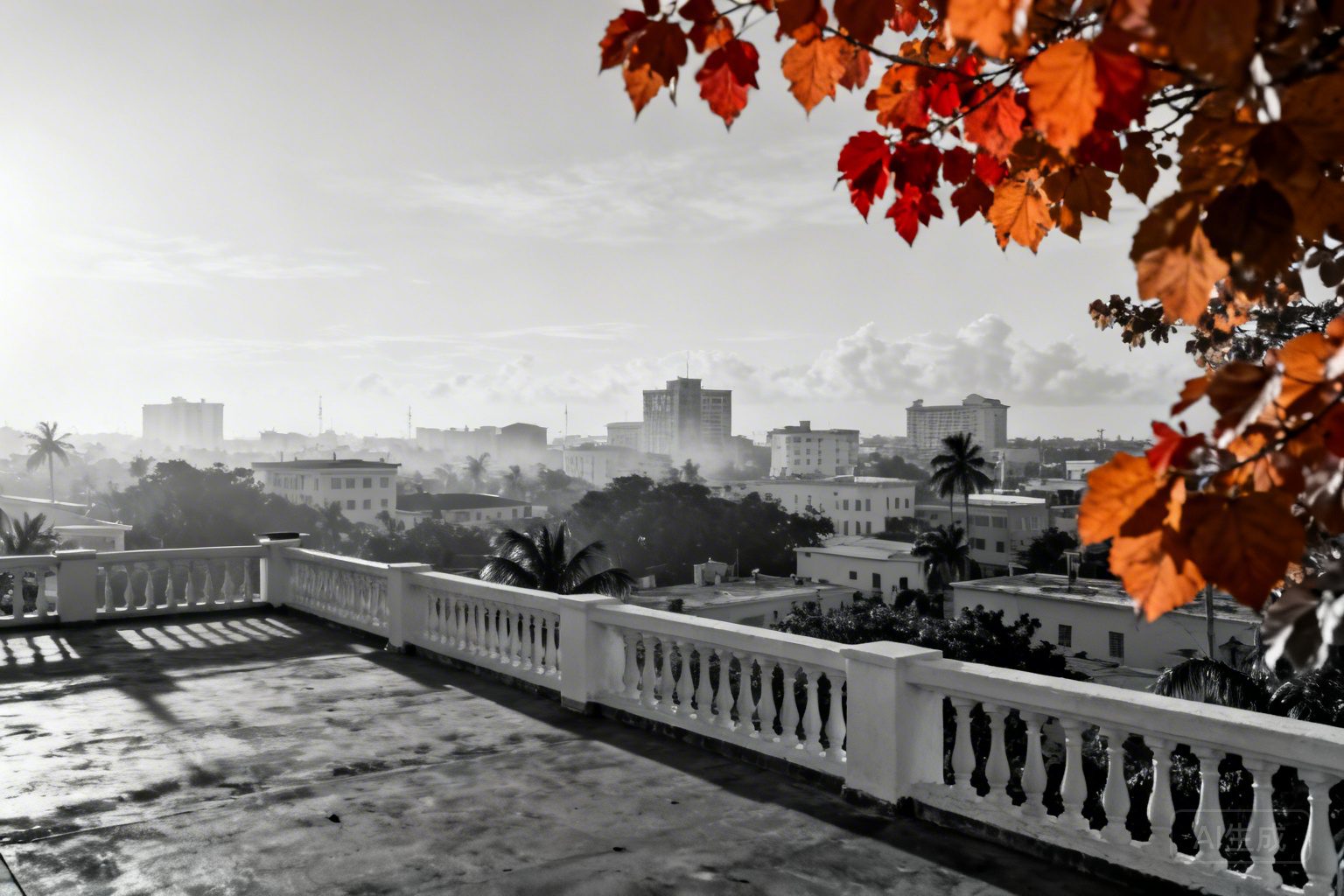
Stepping onto the tarmac, the heat is a physical weight, like being wrapped in a damp silk duvet. My driver, a man named Chen whose spine is so straight he seems to have been carved from a single piece of teak, waits beside a blackened Bentley Mulsanne. He doesn’t speak. He performs a series of micro-gestures: the click of a door, the offering of a chilled towel scented with white ginger, the precise adjustment of the climate control to exactly 19.5 degrees Celsius. We glide away from the private terminal, the city rising out of the haze like a digital hallucination—glass towers draped in vertical forests, competing for oxygen with ancient, sagging rooftops.
The Vertical Sanctuary: Living Above the Clouds
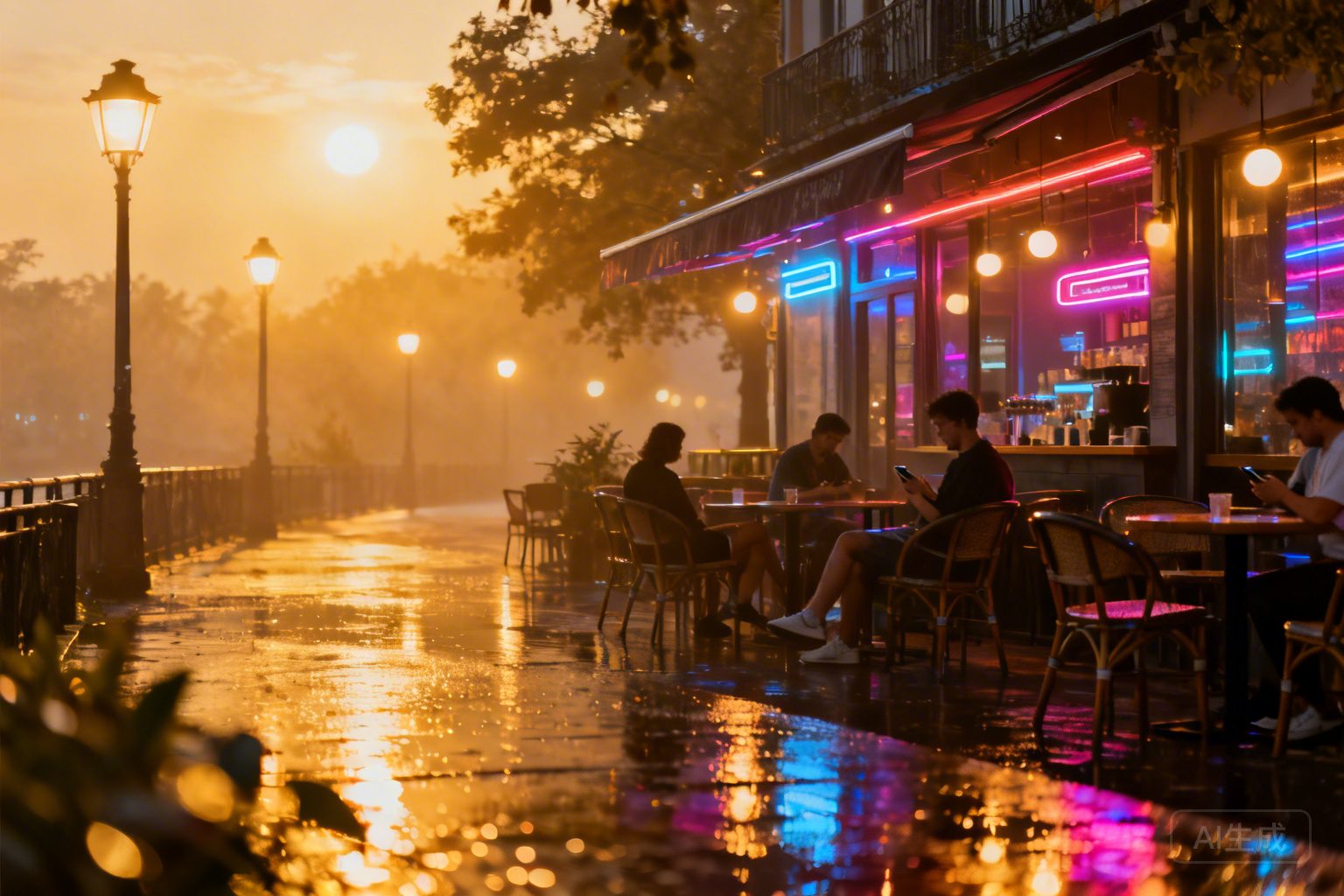
There are hotels, and then there are fortresses of aesthetic intent. We pull into the subterranean entrance of the Niccolo, tucked within the shimmering labyrinth of the IFS complex. Here, luxury isn’t shouted; it is whispered in the language of Italian marble and floor-to-ceiling glass. My suite is a minimalist cathedral overlooking the sprawl of Chunxi Road. Below, the city is a frantic tapestry of human ambition. I watch a frantic office worker—let’s call him Mr. Wang—clutching a leather briefcase like a shield, his tie loosened, sweating through a bespoke shirt as he navigates the tide of tourists. He represents the “New Chengdu,” a man running toward a future that arrives faster every morning.
But inside the suite, the silence is expensive. I run my hand over the desk—the wood is cold, polished to a mirror finish that reflects the swirling grey sky. The paint on the windowsill has a microscopic grain, a testament to the city’s unrelenting humidity. I find myself fixated on a single porcelain vase in the corner. It is “Eggshell” thin, a pale celadon green that seems to hold the light rather than reflect it. Legend says that in the Shu Kingdom, craftsmen would spend decades trying to replicate the color of a rainy sky. They succeeded.