The Ultra-Luxe Guide to Dar es Salaam: How to Vacation Like a Billionaire!
The Swahili Gilded Age: A Descent into Dar
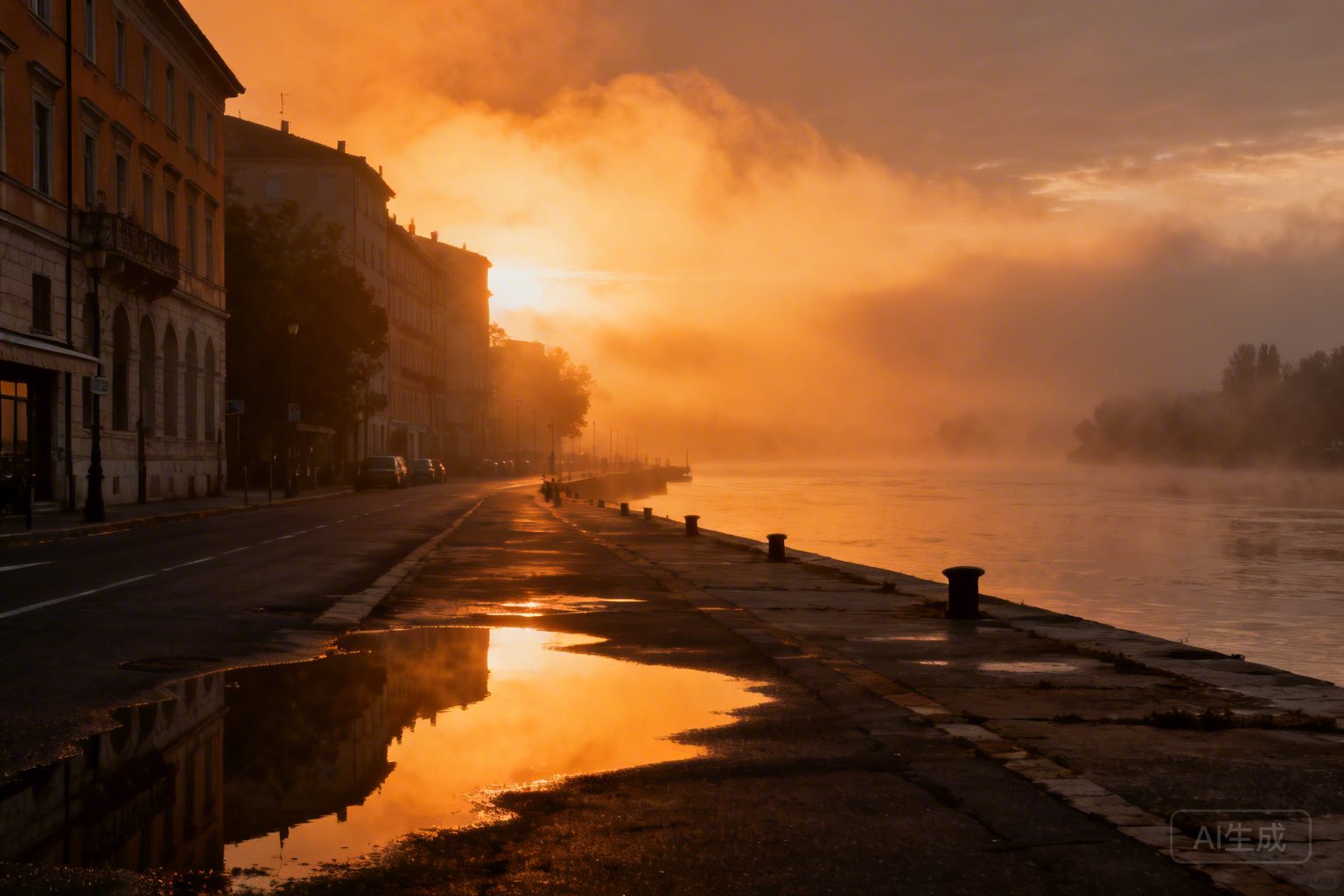
The Gulfstream G650ER banks sharply over the charcoal-and-teal expanse of the Indian Ocean, its winglet slicing through a humidity so thick it feels like a physical barrier. Below, the city of Dar es Salaam—the “Abode of Peace”—unspools like a frantic, gold-flecked tapestry. From thirty thousand feet, you cannot see the rust or the chaotic geometry of the daladala minibuses. You see only the shimmering refraction of the water and the vertical ambitions of a skyline trying to outgrow its colonial bones. To arrive here as a billionaire is not merely to land; it is to undergo a sensory recalibration. The air inside the cabin is filtered, chilled to exactly 68 degrees, smelling faintly of white tea and expensive leather. But as the door hisses open at Julius Nyerere International, the city hits you: a wall of clove-scented heat, the metallic tang of jet fuel, and the distant, rhythmic thrum of a metropolis that never quite sleeps, even in the blistering noon sun.
The tarmac is a heat-haze mirage. Your fixer, a man named Elias who possesses the posture of a Prussian general and a smile that suggests he knows exactly which offshore accounts you’re hiding, whisks you past the labyrinthine queues of the main terminal. This is the first rule of the ultra-luxe Tanzanian experience: never stand still. Motion is status. You are ushered into a matte-black Range Rover Autobiography, the seats cooling your spine before you’ve even settled. Outside the tinted glass, the world is a blurred smear of magenta bougainvillea and the lime-green shirts of street sweepers. The city is a chaotic symphony of “Pole-Pole”—slowly, slowly—but you are moving at the speed of capital.
The Peninsular Sanctuary: Msasani Dreams
To understand the geography of wealth in Dar, one must understand the Peninsula. This narrow finger of land poking into the Indian Ocean is where the old money of the Omani dynasties meets the new, frenetic energy of the tech-logistics titans. We pull into the driveway of a private villa tucked behind walls topped with jagged glass and blossoming jasmine. The gate is heavy, rusted iron that groans with a specific, low-frequency ache, a sound that says history lives here, but it’s been bought and paid for.
The architecture is a fever dream of Neo-Swahili minimalism. Imagine white-washed coral rag walls that feel like dried bone under your fingertips, punctuated by massive, hand-carved Zanzibar doors. These doors are the city’s quietest boast. I trace the brass studs—shamsia—meant to ward off war elephants in a century long gone. The wood is Burmese teak, weathered by a hundred years of salt spray until it has reached the texture of a sun-bleached driftwood. It is rough, splintered in places, yet oily and dense. It smells of antiquity and damp earth.