The Ultra-Luxe Guide to Lisbon: How to Vacation Like a Billionaire!
The Alabaster Labyrinth: A Sovereign’s Descent into Lisbon
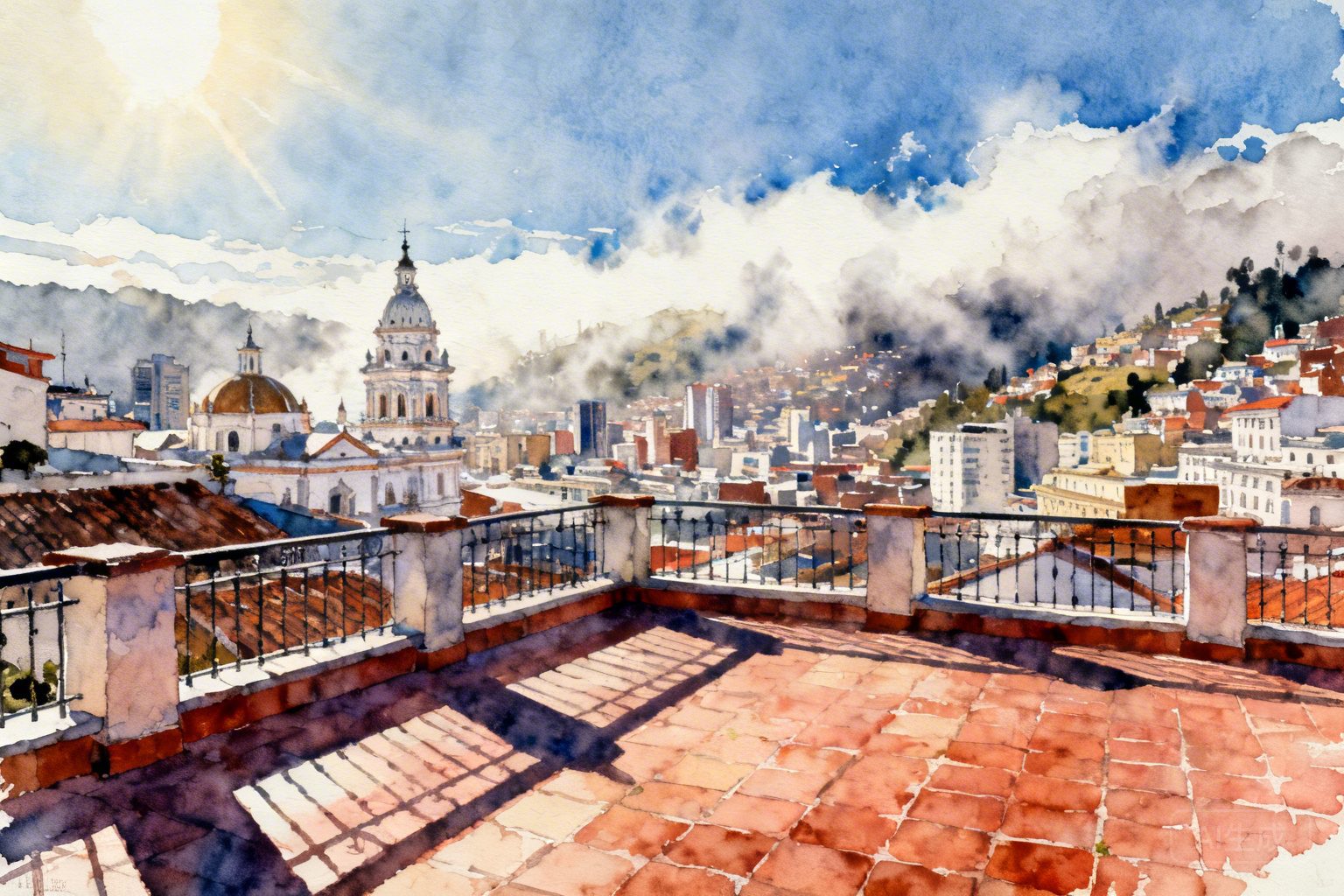
The descent into Humberto Delgado Airport is rarely a subtle affair. The Atlantic, a churning expanse of hammered mercury, suddenly gives way to the terracotta sprawl of a city that feels less like a capital and more like a fever dream etched in limestone. When you arrive via private charter, the terminal is a silent vacuum of brushed steel and espresso, far removed from the sweltering kinetics of the main gates. A black G-Wagon waits on the tarmac, its tires humming against the asphalt with a proprietary thrum. This is Lisbon not as a postcard, but as a vault. To vacation here like a billionaire is to understand that the city’s true currency isn’t the Euro, but the silence of a courtyard that has remained locked since the 1755 earthquake.
As the vehicle winds toward the Avenida da Liberdade, the air changes. It loses its salty, oceanic bite and takes on the scent of roasting chestnuts and expensive exhaust. The Avenida is Lisbon’s spine, a boulevard of mimosa trees and calcada pavement—those hand-laid white and black stones that shimmer like dragon scales under the midday sun. To walk here is to participate in a ritual of friction. Your soles grate against the uneven basalt, a reminder that in Lisbon, history is never paved over; it is merely polished by the passage of time.
The Architecture of Reclusion: Palácio Belmonte
Forget the Ritz. Forget the Four Seasons. The billionaire’s Lisbon begins at the gates of Palácio Belmonte, perched precariously on the walls of São Jorge Castle. To enter is to step into a sensory deprivation chamber of extreme luxury. The paint on the heavy timber doors doesn’t just peel; it flakes in rhythmic, parchment-like curls, revealing layers of ochre and oxblood applied centuries ago. There is no reception desk. There is only a quiet man in a linen suit who hands you a heavy iron key and disappears into the shadows of a Roman cistern.
In the “Padre Himalaya” suite, the walls are clad in 18th-century *azulejos*—blue and white tin-glazed ceramic tiles that depict scenes of hunting and philosophy. Running a finger over these tiles is like touching frozen silk; they are cold, slightly concave, and smell vaguely of damp stone and ancient dust. There are no televisions. The luxury here is the absence of the digital. Instead, there is the sound of the wind whipping off the Tagus River, whistling through the gaps in the window shutters with a pitch like a distant flute. It is a lonely, expensive sound.