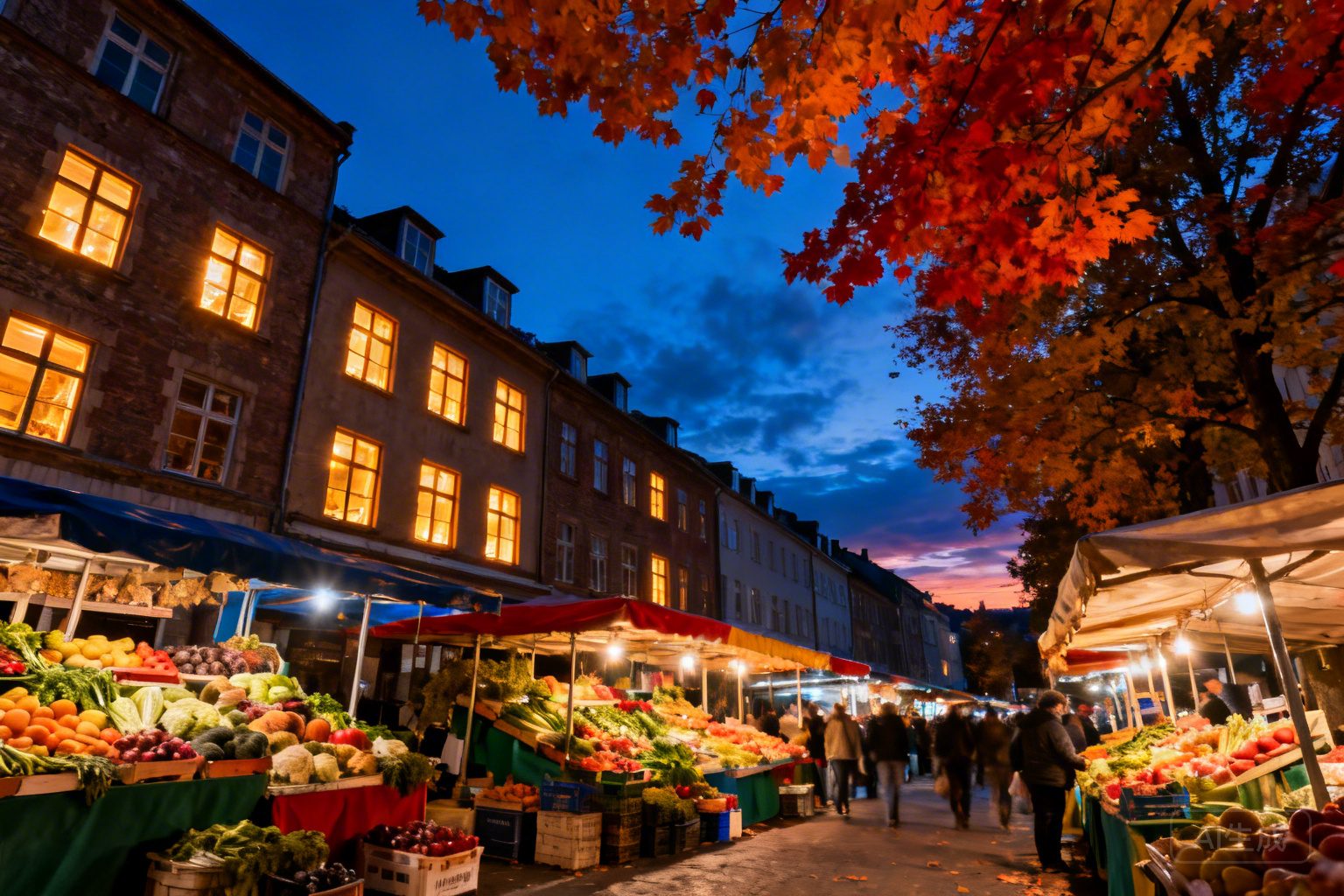
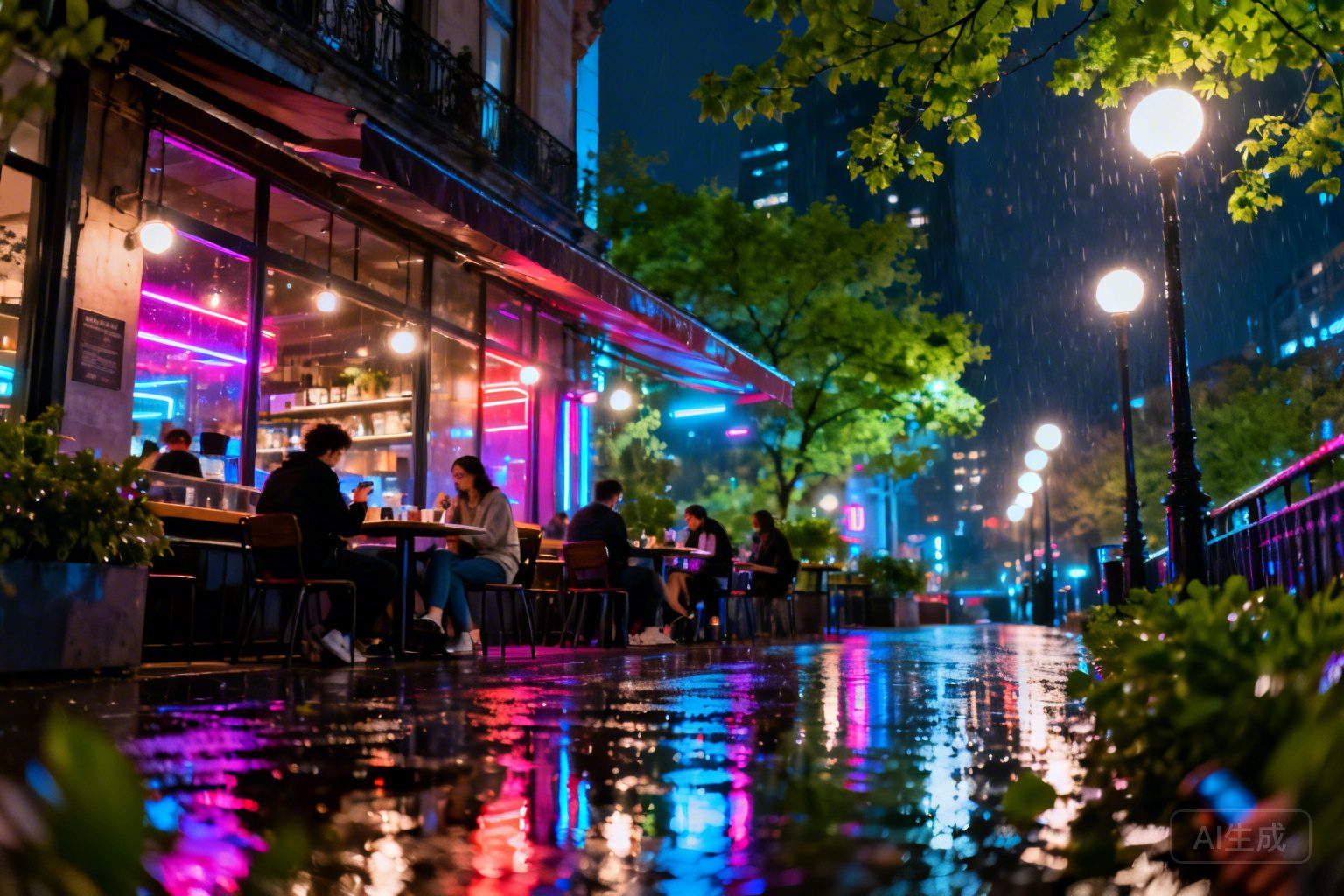
The Ultra-Luxe Guide to Ottawa: How to Vacation Like a Billionaire!
The Granite Gilded Cage: A Prelude to the High North
Ottawa is a city of brutalist geometry softened by the persistent, emerald intrusion of the Canadian wilderness. It is a place where the air smells of frozen cedar and the heavy, metallic tang of cold river water. To the uninitiated, it is a sleepy government town, a landscape of beige bureaucracy and sensible shoes. But for those who move through the world with the quiet gravity of extreme wealth, Ottawa reveals itself as a private sanctuary of old-world discretion and subterranean power. This is not the loud, neon luxury of Dubai or the frantic, gold-leafed peacocking of Manhattan. This is the luxury of silence. The luxury of the locked door.
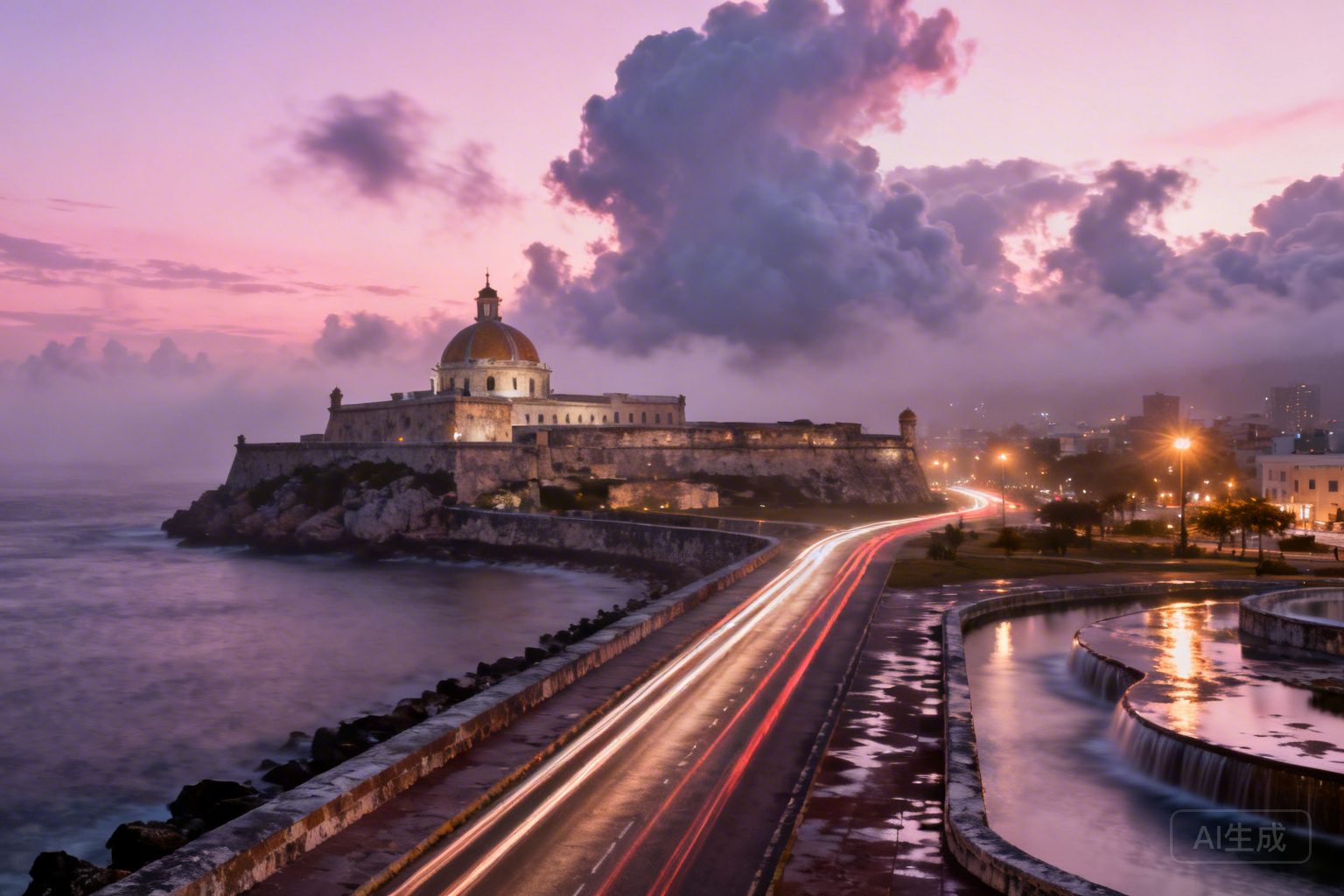
I arrived as the sun began to bleed a violent, bruised purple over the Gatineau Hills. The tarmac at the private FBO was slick with a recent rain, reflecting the strobe lights of the Gulfstream like shattered diamonds. The wind at the edge of the runway didn’t just blow; it searched, a thin, icy finger finding the gap between a cashmere collar and the skin. There is a specific pitch to the wind here—a low, mournful whistle that sounds like a secret being kept. My driver, a man named Elias with skin the texture of an expensive, well-worn saddle, waited by a black sedan that seemed to absorb what little light remained in the sky. He did not speak. He simply opened the door, the hinge emitting a sound so precisely engineered it felt like a surgical strike.
The Fairmont Château Laurier: Living Inside a Legend
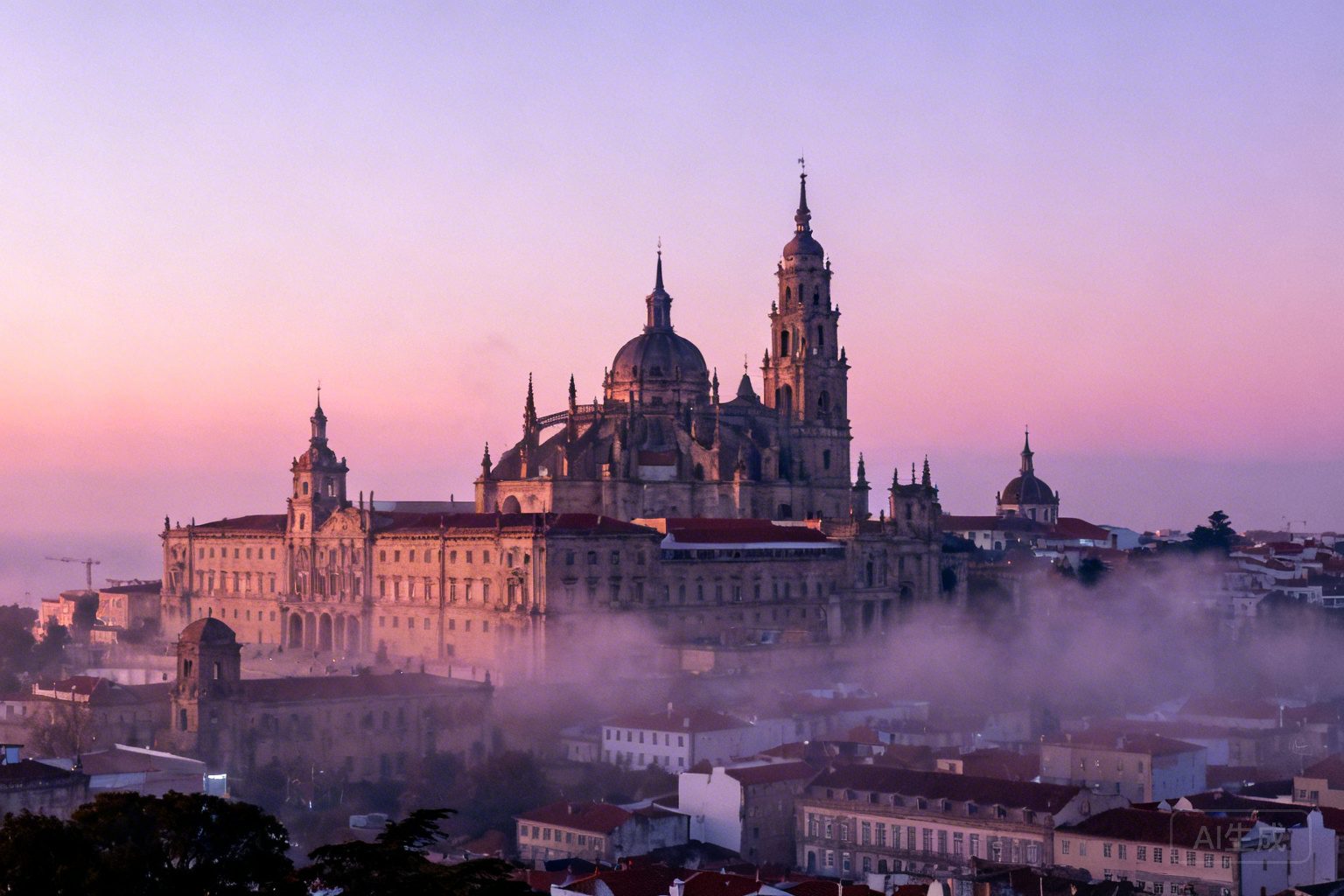
We crossed the Rideau Canal, the water below a dark, undulating ribbon of obsidian. Then, it loomed: The Fairmont Château Laurier. It is a limestone fortress, a Gothic Revival dream of turrets and gables that commands the skyline with the arrogance of a chess piece. To stay here is to inhabit a history that refuses to die. I walked through the revolving doors, and the world shifted. The lobby smelled of beeswax, lilies, and the faint, ghostly trace of cigar smoke from a century ago. The marble floor beneath my feet was slightly uneven, worn down by the rhythmic pacing of prime ministers and spies.
In the Karsh Suite—named for Yousuf Karsh, the photographer who captured the souls of Hemingway and Churchill within these very walls—the luxury is tactile. The curtains are heavy, velvet drapes the color of a vintage Burgundy, so thick they seem to swallow sound. I ran my hand over the desk, a heavy oak beast with a slight patina of dust in its intricate carvings. Outside the window, the Parliament buildings stood in silhouette, their copper roofs turned a vibrant, oxidized green that looked almost radioactive under the moonlight. The silence of the suite was absolute, save for the occasional, rhythmic clinking of the radiator—a heartbeat for a building that has seen empires rise and fall.