Thrills and Chills: 12 Active Things to Do in Mexico City!
The Concrete Pulse of the High-Altitude Heart
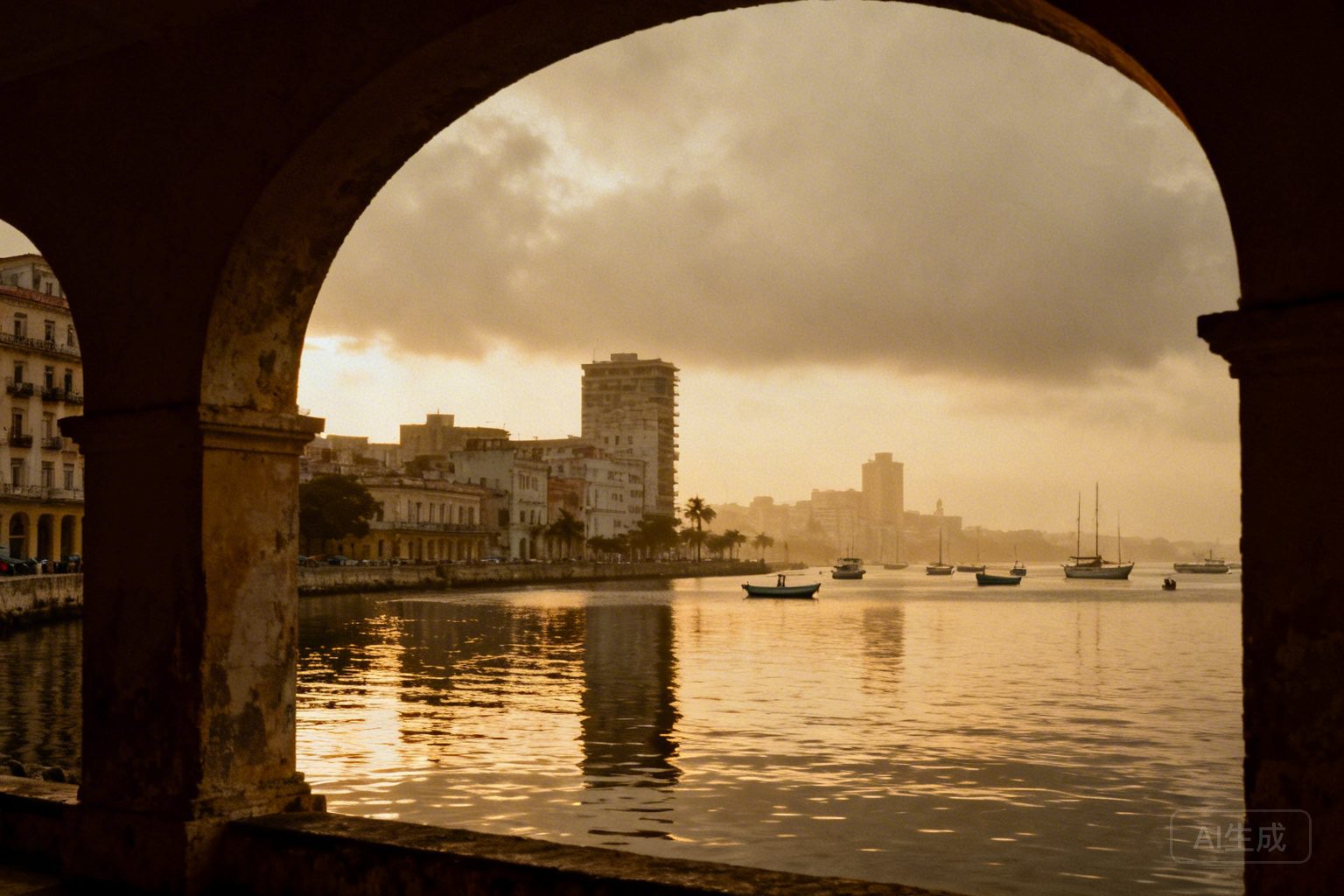
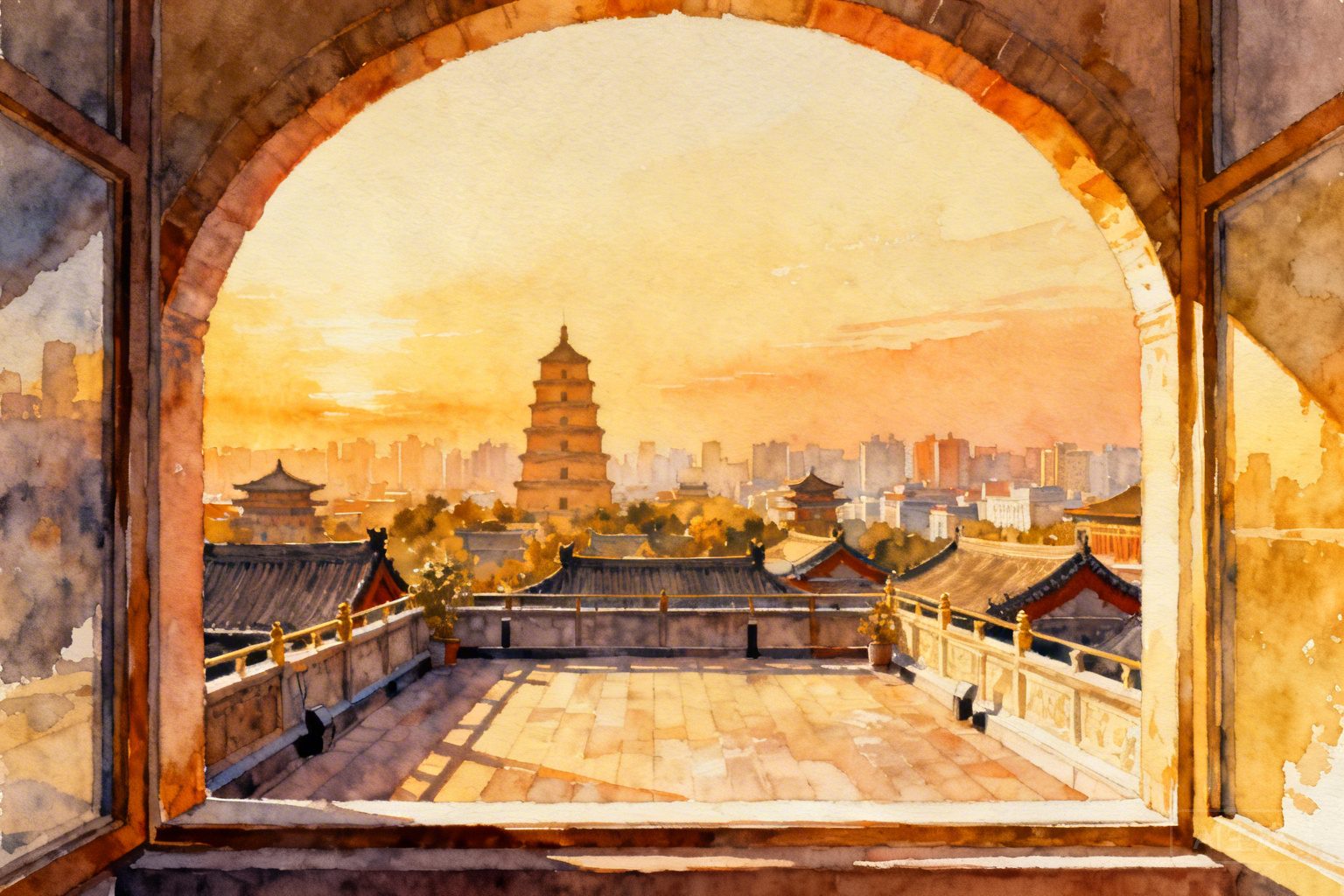
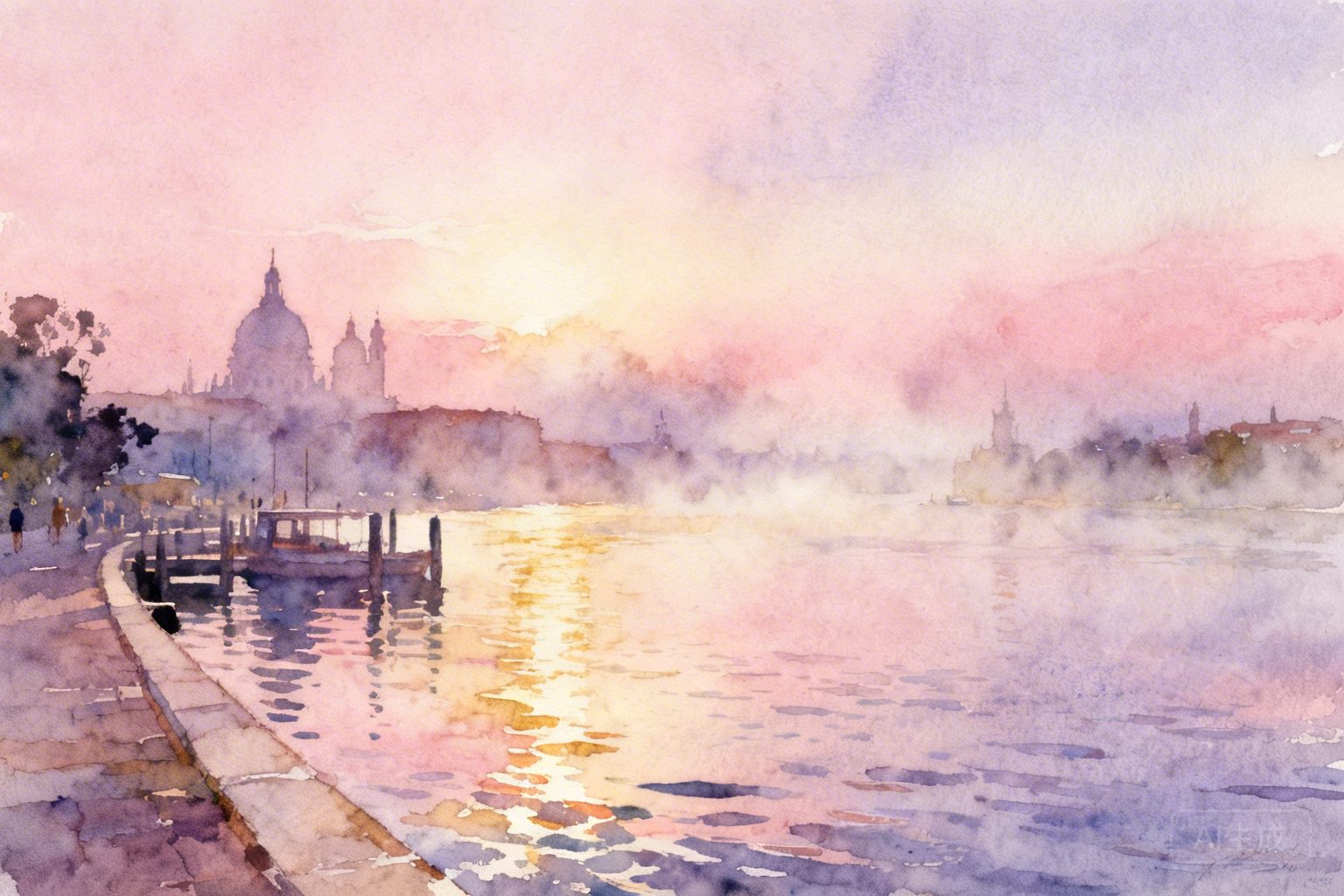
The dawn in Mexico City—CDMX, to those who have learned to breathe its thin, soot-flecked air—does not break so much as it bruises. It arrives in shades of violet and bruised apricot, a heavy, velvet light that rests upon the volcanic stones of the Zócalo. At 7,350 feet, the air is a thief; it steals your breath before you’ve even tightened the laces of your running shoes. To be active here is not merely to exercise. It is to engage in a kinetic negotiation with a monster that is part Spanish colonial artifice, part Aztec ghost, and part 21st-century sprawl. It is a city that demands movement because to stand still is to be swallowed by the sheer, tectonic pressure of twenty-two million souls.
The scent of the morning is specific: charred corn husks, damp concrete, and the metallic tang of a thousand sputtering exhaust pipes. I began my journey in the shadows of the Metropolitan Cathedral, where the leaning walls tell the story of a city slowly sinking into the muddy memory of Lake Texcoco. Here, the thrill is not just in the movement, but in the realization that you are walking on water—or at least, the ghost of it.
1. The Sunday Pilgrimage: Ciclotón on Paseo de la Reforma
Every Sunday, the city performs a miracle of urban planning. It severs its main artery, the Paseo de la Reforma, and hands it over to the people. No engines. No screeching tires. Only the rhythmic whir-click of bicycle chains and the slap of sneakers against asphalt.
I joined the flow near the Angel of Independence, her gold leaf blinding in the 10:00 AM sun. To my left, a frantic office worker in Lycra, his face a mask of corporate stress being sweated out, hammered at the pedals of a carbon-fiber road bike. To my right, a grandmother on a rusted Schwinn, a basket of marigolds strapped to the front, moved with the unbothered grace of a tectonic plate. The texture of the road here is a map of history; you feel the vibration of the cobblestones through your handlebars, a jarring reminder of the Porfirian era’s obsession with Parisian elegance. The wind at the corner of Calle Rio Lerma is always three degrees cooler, a draft pulled down from the mountains that smells of eucalyptus and cold stone.