Top 10 Things You Must Do in Beijing – The Ultimate Local Experience!
The Gilded Dust of the Northern Capital
Beijing does not greet you; it encroaches upon you. It is a city of massive, geometric impositions—gray stone, glass monoliths, and the red-ochre walls of a dynastic ghost—all swirled together in a perpetual haze that smells faintly of coal smoke, expensive perfume, and fried cumin. To touch Beijing is to feel the grit of the Gobi Desert beneath your fingernails while standing on a platform of high-speed maglev technology. It is a place where the 15th century and the 22nd century are currently engaged in a slow-motion collision.
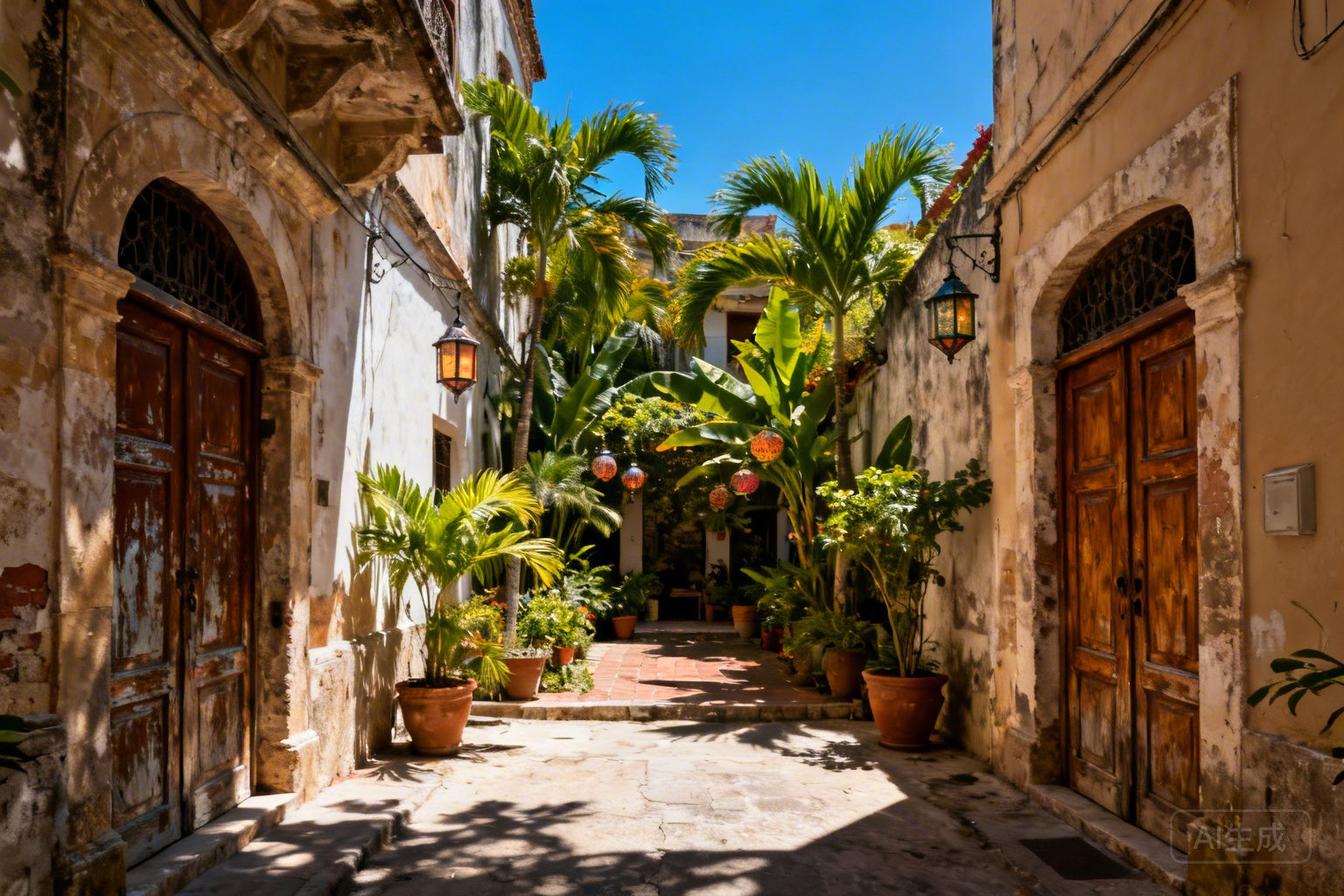
To find the “local experience” here is not to follow a map, but to follow the sound of clicking mahjong tiles and the scent of rendered lamb fat. It is a city that requires you to be comfortable with the scale of the monumental and the intimacy of the microscopic. You must be willing to get lost in the hutongs—those capillary-like alleyways that keep the city’s heart beating beneath its concrete skin.
1. The Dawn Liturgy at the Temple of Heaven
At 6:15 AM, the air in the Tiantan Park is thin and brittle, like frozen silk. The Temple of Heaven is not merely a collection of circular wooden structures held together without a single nail; it is a spiritual gymnasium. Before the tour groups arrive with their neon hats and megaphone-wielding guides, the park belongs to the retirees. They are the true custodians of the capital.
Here, a man in a faded navy Mao suit performs calligraphy on the pavement using a giant brush soaked in plain water. His characters—fluid, ephemeral masterpieces—evaporate in the morning sun before he even finishes the stanza. Nearby, a group of women with permed hair and vibrant scarves dance the yangge to a tinny recording of 1980s pop music. Their movements are synchronized with a terrifying, joyful precision. You see a silent monk, or perhaps just a man who has decided that silence is the only rational response to the modern age, leaning against a 500-year-old juniper tree. He stares at the sky, his skin as weathered as the bark he touches. The wind here carries the scent of pine needles and the distant, metallic screech of the Line 5 subway train.