Top 10 Things You Must Do in Manila – The Ultimate Local Experience!
The Hum of the Great Intramuros Gong
To enter Manila is to surrender the very concept of a linear timeline. It is a city built in layers of scar tissue and gold leaf, a place where the humidity doesn’t just sit on your skin—it weightily introduces itself, smelling of diesel fumes, jasmine garlands, and the ozone that precedes a tropical downpour. You do not simply “visit” Manila; you navigate its contradictions. It is a sprawling, chaotic masterpiece of urban survival, a megalopolis that has been razed by fire, flattened by war, and resurrected in a frantic, neon-lit improvisation.
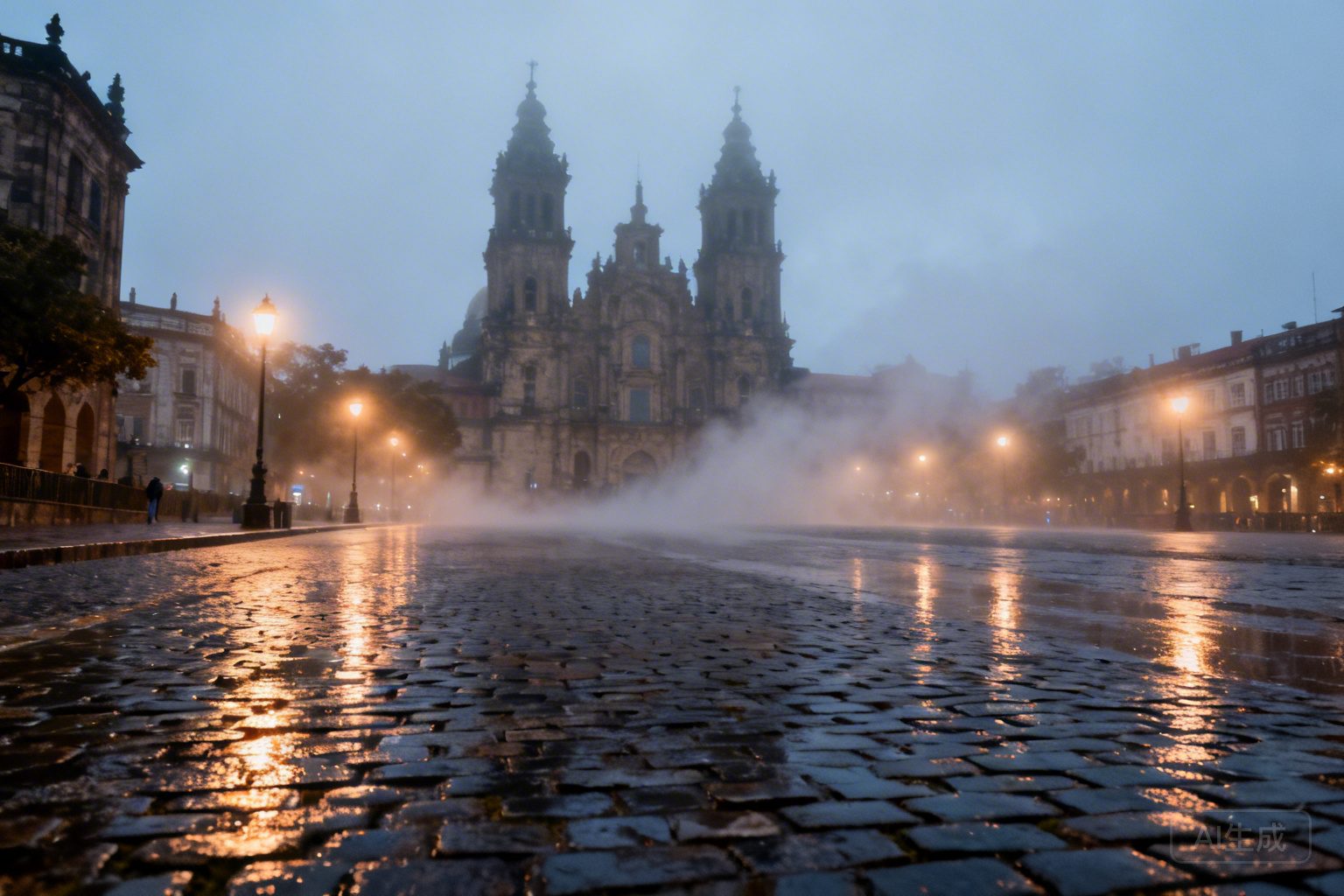
Forget the sanitised malls of the suburbs. To find the pulse, you must start where the stone remembers the sound of Spanish spurs. Intramuros, the Walled City, is the architectural ghost of a colonial dream. Walking through the Postigo del Palacio at seven in the morning, the air is thick with the scent of damp moss and the exhaust of a passing calesa—the horse-drawn carriages that serve as the district’s rhythmic heartbeat. The paint on the heavy wooden doors of the colonial houses isn’t just peeling; it is flaking away in tectonic plates of ochre and viridian, revealing layers of history that date back to the 16th century.
1. Get Lost in the Shadows of San Agustin
Inside the San Agustin Church, the oldest stone church in the country, the silence is heavy, ancient, and slightly cool. It is a Baroque fortress that has survived seven major earthquakes and the savage bombardment of 1945. Look up. The trompe l’oeil ceiling isn’t carved stone; it is a masterful deception of paint, a trick of light and shadow executed by Italian artisans in the late 1800s. In the corner of the nave, I see a silent monk. He is a study in stillness, his brown habit worn thin at the elbows, his fingers moving over wooden beads with a mechanical grace that suggests he has forgotten the world outside the stone walls. The air here tastes of beeswax and centuries of prayers. It is the first “must”—not for the Instagram photo, but for the realization that Manila is a city that refuses to stay buried.
Outside, the heat begins its slow, vertical climb. The sun hits the cobblestones of Calle Real with a blinding, white intensity. Here, the character of the city shifts. You encounter the student, a frantic girl in a starched white uniform, balancing a stack of architectural blueprints and a plastic cup of iced coffee, her brow beaded with perspiration as she dodges a wandering tour group. The contrast is the point. The ancient stone provides the backdrop; the frenetic youth provides the energy.