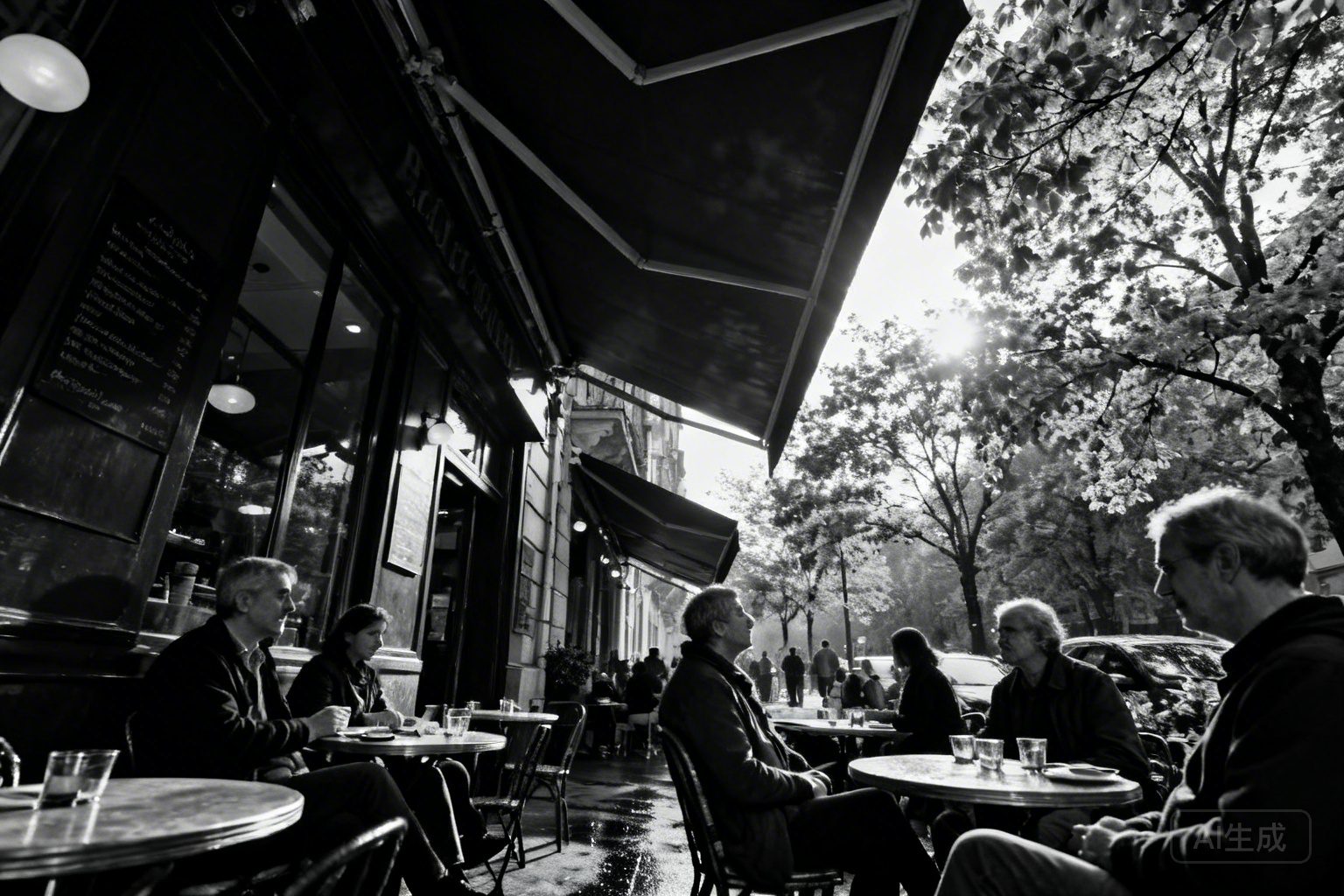
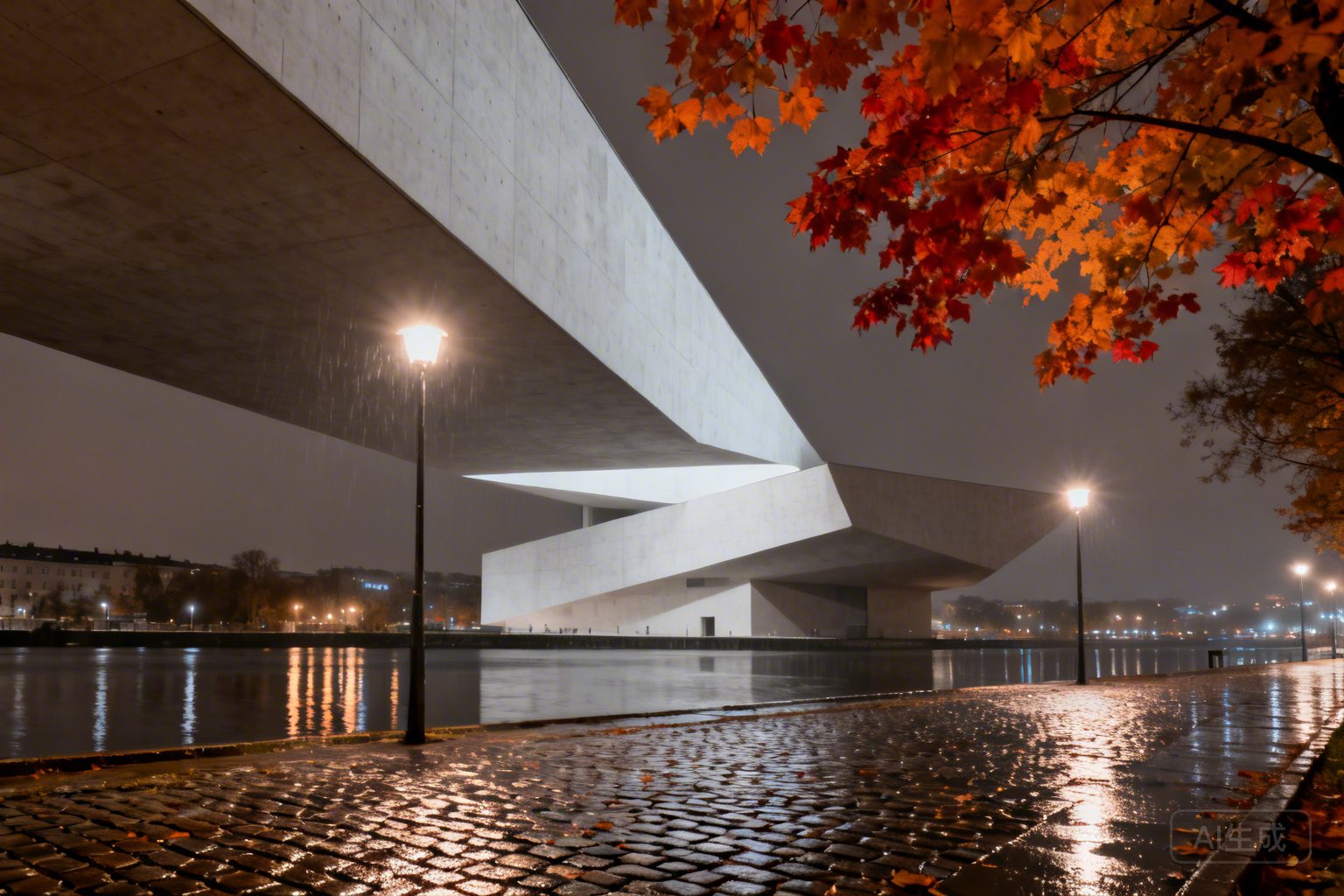
What the Guidebooks Don’t Tell You: 10 Dark Secrets of Brisbane!
The Humid Underworld of the River City
I’ve been living in Brisbane—or “Meanjin” if you’re paying attention—for six months now. The guidebooks usually sell you on the South Bank lagoons and the overpriced boutiques of James Street. They tell you it’s a “big country town.” That’s a lie designed to keep the property prices stable. The reality is a sprawling, subtropical fever dream where the humidity clings to you like a desperate ex and the crows sound like they’re mocking your life choices. To live here properly, you have to embrace the damp and the distance.
I didn’t come here to see the koalas. I came here to disappear into the cracks between the heritage-listed facades and the brutalist concrete. If you want to actually belong here, you need to stop looking at the river and start looking at the back alleys. This is a city of secrets, unwritten rules, and specific ways of surviving the 3 PM thunderstorm.
The Unwritten Rules of the Meanjin Shuffle
Before we get into the dirt, you need to know how to act. Brisbane people are deceptively friendly, but they have a low tolerance for “big city” arrogance. If you’re coming from Sydney or Melbourne, drop the ego at the border. Here, eye contact with the bus driver is mandatory, and saying “thank you” as you tap off with your Go Card is the bare minimum of human decency.
Tipping? Don’t do it. Unless you’re at some high-end spot in the CBD and the service was life-changing, tipping just confuses the staff and marks you as a tourist. Queueing is a religion here, especially for coffee. If there’s a line at a hole-in-the-wall window in an alleyway, you stand in it. You don’t ask how long it’ll take; you just wait for the barista (who likely has more tattoos than you have personality traits) to call your name.