What the Guidebooks Don’t Tell You: 10 Dark Secrets of Dubai!
The Gold-Plated Mirage
I’ve been living out of a carry-on bag in Dubai for six months now. Not the “Palm Jumeirah villa” kind of living, but the “finding a desk at 2 AM in a dusty corner of Al Barsha” kind of living. The guidebooks portray this place as a sterile, high-end mall where everything smells like expensive oud and air conditioning. They tell you about the Burj Khalifa and the fountains, but they don’t tell you how to actually exist here without losing your soul—or your entire savings—within a week.
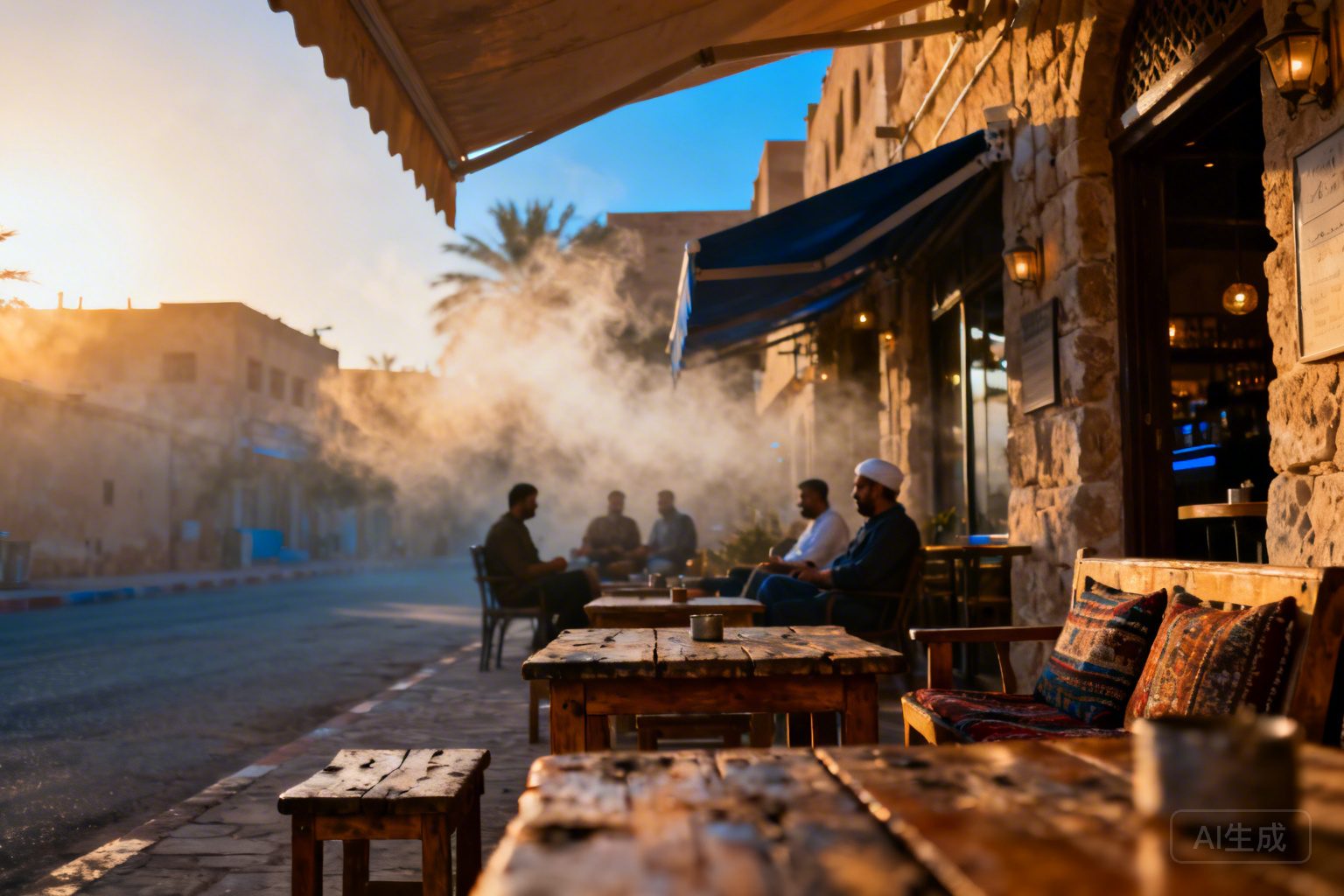
To disappear here, you have to understand that Dubai is not one city. It’s a collection of loosely connected city-states, each with its own gravity. If you spend all your time in Downtown or Dubai Marina, you aren’t living in Dubai; you’re living in a simulation. The real city is found in the humidity of the creek, the neon-lit cafeterias of Satwa, and the industrial labyrinths of Al Quoz. Here are the secrets they don’t want you to know, and the mechanics of how to actually survive the desert as a ghost.
1. The Secret of the “Laborer’s Feast”
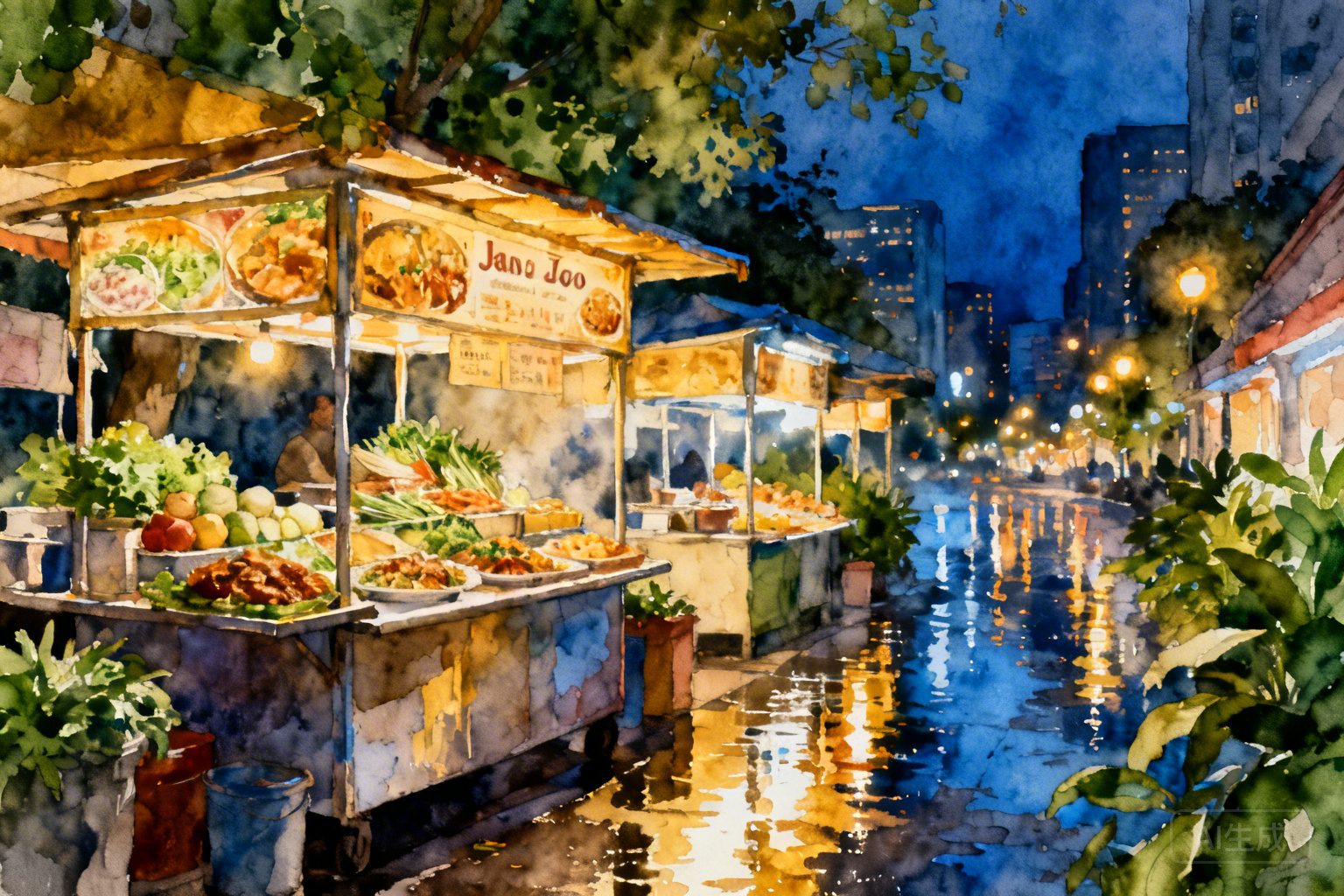
The first dark secret is that the best food in the city isn’t in a building designed by a starchitect. It’s on a plastic plate in a back alley. If you see a place called a “Cafeteria”—usually with a name like *Blue Sky* or *Golden Falcon*—go in. Ignore the menu of 400 items. Order a “Francis” or a “Zinger.” It’ll cost you 12 dirhams ($3), it’ll be wrapped in foil, and it’ll be the best meal of your life. The secret is the “Computer Rice” (Mandi) shops where you sit on the floor. If you aren’t eating with your hands alongside guys who actually built the towers you’re staring at, you haven’t arrived yet.
2. The Wi-Fi Ghost Protocol
Public Wi-Fi here is a trap. It usually requires a local UAE SIM card to receive an SMS code, and even then, the speeds are throttled to a crawl. If you’re a digital nomad, your life depends on **A47** in Al Quoz or the public libraries. But the real hack? The local “Baala” shops. Most small laundries and groceries have high-speed fiber for their CCTV systems. I once befriended a guy named Yusuf who ran a laundry in Deira. For the price of a daily Karak tea, he gave me his router password. I sat on a stack of folded linens for three weeks, pulling 200Mbps while the tourists at the Dubai Mall were fighting for a bar of signal.