What the Guidebooks Don’t Tell You: 10 Dark Secrets of Jakarta!
The Hum of the Big Durian: A Midnight Descent
The air in Jakarta doesn’t just hang; it clings. It is a humid, aromatic shroud that smells of clove cigarettes, scorched engine oil, and the sweet, fermented rot of tropical fruit. To arrive at Soekarno-Hatta after dark is to step into a pressurized chamber where the very atmosphere feels thick enough to carve. Most visitors—the briefcase-clutching consultants and the wide-eyed backpackers bound for the jungles of Sumatra—see only the polished granite of the airport and the sanitized glass of the Sudirman skyscrapers. They follow the guidebooks to the National Monument, snapping photos of a marble obelisk that reaches for a sky it can rarely see through the haze. But the guidebooks are sanitized maps for the faint of heart. They omit the city’s pulse—the rhythmic, dark, and beautiful tremors that define this sprawling megalopolis of thirty million souls.
Jakarta is not a city of sights; it is a city of secrets. It is a place where the 17th-century Dutch brickwork of Kota Tua is slowly being reclaimed by the brackish rising tides of the Java Sea, and where the glittering malls of Menteng sit atop a labyrinth of ghosts. To understand it, you must leave the air-conditioning. You must walk until your shirt is a second skin of salt and soot.
1. The Sinking Ghost of Batavia
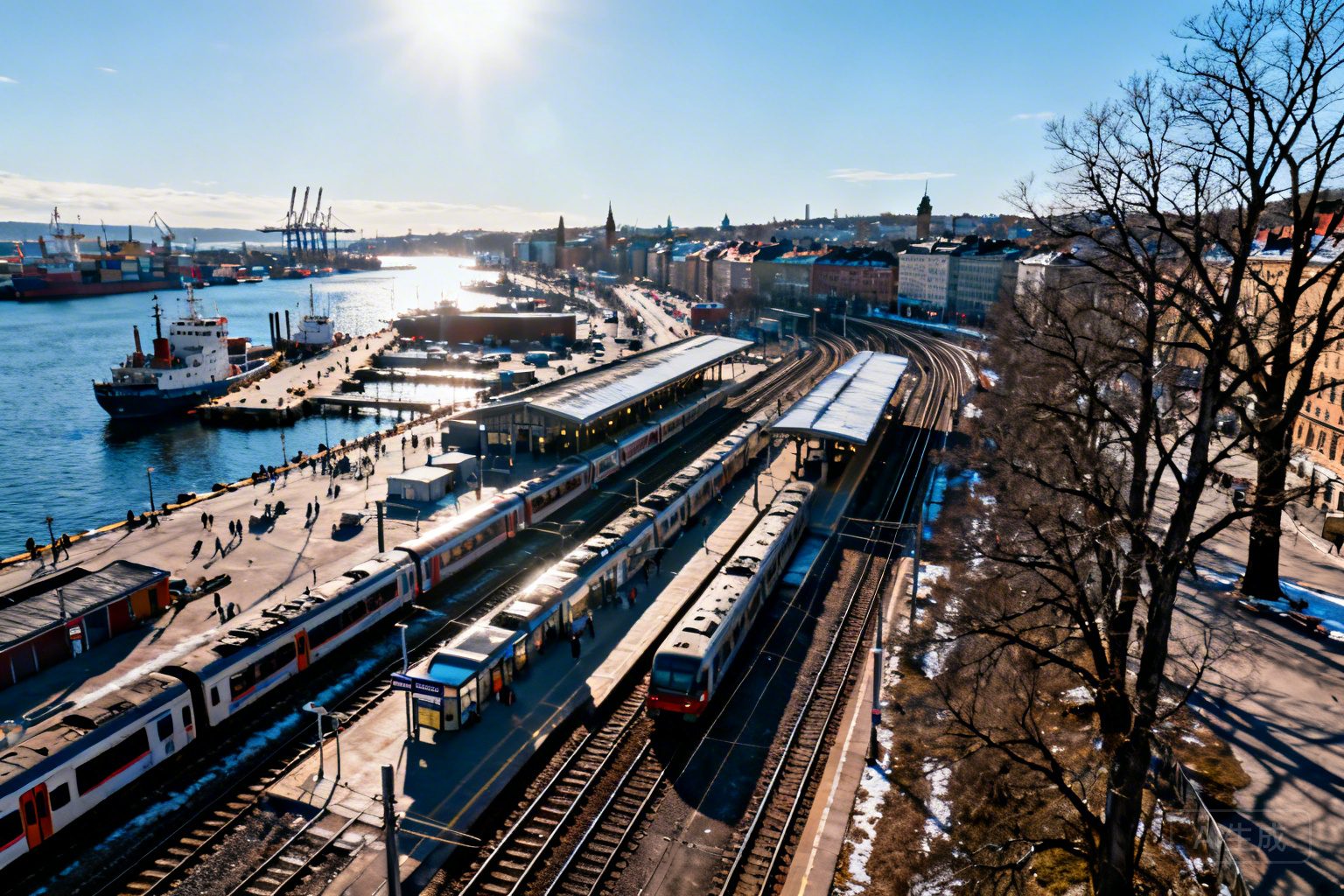
In the far north, where the city meets the sea, the world is literally drowning. The guidebooks mention Kota Tua as a “charming colonial district,” but they fail to mention the smell of the Muara Baru waterfront—a sharp, metallic tang of stagnant brine and industrial runoff. Here, the 100-year-old doors of the spice warehouses are no longer vertical. The paint peels in thick, leathery curls, revealing wood that has rotted into the texture of damp peat. This is the first secret: Jakarta is a modern Atlantis. The city is sinking faster than any other major capital on earth, a slow-motion catastrophe visible in the cracked tiles of the Sunda Kelapa harbor.
I watched a harbor worker—a man with skin the color of burnished teak and hands mapped with deep, grease-stained lines—effortlessly hoist a sack of cement onto a schooner that looked as though it had been built in the era of Joseph Conrad. He didn’t look at the water encroaching on the seawall. For him, the city’s disappearance was not a headline; it was the rhythm of his life. The wind here carries a specific pitch, a low, mournful whistle as it whips through the gaps in the corrugated iron roofs. It is the sound of a city exhaling its final breaths before the waves take it back.