What the Guidebooks Don’t Tell You: 10 Dark Secrets of Luang Prabang!
The Gilded Cage of the Mekong
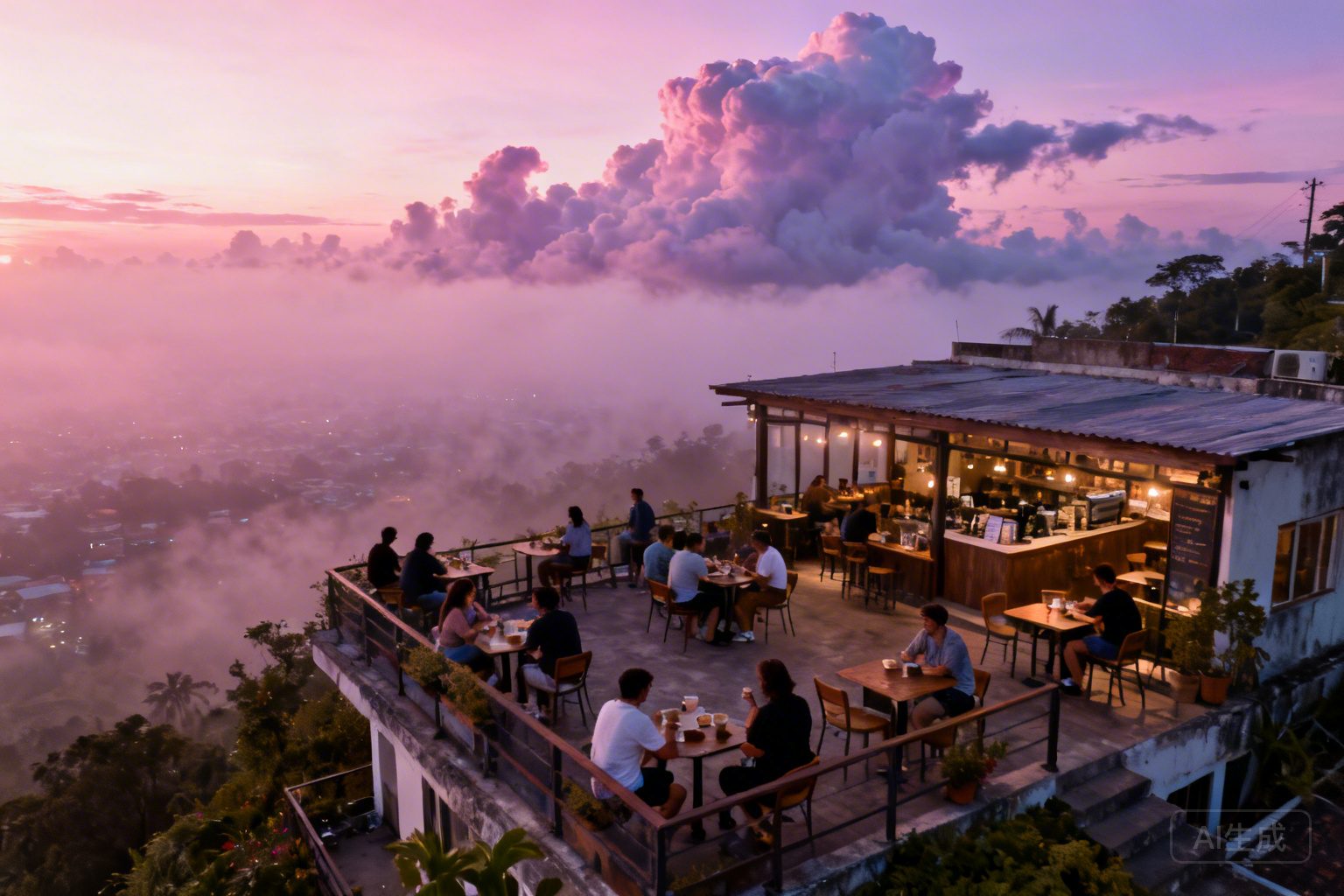
The dawn in Luang Prabang does not break; it hemorrhages. A bruised violet light seeps over the Phousi Hill, spilling across the corrugated tin roofs and the French-colonial shutters that have swollen shut from a century of humidity. To the casual observer—the one clutching the dog-eared guidebook with the colorful spine—this is the soul of Southeast Asia, a preserved specimen of Indochine elegance. But as I sit on a low plastic stool at a corner stall near the Wat Mai, watching the mist rise off the Mekong like steam from a cooling corpse, I realize the postcards have lied through their teeth. They give you the saffron, but they omit the shadow.
The air tastes of charcoal smoke and wet teak. It is a thick, tactile atmosphere that clings to your skin like a damp wool coat. A silent monk passes, his robes a flash of marigold against the grey-streaked lime plaster of a crumbling villa. He does not look up. His eyes are fixed on a point three feet ahead, a practiced indifference to the digital shutters clicking in his periphery. This is the first thing the guidebooks don’t tell you: the piety here has become a performance, a heavy mantle worn by boys who would rather be scrolling TikTok than collecting sticky rice from a phalanx of German retirees.
I. The Ghost in the Teak
Luang Prabang is a city of layers, a palimpsest of conquest and quietude. The architecture is a frantic dialogue between the local Lao vernacular and the haughty masonry of the French Protectorate. Notice the peeling paint on a 100-year-old door in the Ban Wat Sene district. The turquoise pigment is flaking away in jagged, topographical maps, revealing the raw, silvered wood beneath. It is beautiful, yes, but it is the beauty of decay. The “Dark Secret” here is the preservation law itself. UNESCO status is a gilded cage; residents are forbidden from using modern materials, forced to live in drafty museums of the 1920s while the foundations rot in the monsoon mud.
I watch a brusque waiter at a riverside café. He moves with a jagged, resentful efficiency, slamming a glass of Lao coffee onto a zinc tabletop. He is tired of the heritage. He is tired of the tourists who come to photograph his “simplicity” while he struggles to find the parts to fix a leaking roof that must, by international decree, be tiled in a specific, archaic clay. The city is being hollowed out. The locals are moving to the outskirts, replaced by boutique hoteliers who speak of “authenticity” while charging three hundred dollars a night for the privilege of sleeping in a dead man’s bedroom.