What the Guidebooks Don’t Tell You: 10 Dark Secrets of Saint Petersburg!
The Amber and the Arsenic: A Midnight Vigil in the Venice of the North
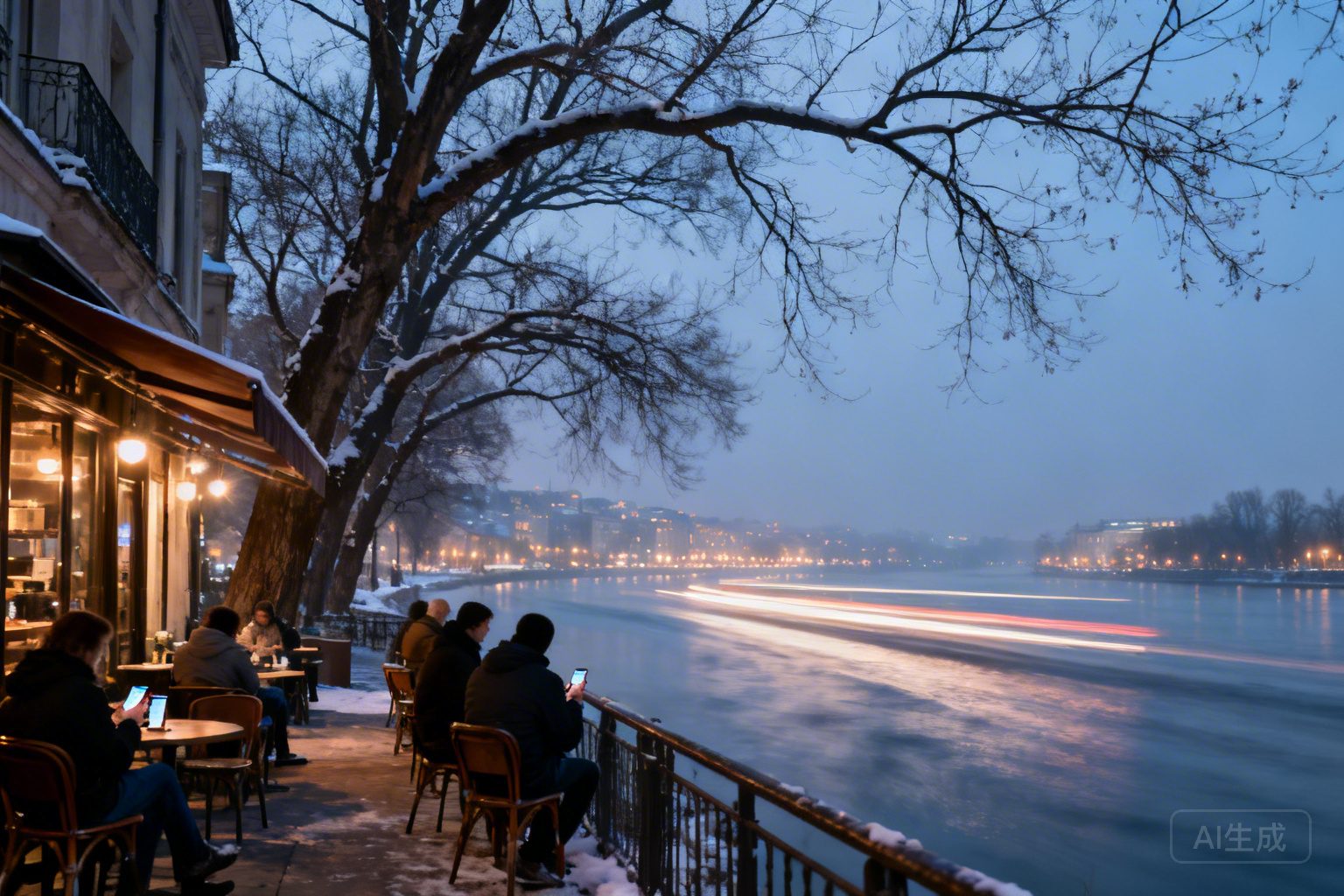
The Neva does not flow; it broods. By mid-November, the water has the consistency of liquid mercury, heavy and silver-gray, reflecting a sky that feels less like an atmosphere and more like a low-hanging velvet shroud. I stood at the edge of the English Embankment, the wind biting through my wool coat with the precision of a surgeon’s scalpel. To your left, the Bronze Horseman rears his stallion toward an invisible horizon, his verdigris skin weeping streaks of oxidized copper. To your right, the city stretches out in a fever dream of neoclassical symmetry and imperial hubris.
The guidebooks—those glossy, pocket-sized lies—will tell you of the Hermitage’s gold leaf and the rhythmic clicking of heels on the parquet floors of the Winter Palace. They speak of the “White Nights” as if the sun’s refusal to set is a romantic gift rather than a celestial taunt that drives the local populace toward a quiet, twitching madness. But Saint Petersburg is a city built on a swamp of corpses, a granite miracle conjured by a giant who hated the very soil he stood upon. There is a vibration here, a low-frequency hum that suggests the entire city might, at any moment, simply slide back into the muck from whence it came.
1. The Foundation of Bone
The first secret is silent, buried beneath the very cobblestones that rattle the teeth of passing Mercedes-Benzes. Peter the Great didn’t just build a city; he performed a mass sacrifice. Tens of thousands of serfs and Swedish prisoners of war died in the initial construction, their skeletons forming the literal aggregate for the foundations of the Peter and Paul Fortress. When you walk down Nevsky Prospekt, you are walking atop a mass grave that stretches for miles.
I met a man near the Sennaya Square metro station who embodied this subterranean weight. He was a “dvornik”—a street sweeper—named Mikhail, with hands that looked like gnarled ginger roots and eyes the color of a frozen puddle. He didn’t speak; he grunted, a sound that seemed to come from his boots rather than his throat. He moved his broom with a rhythmic, violent devotion, scraping at a patch of blackened ice as if trying to exhume a memory. In Saint Petersburg, the ground is never just ground; it is a repository of unavenged toil.