What the Guidebooks Don’t Tell You: 10 Dark Secrets of Salzburg!
The Salt-Stained Shadow of the Alps
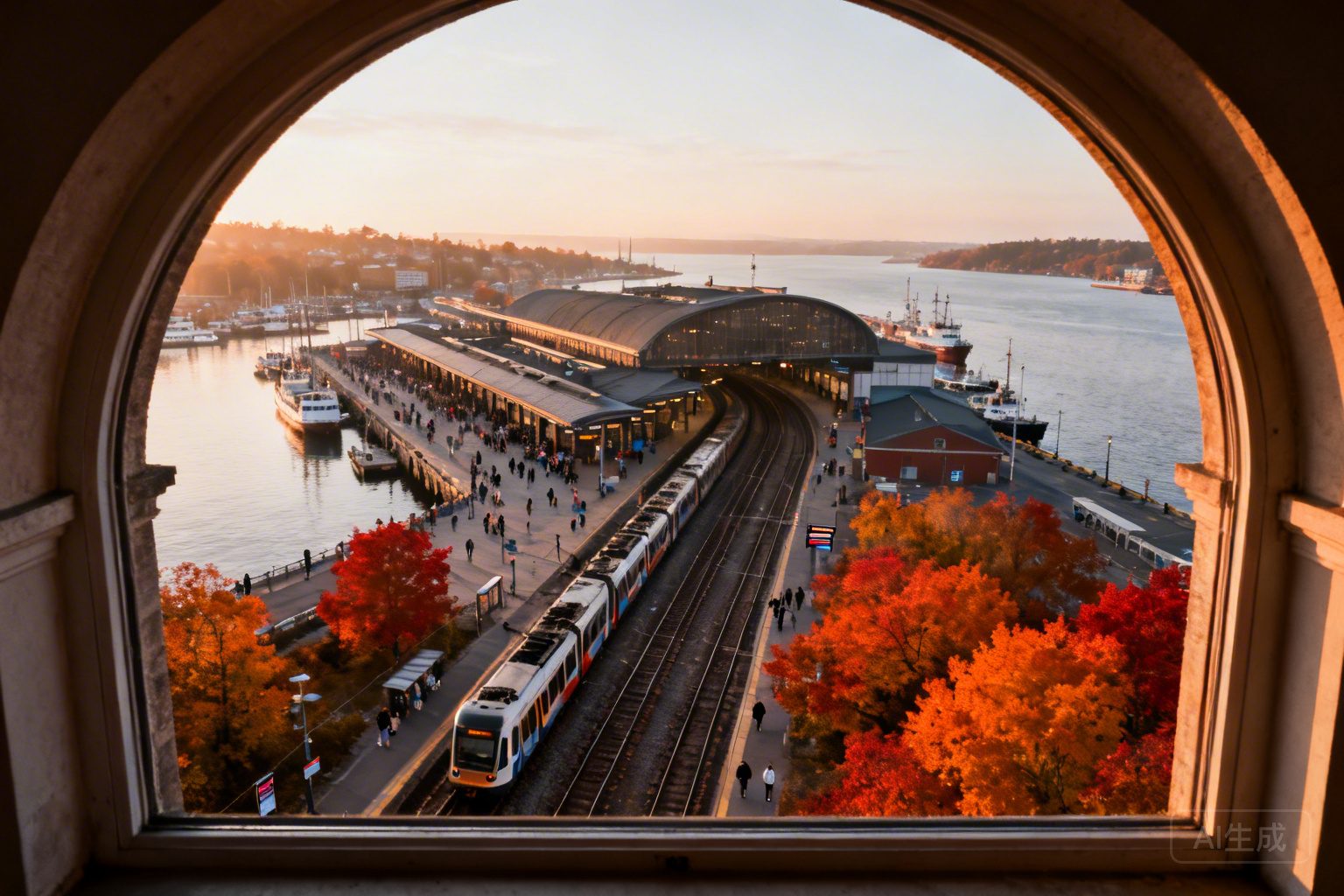
The train from Munich decelerates with a metallic shriek that feels too violent for a city marketed as a velvet-lined jewelry box. Salzburg greets you not with a chorus of “The Sound of Music,” but with the smell of wet slate and the biting, antiseptic chill of the Salzach River. Most travelers arrive with a checklist of baroque facades and Mozart-themed marzipan, their eyes glazed with the expectation of a postcard come to life. They see the spires; they do not see the hooks from which the history hangs.
I stepped onto the platform as the evening light turned the color of a bruised plum. To the left, the Festung Hohensalzburg fortress loomed, a white-stone monolith that felt less like a monument and more like a lid pressed down on a boiling pot. This is the secret of Salzburg: it is a city built on the wealth of “white gold”—salt—but maintained by a centuries-old obsession with silence. The guidebooks will tell you it is the “Rome of the North.” They won’t tell you that Rome was built on blood, and Salzburg was built on salt, ice, and a very deliberate kind of forgetting.
1. The Echo of the Horse Pond
At the Pferdeschwemme, the royal horse pond carved into the rock face near the festival hall, the water was stagnant, a mirror of dark jade reflecting the frescoed steeds that gallop across the back wall. A tourist from Ohio was fumbling with a selfie stick, his neon-orange windbreaker a sensory assault against the gray Karst stone. He didn’t notice the way the water lapped against the mossy rim—a rhythmic, wet slap that sounded like a tongue against a tooth.
The guidebooks mention this as a decorative masterpiece for the Prince-Archbishops’ cavalry. They don’t mention the “Horses of the Apocalypse” folklore that locals still whisper about when the mist rolls off the Mönchsberg. Legend says that during the Great Plague, the horses didn’t just drink here; they drowned their riders in fits of sudden, collective madness. The air here is four degrees colder than the surrounding street. It smells of wet limestone and old, unwashed iron. As I stood there, a waiter from a nearby café—white apron stiff with starch, eyes like two flat buttons—flicked a cigarette butt into the water. It didn’t splash. It just vanished into the green.