What the Guidebooks Don’t Tell You: 10 Dark Secrets of San Jose!
The Gilded Bone: A Descent into the Underbelly of San José
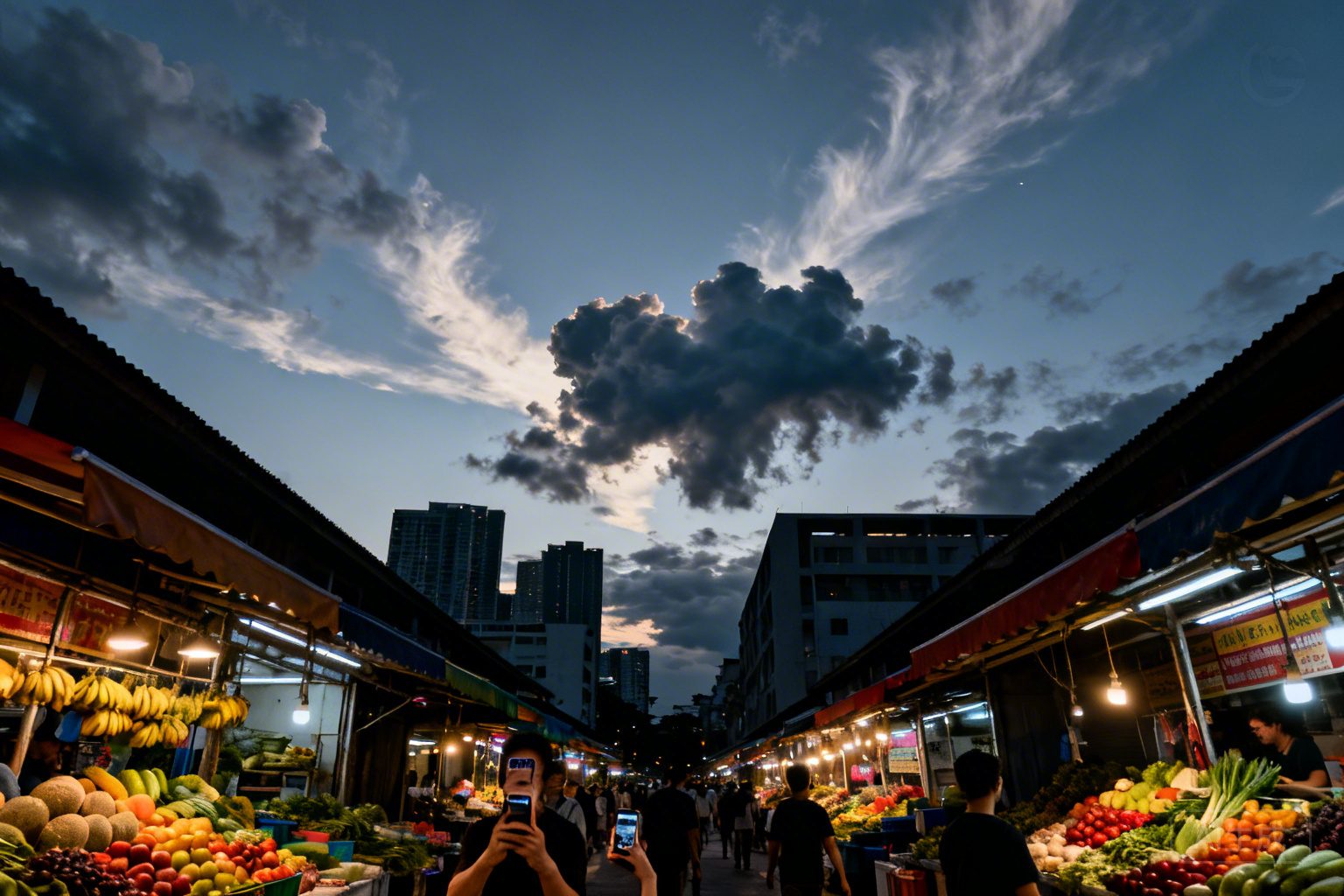
The dawn in San José does not break; it hemorrhages. A bruised, violet light spills over the jagged peaks of the Cordillera Central, illuminating the diesel haze that clings to Avenida Central like a damp wool blanket. To the uninitiated—the tourists clutching their glossy, lime-green guidebooks—this is merely a frantic transit hub, a necessary purgatory one must endure before the zip-lines of Monteverde or the surf-breaks of Santa Teresa. They see the fast-food chains and the corrugated tin roofs. They see the surface. But the city has a secondary pulse, a rhythmic thrumming felt only by those who linger long enough to smell the peculiar scent of roasting coffee beans mingling with the metallic tang of drying blood in the butcher’s stalls of the Mercado Central.
I stood on the corner of Calle 2, watching a frantic office worker in a polyester suit that had surrendered to humidity three hours prior. He was vibrating with a caffeine-induced tremor, clutching a leather briefcase as if it contained the secret blueprints to the city’s soul. He didn’t look at the sky. No one here looks at the sky. In San José, the truth is buried in the cracks of the sidewalk, hidden behind the rust-bloomed gates of the Barrio Amón, and whispered in the alcoves of churches that have seen too many earthquakes to believe in a merciful god.
1. The Architecture of Deception
The guidebooks will extol the virtues of the National Theatre, calling it the “Jewel of San José.” They aren’t wrong, but they miss the specific, chilling irony of its birth. The marble was imported from Carrara, the gold leaf from France, all funded by a tax on coffee that bled the peasantry dry while the elite sat in velvet seats watching European operas they barely understood. If you run your hand along the exterior stone, the texture is surprisingly abrasive, like a cat’s tongue. It is a monument built on the sweat of men who never saw the inside of its doors.
Walk three blocks north, and the grandeur curdles. Here, the Victorian mansions of the 19th-century coffee barons are rotting from the inside out. I watched a brusque waiter at a nearby soda—a man with fingers like thick chorizos and an apron stained with the ghosts of a thousand gallo pintos—throw a bucket of gray water onto the street. He didn’t look up. He didn’t have to. The city’s history is a cycle of building and discarding, a relentless march toward a modernity that never quite arrives.