What the Guidebooks Don’t Tell You: 10 Dark Secrets of Valparaíso!
The Ghost in the Machine: Living Valparaíso Beyond the Postcard
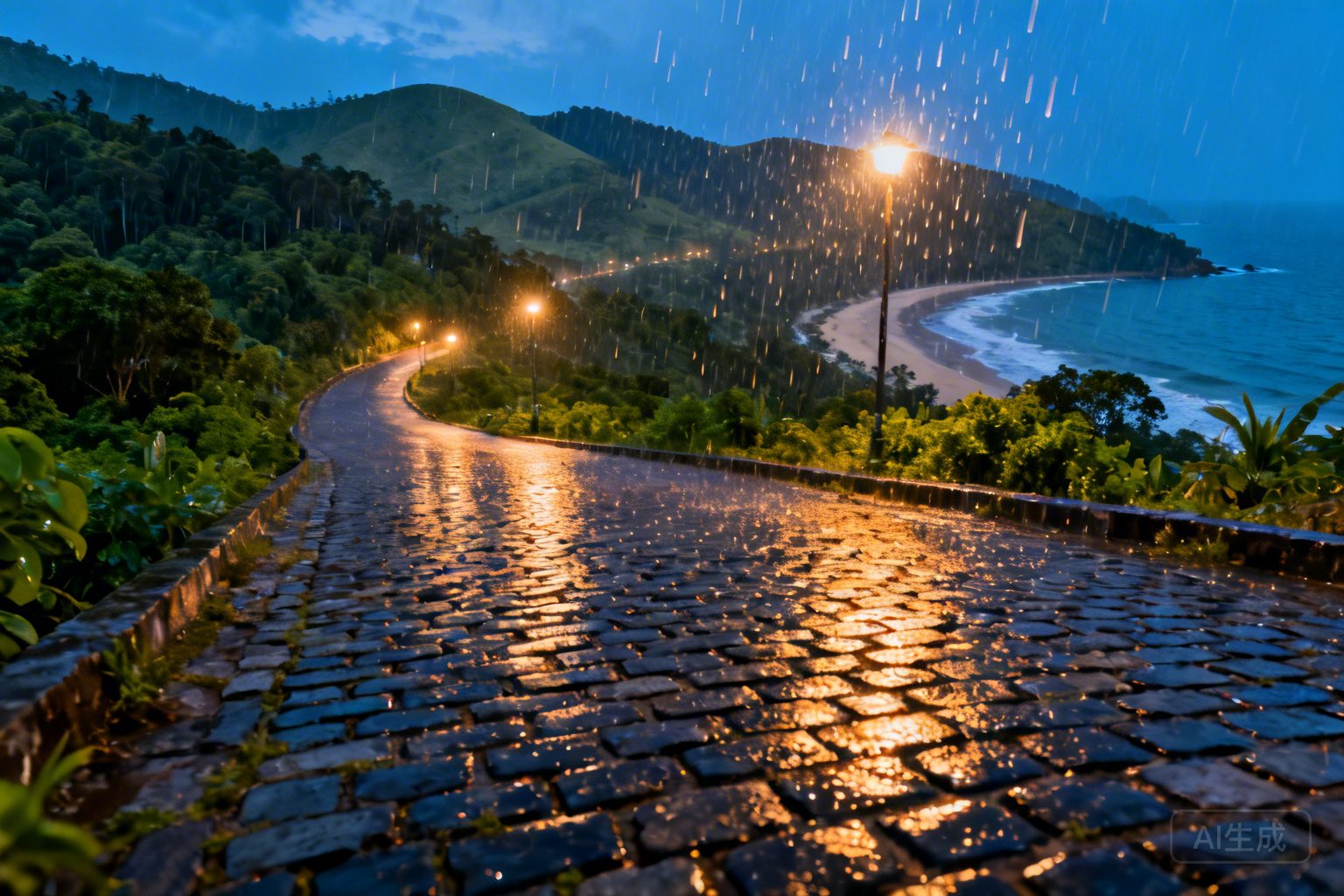
Most people arrive in Valparaíso, take a photo of a colorful mural on Cerro Alegre, ride the Artillería funicular, eat a mediocre plate of chorrillana, and leave thinking they’ve seen the “Jewel of the Pacific.” They haven’t seen a damn thing. I’ve been living here for six months, perched in a drafty apartment where the floorboards groan like a sinking ship, and I can tell you: this city is a fever dream. It is a vertical labyrinth of salt-crusted bricks, stray dogs with more charisma than local politicians, and a social fabric held together by sheer stubbornness and cheap wine.
To “disappear” here, you have to shed the tourist skin. You have to stop looking at the murals and start looking at the moss in the cracks of the stairs. You have to understand that Valparaíso isn’t a city you visit; it’s a city you survive until it finally accepts you. Here is the grit, the boredom, and the “dark” secrets that the glossy guidebooks are too polite to mention.
1. The Myth of the “Safe” Hill
The guidebooks tell you to stay on Cerro Alegre and Cerro Concepción. They say these are the “safe” areas. The secret? That’s where the professional muggers hang out because they know that’s where the cameras are. If you want to actually live here, you need to head to the “edge” hills. I spent three weeks getting lost in Cerro Monjas. It’s quiet, residential, and has a terrifyingly beautiful view of the container ships at night. The secret to safety here isn’t a lock; it’s recognition. After my fourth day at the same almacén (corner store), the owner, Don Sergio, stopped charging me the “gringo tax” on avocados and started nodding when I walked by. Once the neighborhood grandmothers see you carrying your own groceries up 200 stairs, you’re invisible to the predators. You become part of the furniture.
2. The Architecture of Decay
The second secret: everything is breaking. Always. If you rent an Airbnb or a long-term “loft,” your water pressure will fail, your electricity will flicker during the camanchaca (the thick coastal fog), and your windows will rattle. I once spent three hours trying to fix a leak in my kitchen using only a piece of rubber from an old bike tire and a prayer. Local etiquette dictates that you don’t complain to the landlord—you find the local maestro. Every neighborhood has one. He’s usually a man named Jorge who smells of sawdust and Pisco. He will fix your sink for the price of a pack of cigarettes and a story about the 1906 earthquake. This is the “dark” side of the aesthetic—the city is literally dissolving into the sea, and your job is just to slow it down in your own square meter.