Where to Go When You’re Starving: Top Places to Eat in Asunción!
The Red Dust and the Scent of Toasted Corn
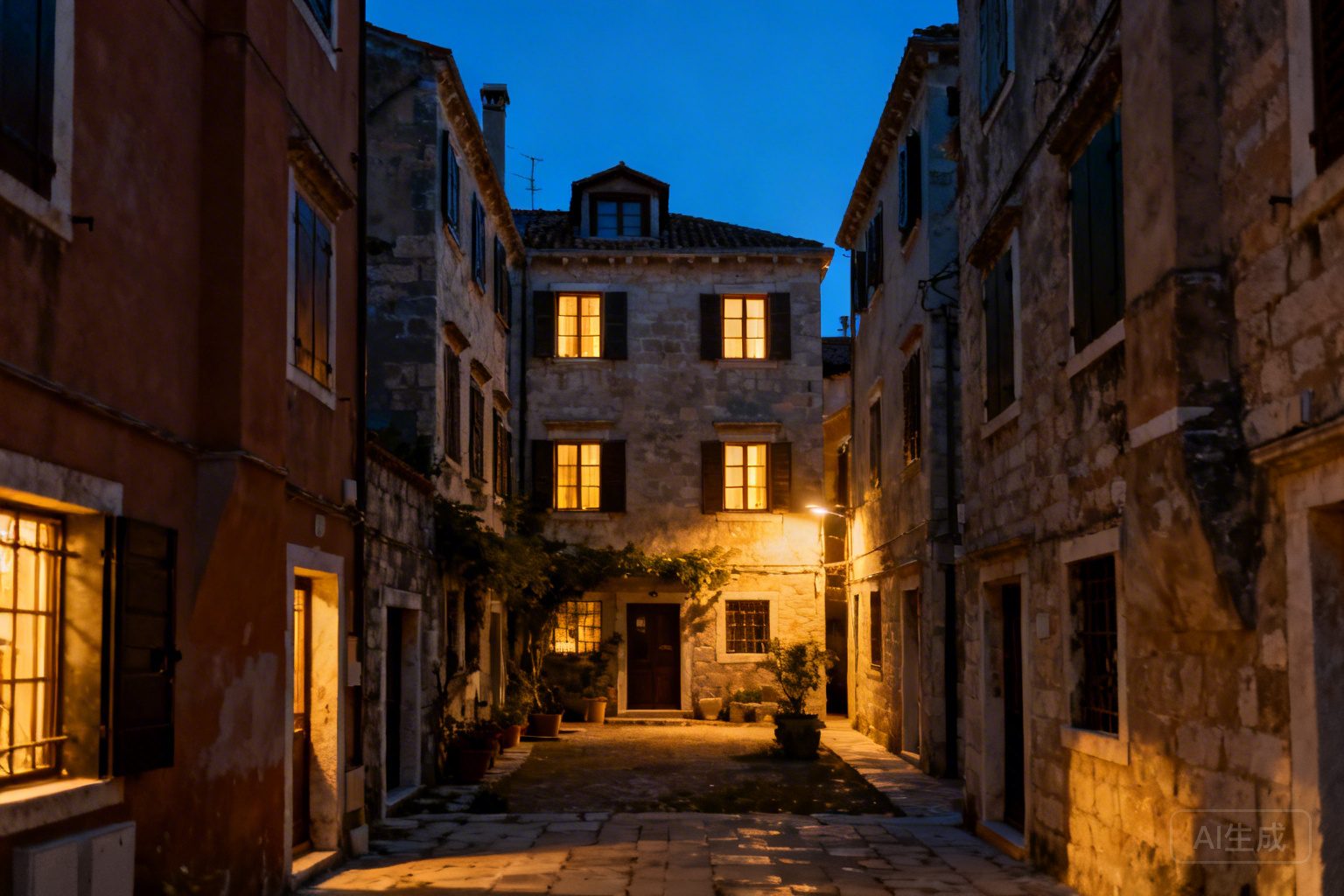
Asunción does not greet you; it stickily absorbs you. To arrive in the Paraguayan capital is to step into a humid, sepia-toned embrace, where the air tastes of scorched earth, diesel fumes, and the hauntingly sweet perfume of blooming jasmine. It is a city of shadows—long, jagged silhouettes cast by crumbling neoclassical facades and the sprawling, prehistoric limbs of Lapacho trees that erupt in defiant pinks and yellows against a bruised sky. Here, hunger is not merely a physical sensation; it is a navigational tool. You do not look for landmarks; you follow the scent of fat hitting hot coals.
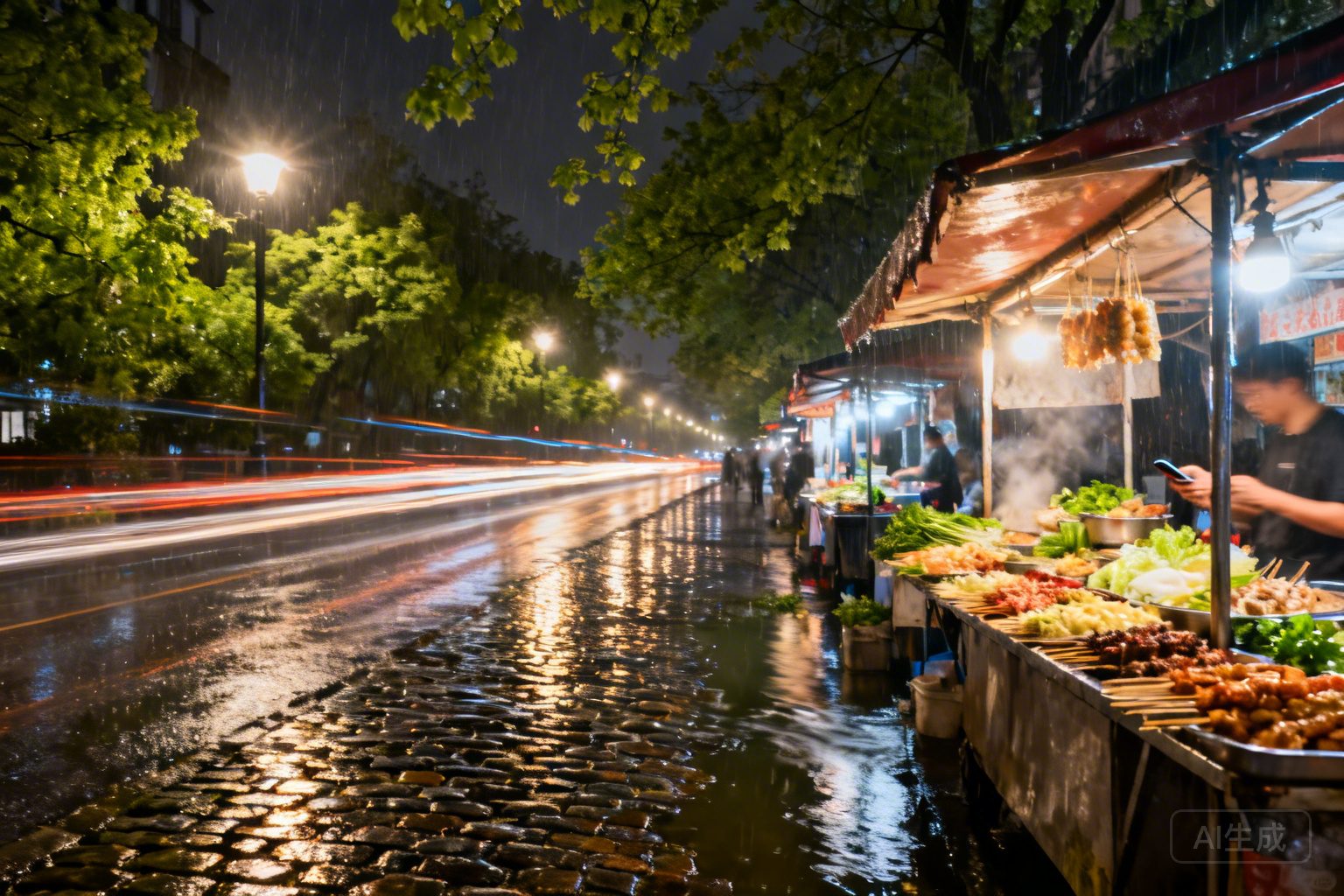
I began my pilgrimage at the Puerto de Asunción, where the Rio Paraguay flows like liquid lead, thick and inscrutable. The heat at 10:00 AM was already a physical weight, a damp wool blanket draped over the shoulders. On the corner of El Paraguayo Independiente, a woman sat perched on a plastic crate, her skin the color of polished mahogany, etched with lines that mirrored the cracked pavement. She was the guardian of the Chipa—that sacred, ring-shaped bread made of manioc starch and hard cheese. Her hands, nimble and rhythmic, wrapped the warm bread in thick paper. It was dense, salty, and smelled of woodsmoke. It is the bedrock of the Paraguayan gut. One does not eat Chipa for pleasure alone; one eats it to survive the relentless indifference of the tropical sun.
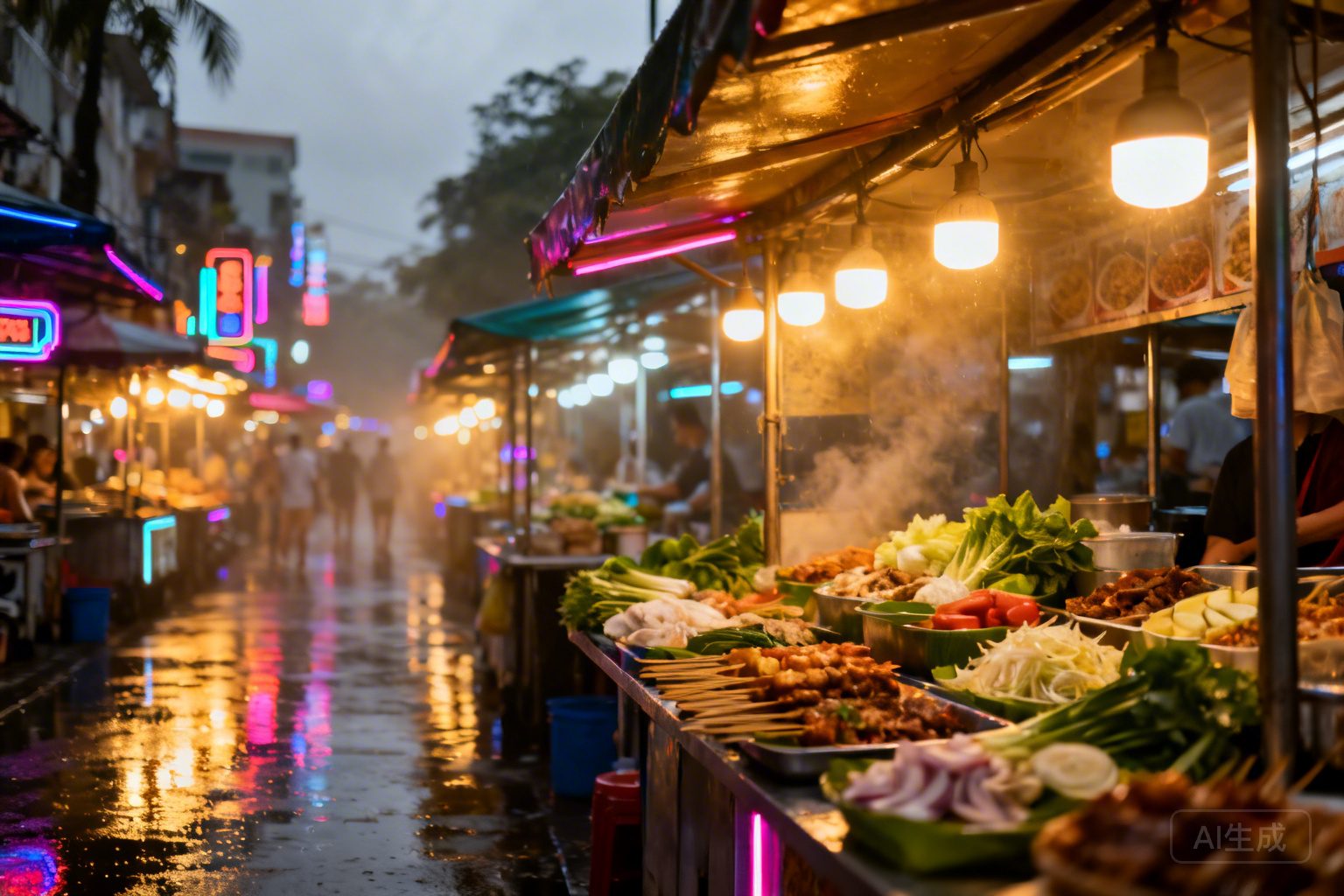
The street vendors here possess a specific vocal frequency—a melodic, nasal trill in Guaraní that cuts through the roar of idling buses. They don’t shout; they lament. It is a siren song for the starving.
The Architecture of the Midday Feast
Moving inland, the city shifts from the colonial ghost-tones of the port to the frantic, sweating pulse of the Microcentro. Here, the sidewalks are treacherous, a chaotic mosaic of loose tiles that spurt muddy water if stepped on incorrectly. I found myself drawn toward Lido Bar, an institution that occupies the corner facing the Panteón Nacional de los Héroes with the stubbornness of a fortress. To enter Lido is to step into a 1950s fever dream. The counter is a sweeping horseshoe of Formica, and the waiters wear starch-white jackets that seem miraculously immune to the humidity.