Where to Go When You’re Starving: Top Places to Eat in Beirut!
The City That Devours Itself
Beirut does not invite you to dinner; it pulls you into a frantic, smoke-filled embrace and demands you witness its hunger. It is a city of ghosts and gourmands, where the scent of charred lamb fat mingles with the salty, metallic tang of the Mediterranean. To arrive here with an empty stomach is not a logistical error; it is a spiritual necessity. You must be hollowed out to truly receive the weight of this place. The wind, whipping off the Corniche at 4:00 PM, carries the temperature of a cooling copper kettle—sharp enough to make you shiver, yet heavy with the humidity of a city that refuses to breathe through its nose.
I found myself standing at the intersection of Gemmayzeh and Mar Mikhael, where the architecture is a jagged collage of French Mandate elegance and the brutalist scars of more recent trauma. The paint on a hundred-year-old door to my left was peeling in large, brittle flakes the color of dried apricot, revealing the grey, petrified wood beneath. This is the texture of Beirut: a constant shedding of skins. A frantic office worker, his tie loosened like a noose and a cigarette vibrating between nicotine-stained fingers, pushed past me. He wasn’t walking; he was vibrating toward a destination only he could see. In Beirut, everyone is running toward a meal or away from a memory.
The Morning Altar: Hummus and the Hum of History
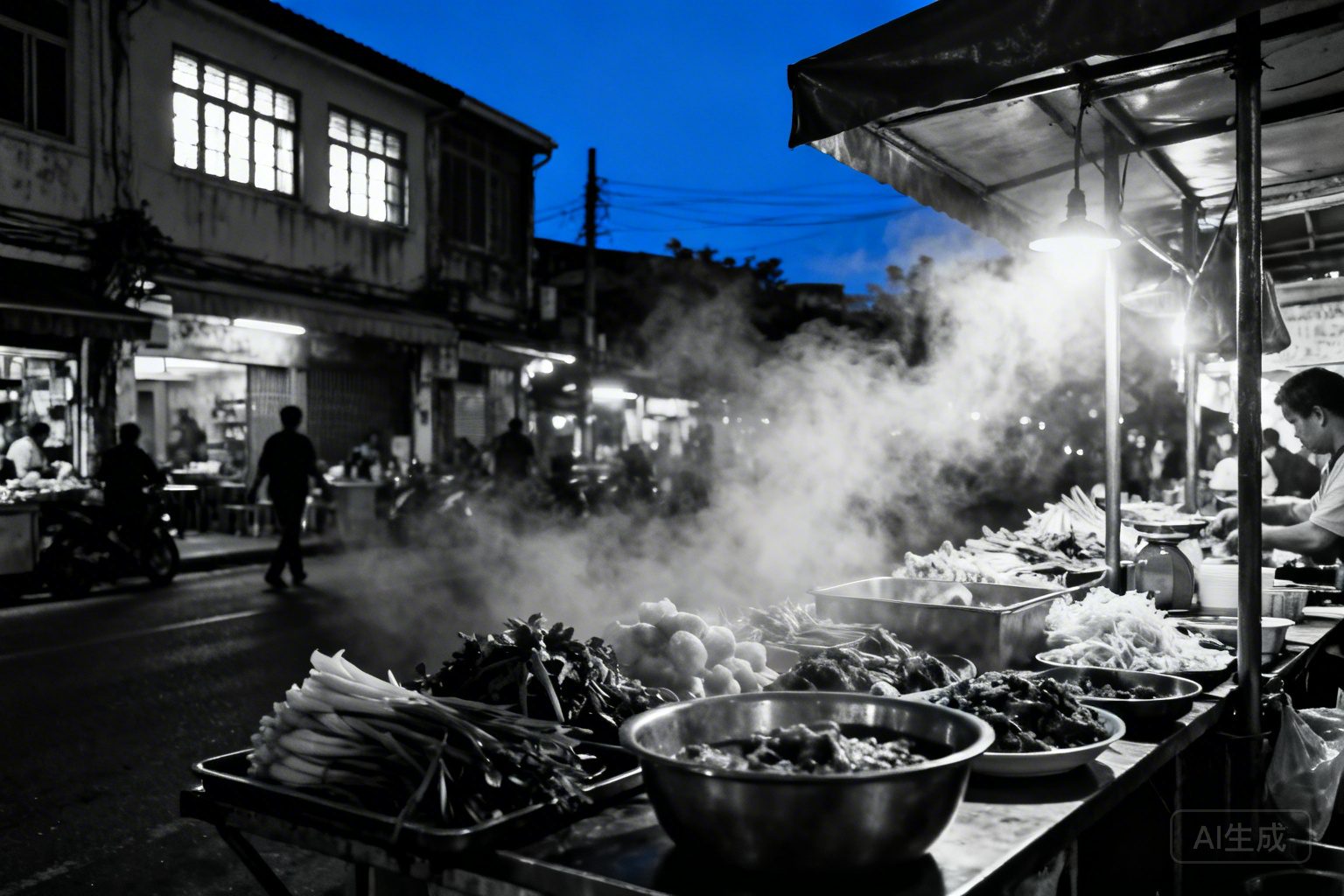
The journey begins not with a menu, but with a sound. The rhythmic, percussive thud-thud-thud of a heavy brass pestle hitting a mortar. This is the heartbeat of Al Soussi. Located in a narrow crevice of Sidani Street, this legendary breakfast spot is less a restaurant and more a site of pilgrimage. The air inside is thick, opaque with the steam from boiling chickpeas and the vaporized essence of garlic. It is a humidity that coats your lungs, a warm, vegetal fog.
I sat on a stool that had been repaired so many times with mismatched screws it felt like sitting on a pile of scrap metal. The waiter, a man named Mahmoud whose eyebrows were two thick, expressive caterpillars of charcoal grey, didn’t ask for my order. He simply looked at my face, registered the desperation, and returned with Fatteh. This is not the sanitized version you find in the sterile cafes of Dubai or London. This was a volcanic eruption of warm yogurt, fried pine nuts that snapped like glass between the teeth, and chickpeas so tender they dissolved into a nutty silt the moment they touched the tongue.