Where to Go When You’re Starving: Top Places to Eat in La Paz!
The Gravity of Altitude and Appetite
I didn’t choose La Paz; the city chose me because I couldn’t breathe anywhere else. There is a specific kind of light here—thin, sharp, and unforgiving—that hits the red brick buildings of the canyon walls at 4:00 PM and makes you feel like you’re living inside a copper bowl. When I first arrived, lugging a 70-liter pack and a Pelican case full of camera gear, I stayed in Sopocachi like every other digital nomad. But Sopocachi is a gilded cage. It’s lovely, sure, but if you want to actually disappear—to become a ghost in the high-altitude machinery of the Andes—you have to move. You have to go where the oxygen is thinner and the soup is thicker.
Living here for the last six months has taught me that hunger in La Paz isn’t a suggestion; it’s an emergency. At 3,600 meters (and up to 4,100 in El Alto), your metabolism is a furnace. You burn calories just by standing still and trying to oxygenate your blood. This guide isn’t about the “Top 10 Tripadvisor” spots. This is about where I go when the hunger headache sets in, where I wash my socks, and which corners of this vertical labyrinth actually feel like home.
1. Miraflores: The Working Class Pulse
Miraflores is where the city breathes. It’s flatter than most neighborhoods, home to the massive Hernando Siles Stadium, and it smells constantly of fried dough and diesel. It’s not “pretty” in a colonial sense, but it is functional. This is where you go when you’re starving because the portion sizes are designed for people who do manual labor, not people who take photos of their avocado toast.
The Feed: Mercado Miraflores
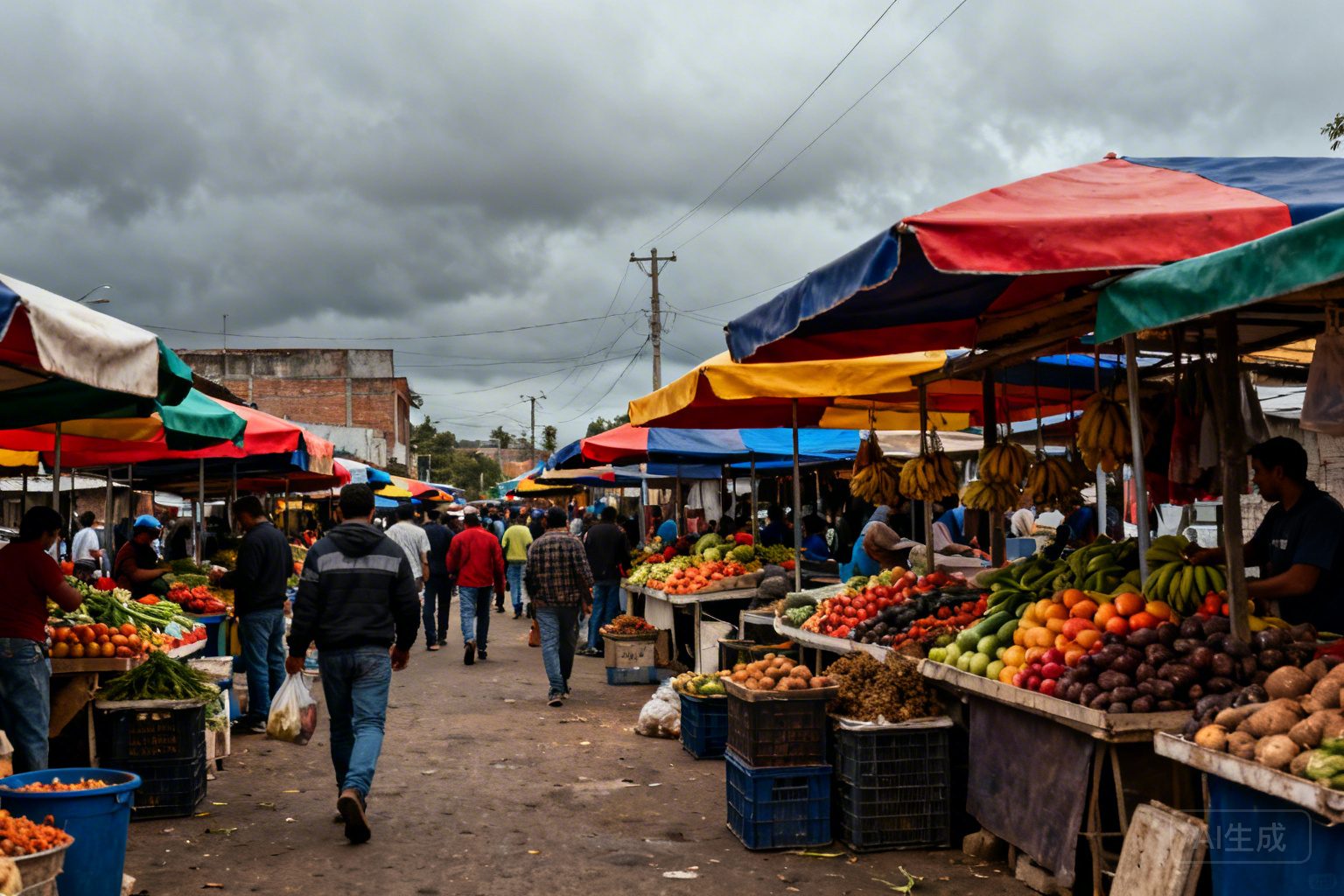
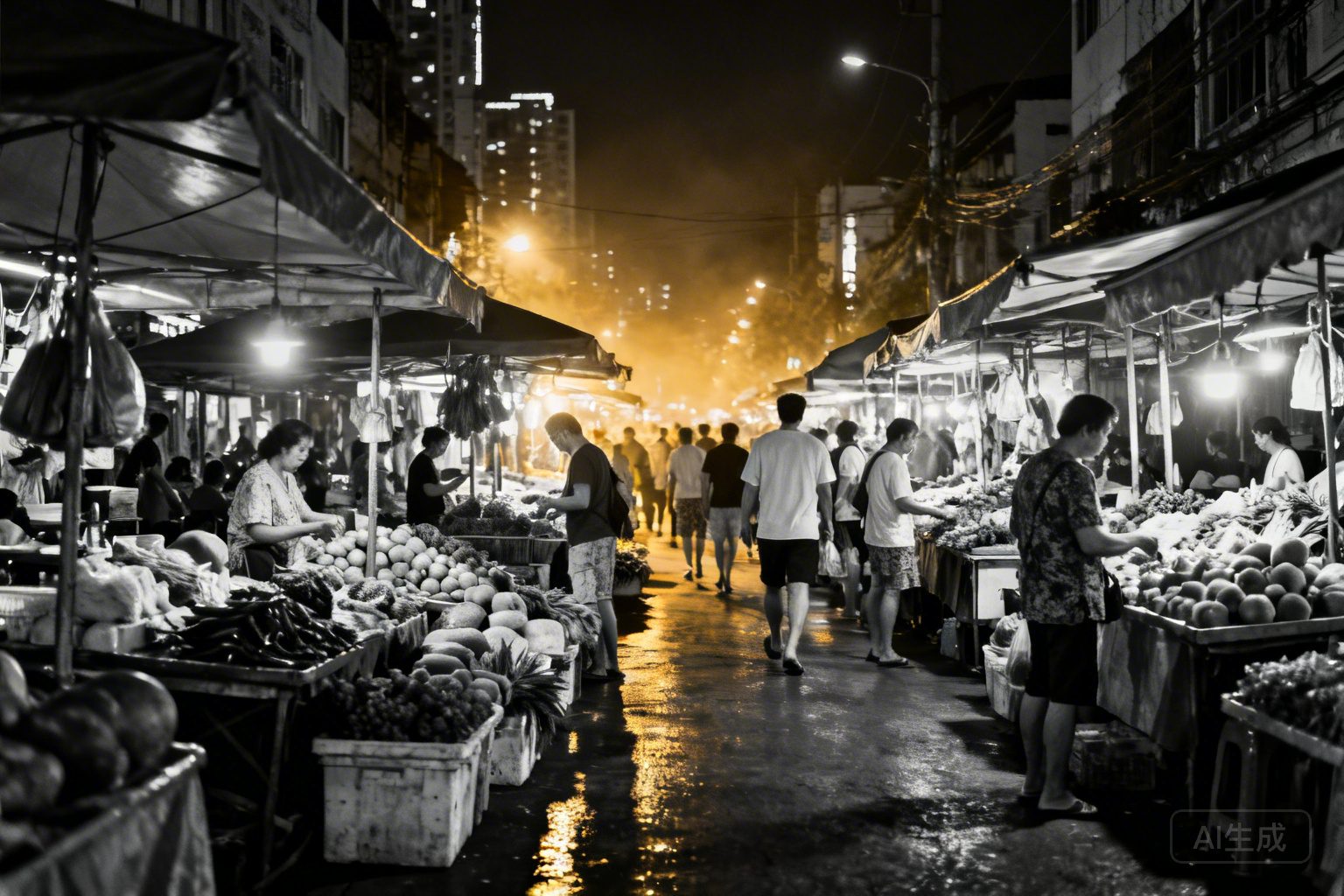
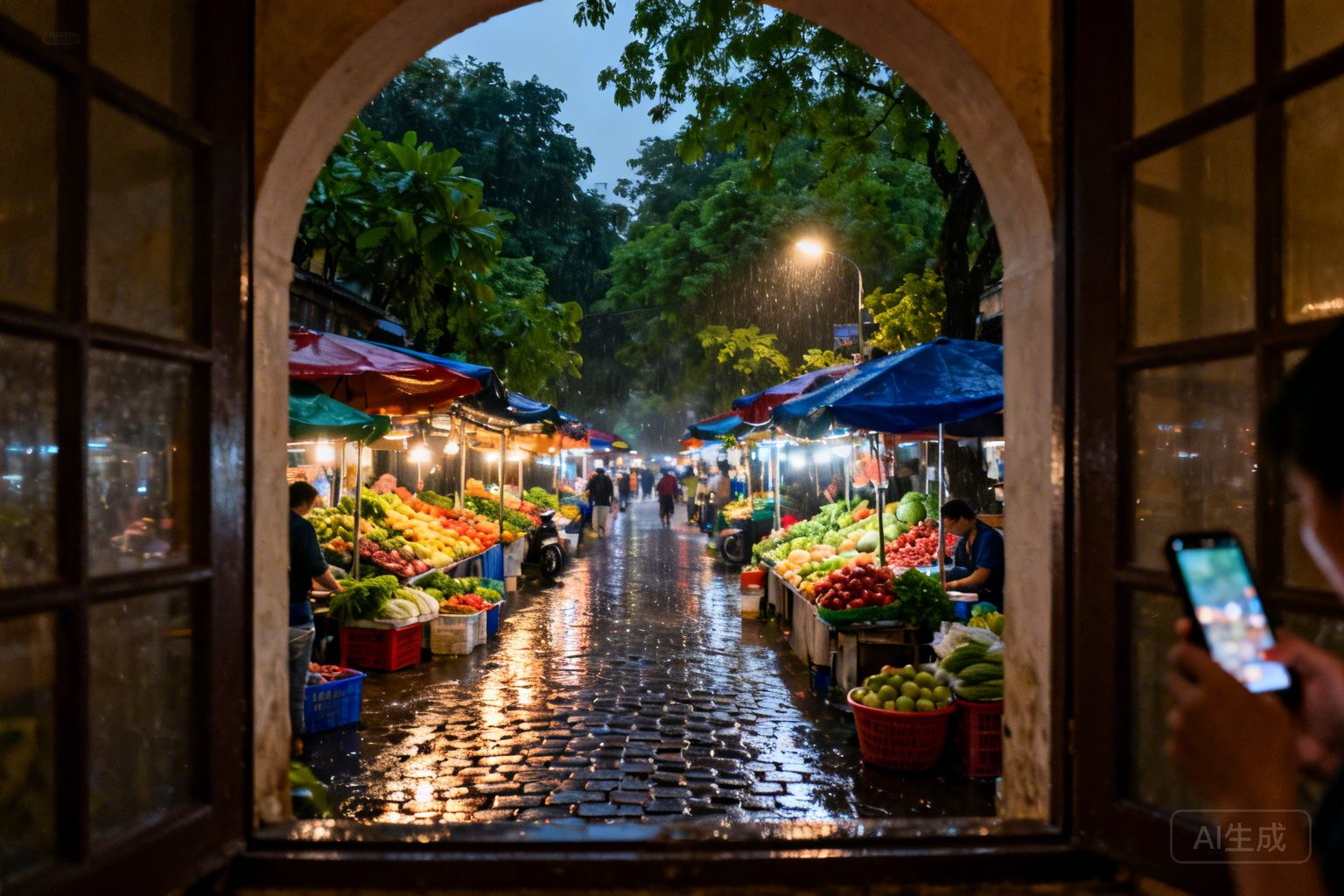
Forget the Mercado Central downtown; it’s too chaotic for a Tuesday morning. Go to the second floor of the Mercado Miraflores. Look for a stall run by a woman named Doña Mercedes—she’s been there for thirty years and wears a lime green cardigan regardless of the weather. Order the Fricasé. It’s a spicy pork stew made with chuño (dehydrated potatoes that look like dark pebbles) and massive kernels of white corn. It’s served at 10:30 AM because, in La Paz, Fricasé is the ultimate hangover cure and the only way to survive a long shift. It’s spicy enough to clear your sinuses and heavy enough to keep you full until dinner. Cost? About 25 Bolivianos ($3.50).