Where to Go When You’re Starving: Top Places to Eat in Mykonos!
The White-Washed Fever Dream
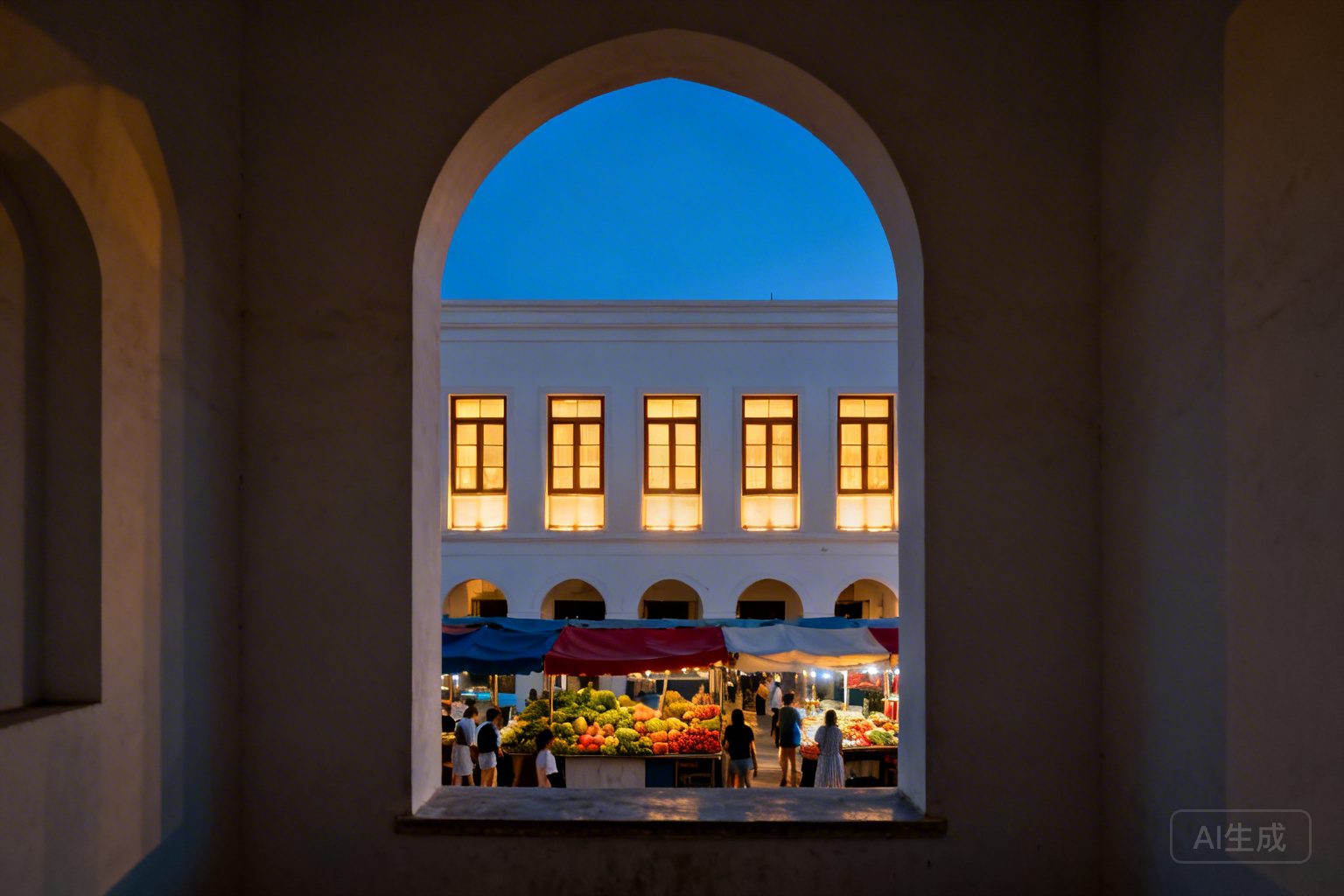
Mykonos is not a place you visit; it is a fever you catch. It begins as a low hum in the ears—the rhythmic slapping of the Aegean against the hull of the ferry—and escalates into a blinding, achromatic delirium. To arrive here at noon is to be assaulted by a light so aggressive it feels tactile, a bleached radiance that strips the nuance from the world and leaves only the skeletal truth of the Cyclades. The sun is a white hammer, and we are the anvils. But the hunger—that visceral, hollow ache that arrives after a morning of navigating the labyrinthine “Chora”—is what truly dictates the rhythm of the island. You do not eat here merely to survive; you eat to anchor your soul to the rock before the Meltemi wind blows you into the sea.
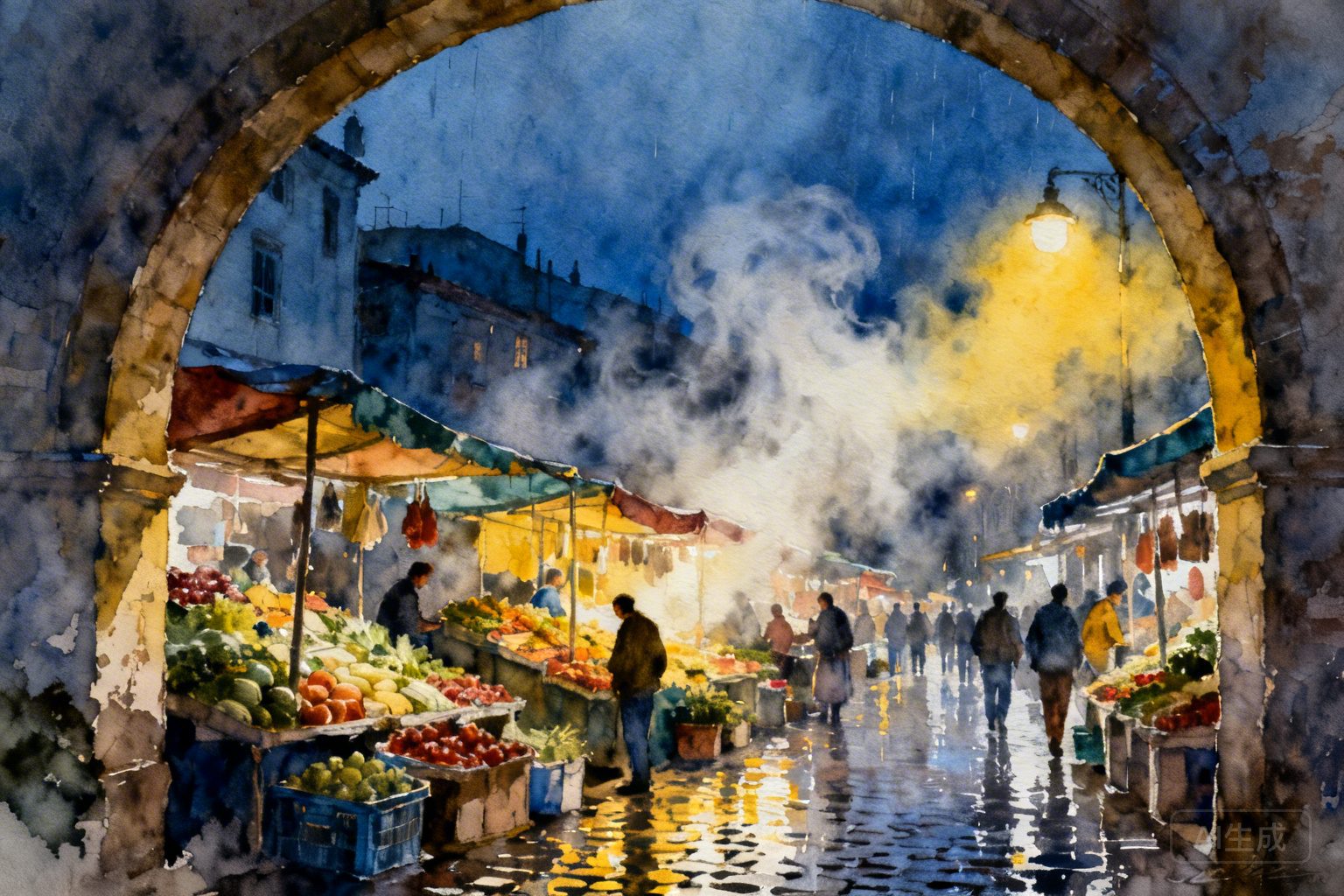
I stood at the corner of Matogianni Street, where the wind smells of expensive sunblock and drying octopus. The paint on the door of a nearby chapel, perhaps a century old, was peeling in thick, jagged flakes that looked like the scales of a prehistoric fish. A group of Italian tourists surged past, their linen shirts billowing like the sails of a stranded fleet, followed by a local priest—a man with a beard the color of storm clouds and a gaze that suggested he had seen the birth and death of at least three civilizations. He moved with a glacial indifference to the frantic digital nomads tapping away at their MacBooks in the nearby cafes. This is the duality of the island: the eternal and the ephemeral, colliding over a plate of grilled halloumi.
When the stomach begins its protest, the instinct is to flee the glitter of the harbor. You must find the shadow.
The Church of the Charcoal Grill
In the heart of the town, tucked away from the storefronts selling five-thousand-euro watches, sits a sanctum of smoke known to those who prioritize grease over glamour: Sakis Grill House. This is not a place for the faint of heart or the light of appetite. It is a theatre of rotating meat. The air here is heavy, thick enough to chew, saturated with the scent of rendering pork fat and wild oregano. The “soupsiere” (waiter) is a man named Kostas, whose face is a roadmap of late nights and espresso. He moves with a brusque, mechanical efficiency, slapping pita bread onto the flat top with the rhythmic violence of a card dealer in a high-stakes basement game.