Where to Go When You’re Starving: Top Places to Eat in San Jose!
The Ghost of the Gringo Trail
I’ve been in San Jose for four months now, and I still haven’t been to the Jade Museum. I’ve walked past the National Theatre a hundred times, and I couldn’t tell you what the inside looks like. People treat this city like a transit lounge—a dusty, chaotic stopover on the way to the beaches of Santa Teresa or the jungles of La Fortuna. They land at Juan Santamaría, complain about the traffic, and flee. They’re missing the point. San Jose isn’t a postcard; it’s a living, breathing creature that demands you slow down and sweat a little.
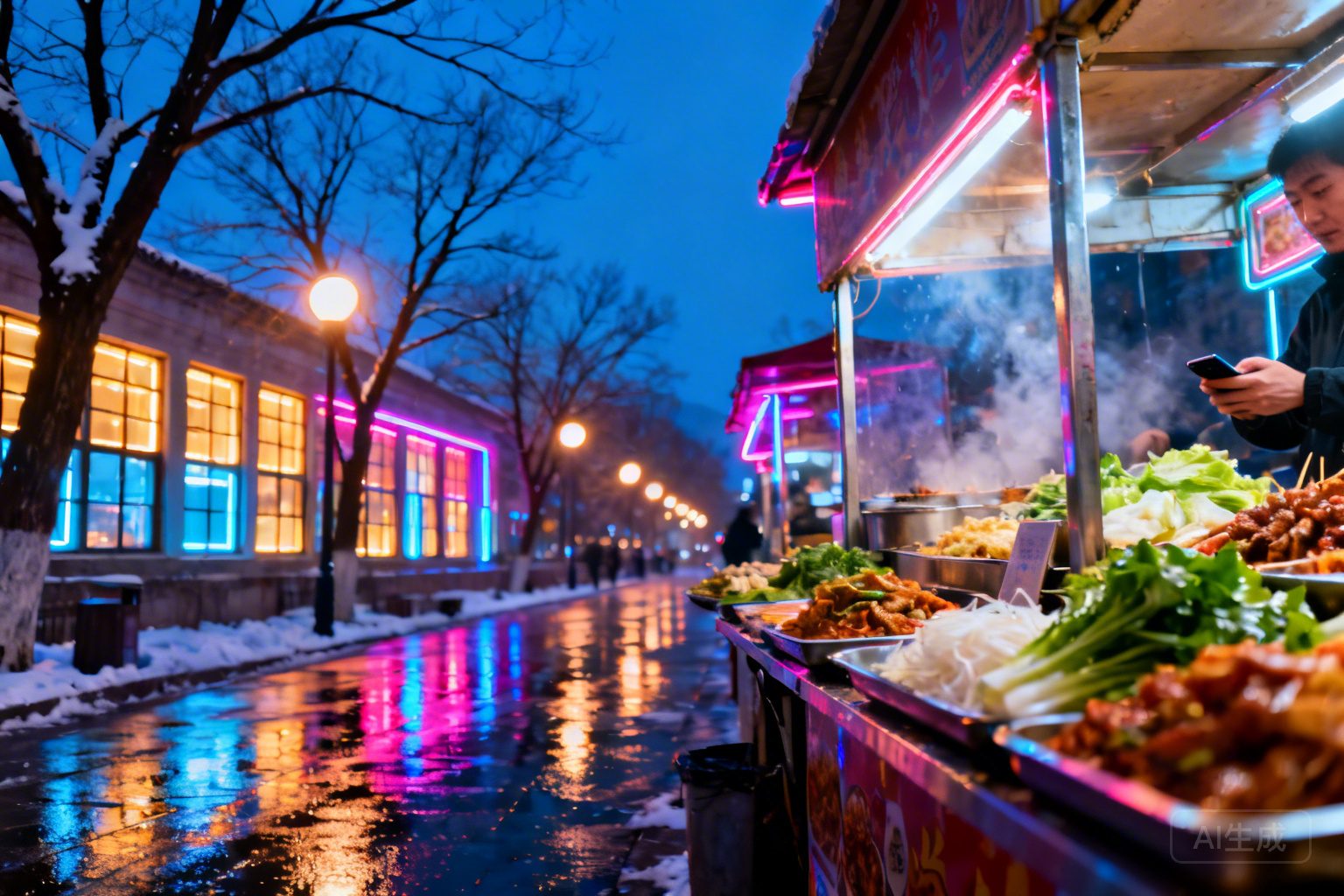
If you’re here to “disappear,” you need to stop looking for the best TripAdvisor-rated sushi and start looking for the places where the neon signs are flickering and the menu is handwritten on a chalkboard that hasn’t been wiped since 2012. You need to know that “Pura Vida” isn’t just a slogan on a t-shirt—it’s a social lubricant used to apologize for being thirty minutes late or for the fact that the ATM just ate your card. To live here, you have to embrace the beautiful mess of the Chepe (the local nickname for San Jose) street grid—or lack thereof.
Barrio Luján: The Working Class Kitchen
This is where I first got lost. I was trying to find a specific printer repair shop and ended up walking in circles near the train tracks. Barrio Luján isn’t “cool” in the way Escalante is. It’s gritty. It smells like diesel and roasted coffee. But if you are starving, this is the soul of the city. There is a specific etiquette here: you don’t wait for a hostess. You find a stool, you nod at the person behind the counter, and you wait your turn. If you’re in a rush, you’ve already lost.
Where to eat: Soda Tapia and Beyond
While the original Soda Tapia is near Sabana, the smaller, nameless holes-in-the-wall here in Luján serve the best Arreglados—savory puff pastry sandwiches filled with beef, black bean spread, and lizard sauce (Salsa Lizano). I once sat next to a mechanic here named Don Chepe who spent forty minutes explaining why the local soccer team, Saprissa, was the only thing keeping the country from collapsing. He shared his chicharrones with me. That’s the rule: if the food is good, you acknowledge it to your neighbor.