Where to Go When You’re Starving: Top Places to Eat in Varanasi!
The Silver Spoon and the River of Ashes
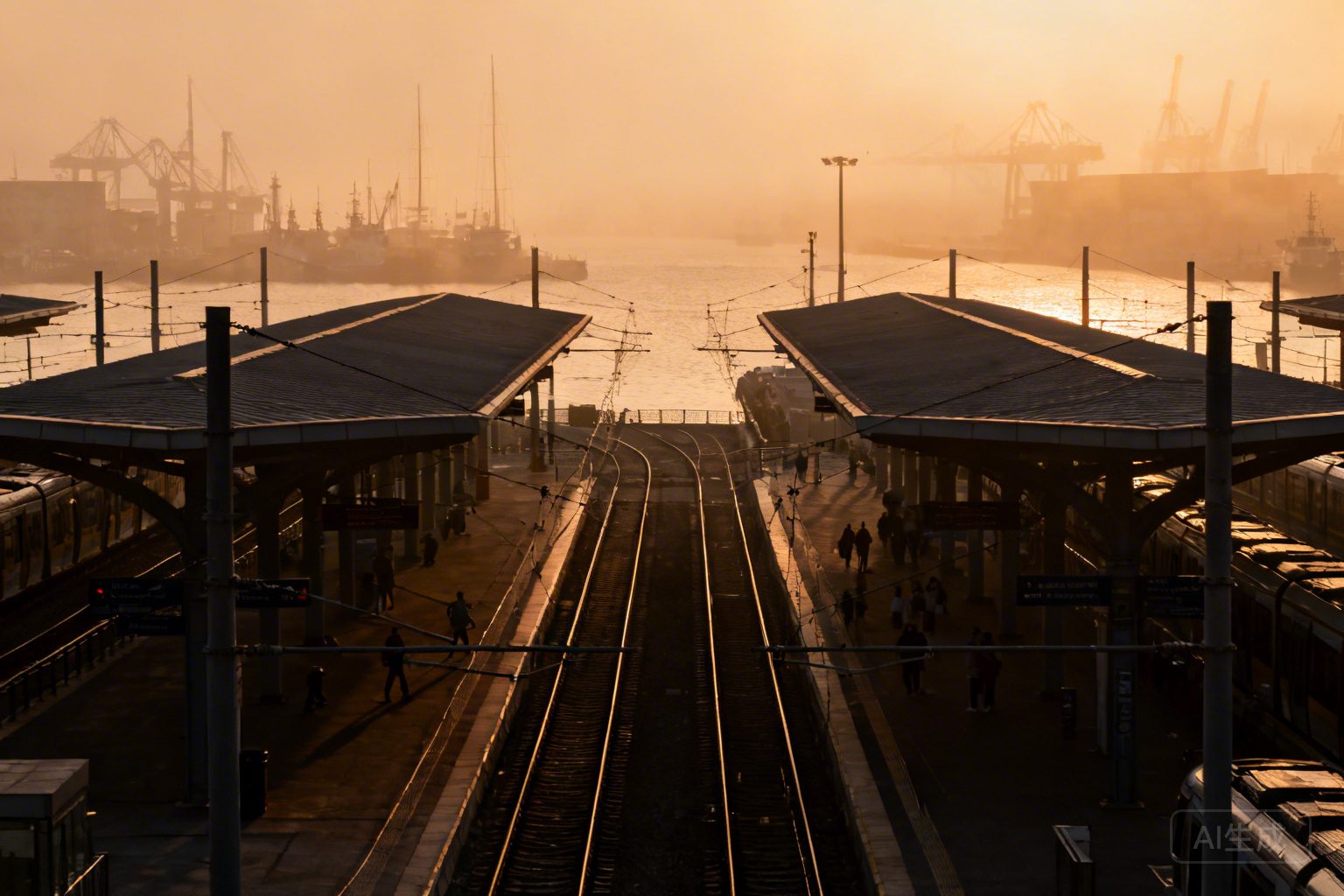
Varanasi does not merely exist; it breathes, a rhythmic, wheezing respiration of incense and exhaust that settles into your pores before you’ve even stepped off the train at Junction. To arrive here hungry is a dangerous proposition, a gamble with the senses where the stakes are nothing less than total sensory dissolution. The city is a labyrinth of digestive pathways, a digestive tract in itself, where the ancient and the anaerobic collide in a cloud of turmeric-stained steam. Here, time is not a line but a circle, much like the perfectly round kachoris hissing in cauldrons of bubbling ghee along the margins of the Vishwanath Gali.
I stepped into the morning air, which felt like wet velvet draped over a furnace. The humidity was a physical weight, pressing the scent of marigolds and scorched sugar against my skin. To my left, a man with skin the color of a well-steeped tea leaf leaned against a crumbling archway, his fingers yellowed by decades of cheap bidis, watching the world with the detached indifference of a deity. He is the first of many gatekeepers. In Varanasi, everyone is guarding something—a recipe, a ritual, or a square foot of shade.
I. The Blue Hour of the Kachori
Sunrise at the Dashashwamedh Ghat is a chromatic hallucination. The sky bleeds a bruised purple into the Ganges, and the water, thick as mercury, reflects the flickering lamps of the early pilgrims. But the real alchemy happens three alleys back, in the capillary-thin lanes of Thatheri Bazar. This is where the Kachori Sabzi serves as the city’s true liturgical breakfast. I found myself standing outside a shop no larger than a confession booth, where a man named Rajesh—a blur of kinetic energy in a sweat-stained undershirt—was orchestrating a symphony of frying dough.
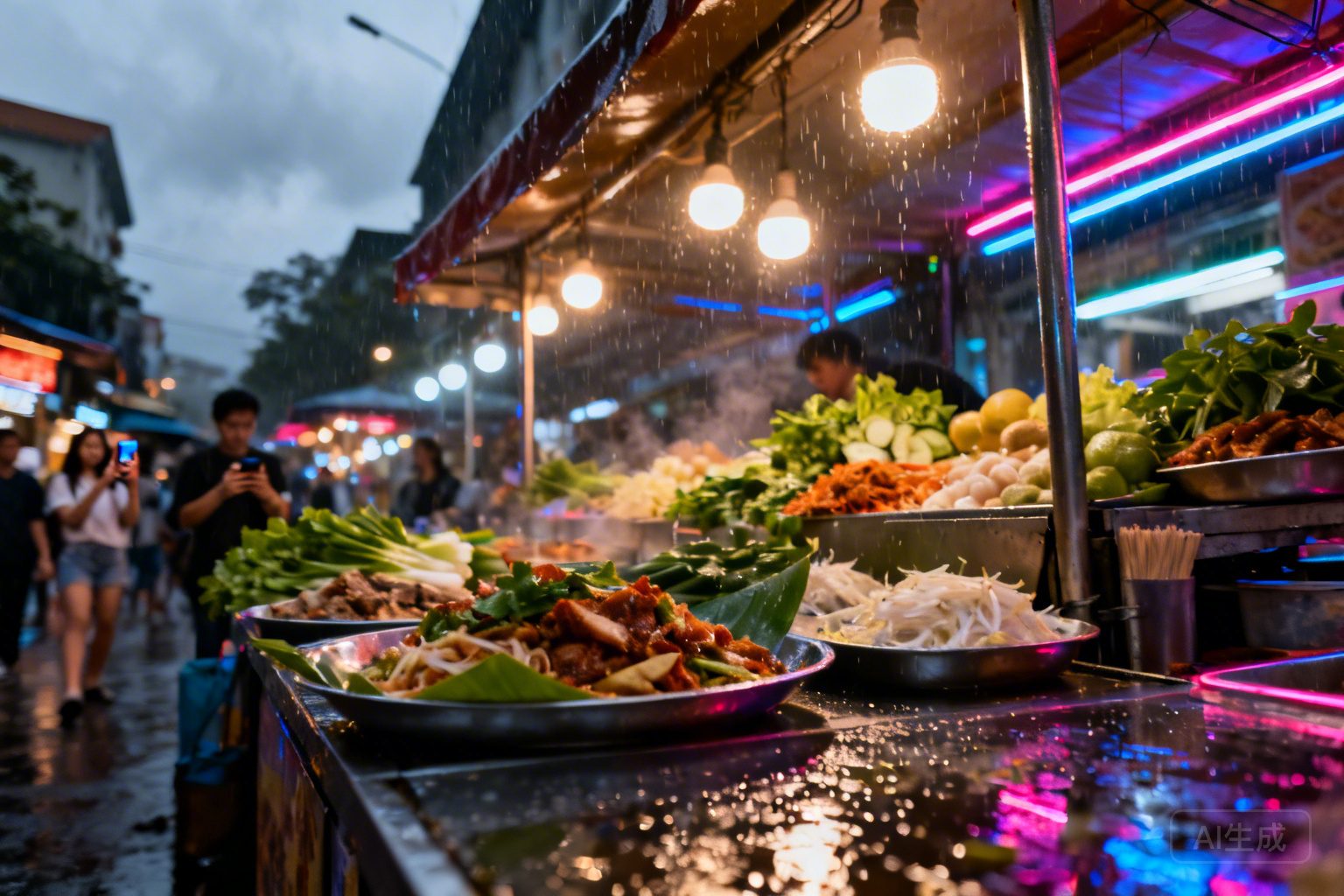
The sound is a high-pitched, rhythmic shhhhh as the pale discs hit the oil. He doesn’t use a thermometer; he reads the bubbles like a clairvoyant reading tea leaves. The air here smells of asafoetida and deep, dark iron. I watched a brusque waiter, a boy of no more than fourteen with eyes that had seen a thousand rushes, slap a leaf plate onto a wooden bench. The kachori was shattered by a thumb, then drowned in a potato curry so spicy it felt like a deliberate provocation. The gravy was thin but potent, laced with black pepper and the kind of heat that sits at the back of the throat like a glowing coal.