Why Addis Ababa is the #1 Destination You Need to Visit This Year!
The City That Doesn’t Ask Questions
I didn’t move to Addis Ababa to see the museums. I moved here because I wanted to see if I could still feel small in a world that feels increasingly mapped out. Addis—or “The Finfinne” if you’re feeling the Oromo roots—is a sprawling, chaotic, lung-burning beast of a city situated at 2,355 meters above sea level. It’s a place where the thin air makes your first week feel like a fever dream and the coffee is so strong it’ll make you re-evaluate your life choices by 10:00 AM.
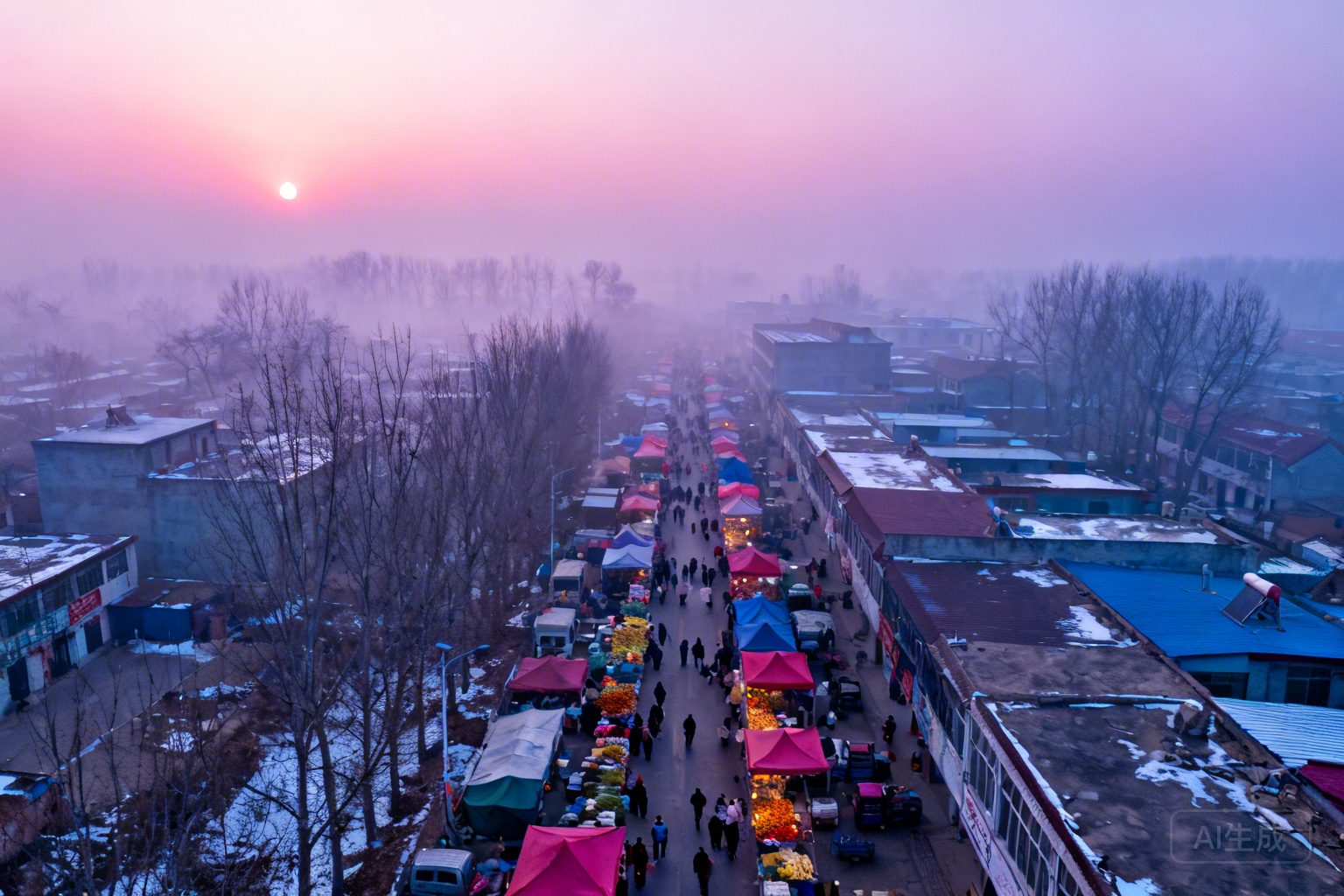
Most travelers do the “48-hour layover.” They see the Lucy skeleton, eat one communal platter of injera, and flee to the Simien Mountains. They’re missing the point. To really live here is to understand the art of the gursha—the act of feeding someone else with your own hands as a sign of trust. It’s about navigating a city that is rebuilding itself every single day, where a gleaming skyscraper sits next to a mud-walled kiosk selling loose cigarettes and single-use shampoo packets.
If you’re looking for a sanitized digital nomad hub with “Co-working” signs and avocado toast, go to Lisbon. But if you want a city that challenges your sense of time, space, and social hierarchy, you come here. You disappear into the eucalyptus-scented fog of the morning and emerge at night in a strobe-lit jazz club. Here’s how you actually do it.
The Neighborhoods: Where You Actually Live
1. Kazanchis: The High-Low Paradox
Kazanchis is where the old world slams head-first into the African Union’s diplomatic bubble. It is the heart of the city’s jazz history, but also a place where you can find the most reliable infrastructure because the “big wigs” live here.