Why Istanbul is the #1 Destination You Need to Visit This Year!
The Threshold of the World: Why Istanbul Demands Your Presence Now
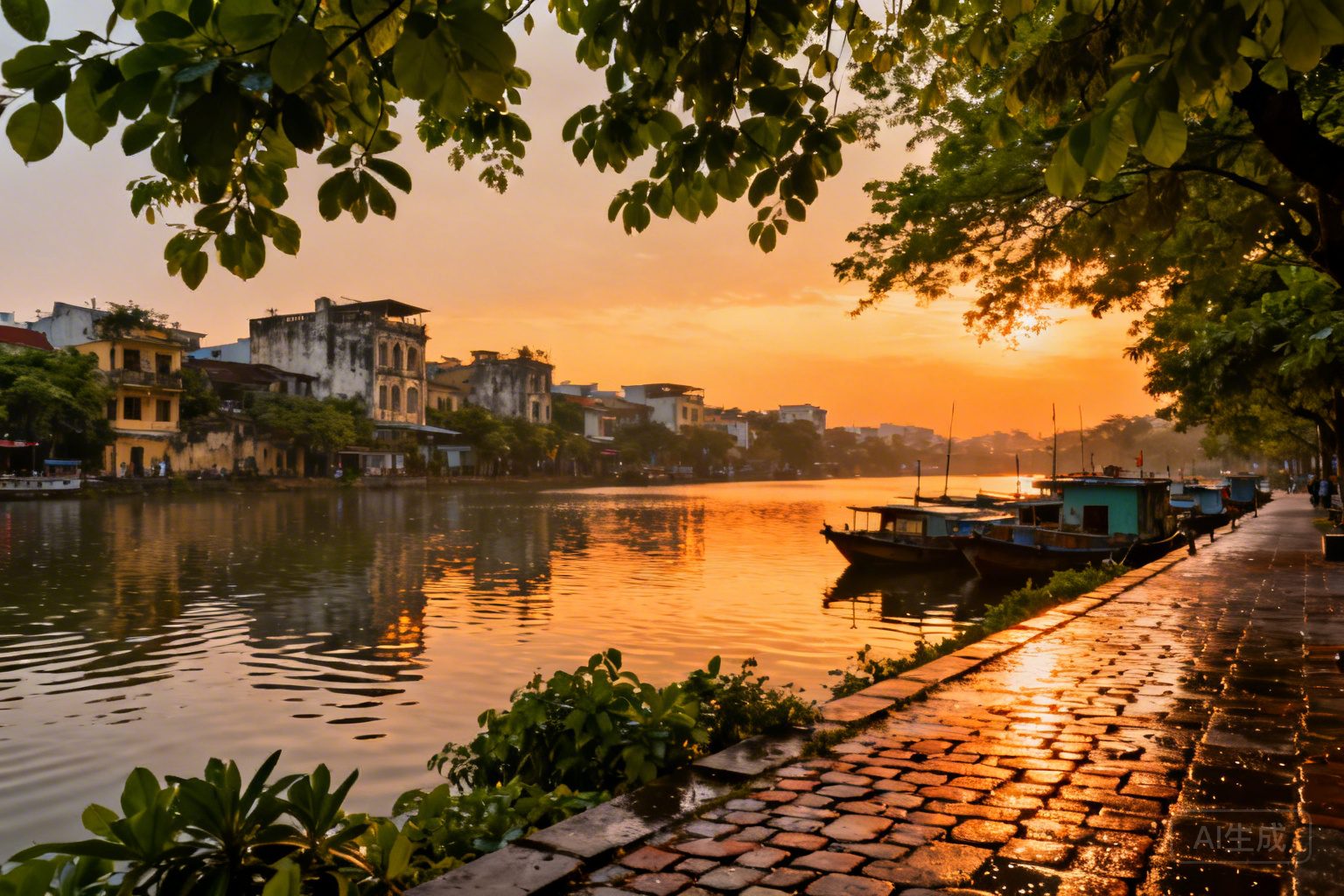
The dawn over the Bosphorus does not break; it hemorrhages. It begins as a bruise-colored smudge behind the silhouette of the Hagia Sophia, a deep, indigo violet that slowly bleeds into a searing, metallic copper. From the balcony of a weathered wooden yalı in Arnavutköy, the air tastes of salt, diesel, and the faint, charred scent of toasted sesame. The water below is a shifting tapestry of slate-grey silk, churned into froth by the first ferry of the morning—the 6:15 AM to Eminönü—which cuts through the current with a stubborn, mechanical groan. This is not a city that asks for your attention. It seizes it by the throat, smelling of ancient dust and fresh sea spray, whispering that every other metropolis you’ve ever loved is merely a rehearsal for this.
To arrive in Istanbul this year is to step into a temporal fracture. It is a place where the 21st century is frantically trying to overwrite the 12th, and failing spectacularly. The scaffolding on the minarets looks like exoskeleton armor; the neon glare of a Burger King reflects off the damp stones of a Roman cistern. You feel the weight of it in the arches of your feet—the cobblestones of Sultanahmet are polished to a treacherous shine by a billion footsteps, each one worn smooth by the passage of Janissaries, silk merchants, and TikTok influencers alike.
The city is a lung. It inhales the damp winds of the Black Sea and exhales the dry, spicy heat of the Anatolian plateau. And right now, in this specific sliver of history, the breath is ragged, vital, and utterly intoxicating.
The Geometry of Chaos: Sultanahmet and Beyond
In the shadow of the Blue Mosque, the air is thick with the competitive piety of the morning adhan. The sound doesn’t just travel; it vibrates in your marrow. The muezzins call to one another across the plazas, a polyphonic layering of minor keys that turns the sky into a cathedral of sound. Here, you meet the first ghost of the city: the brusque waiter at a side-street lokanta, a man named Mesut whose mustache is a masterpiece of stiff, nicotine-stained architecture. He moves with a frantic, jerky grace, slamming glasses of tulip-shaped tea onto marble tables with a force that suggests a deep, ancestral grievance against gravity. He doesn’t look at you. He looks through you, toward the horizon, as if expecting the return of the Byzantine fleet.