Why Luang Prabang is the #1 Destination You Need to Visit This Year!
The Gilded Anchor: Why Luang Prabang is the Last Sanctuary of the Slow Soul
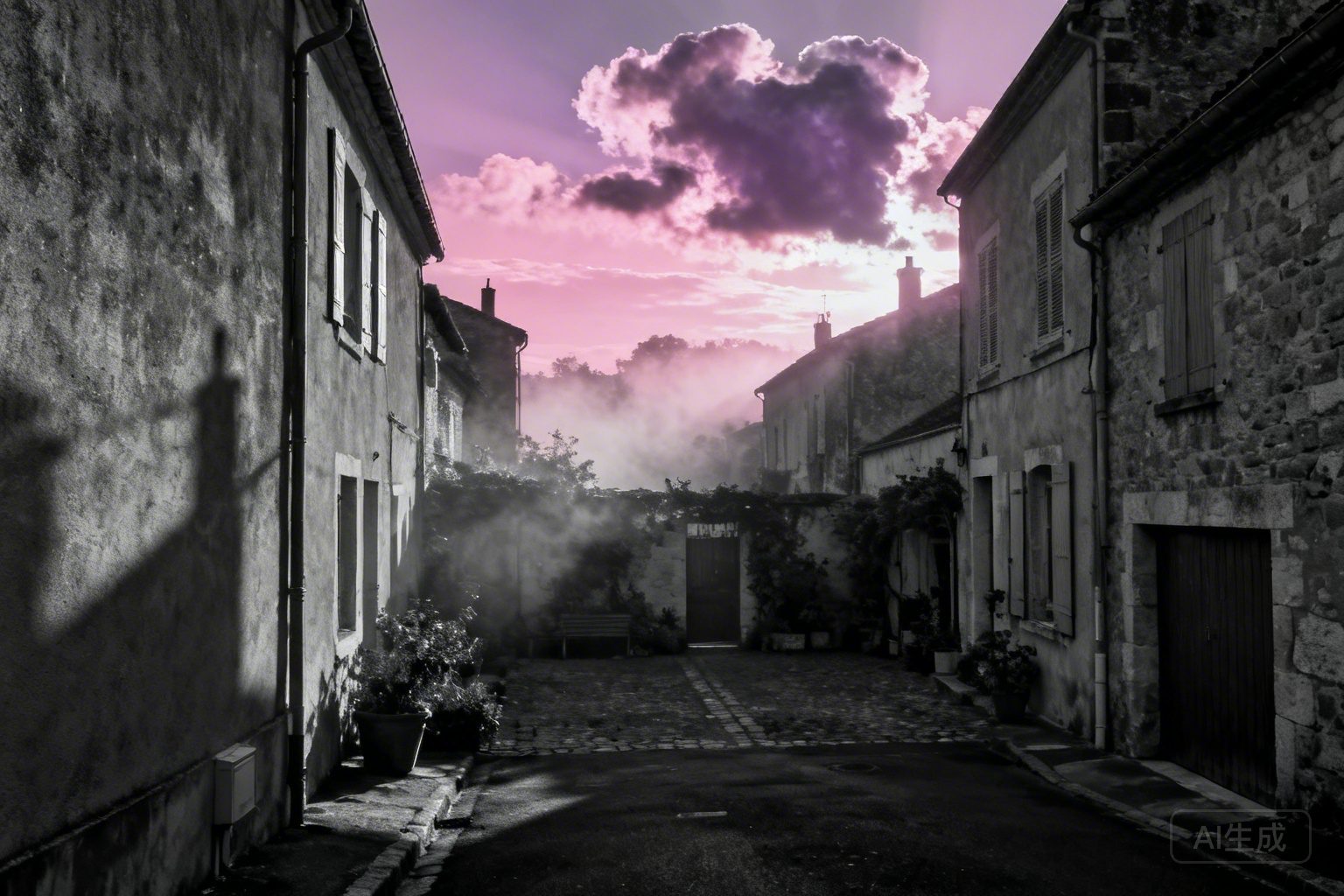
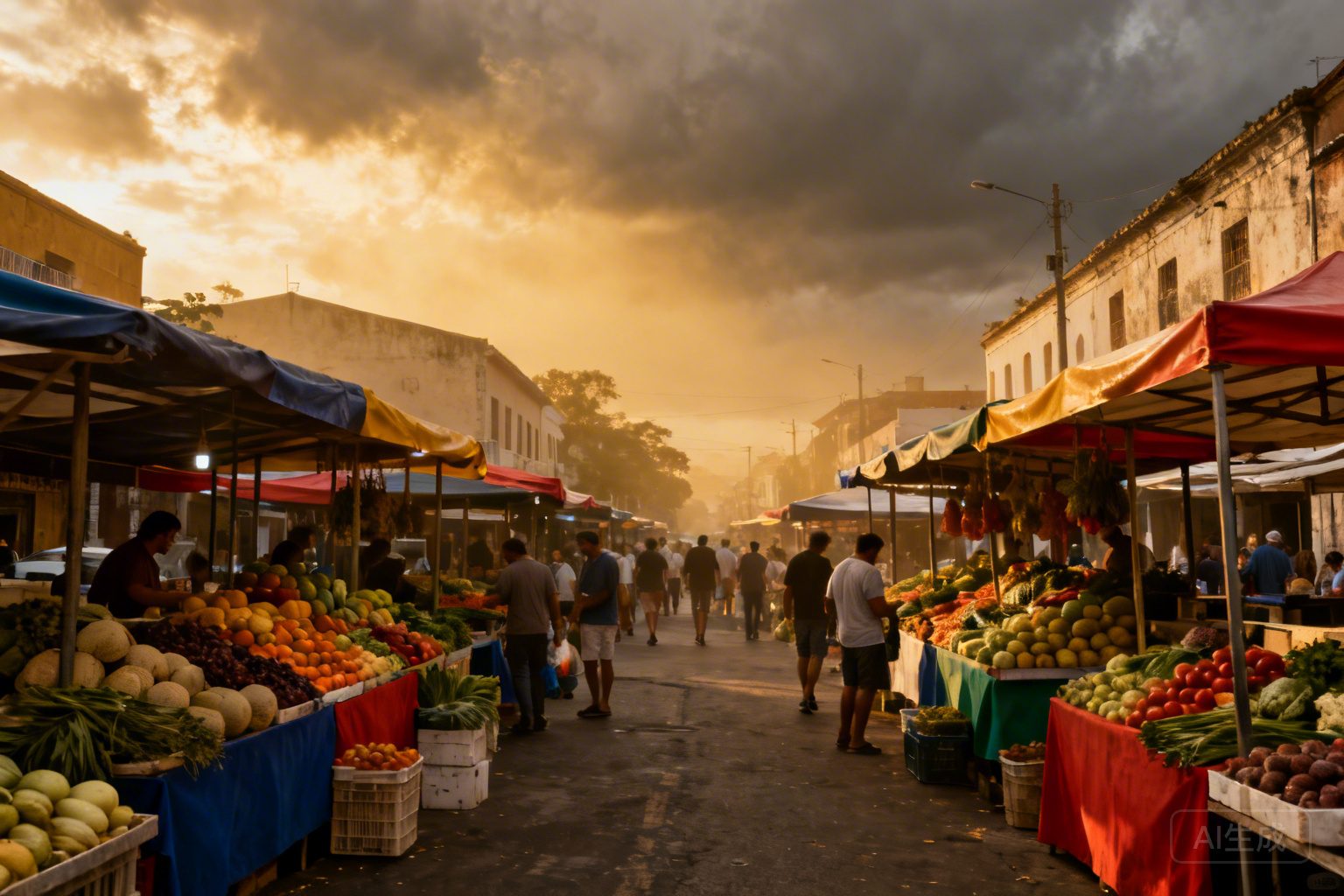
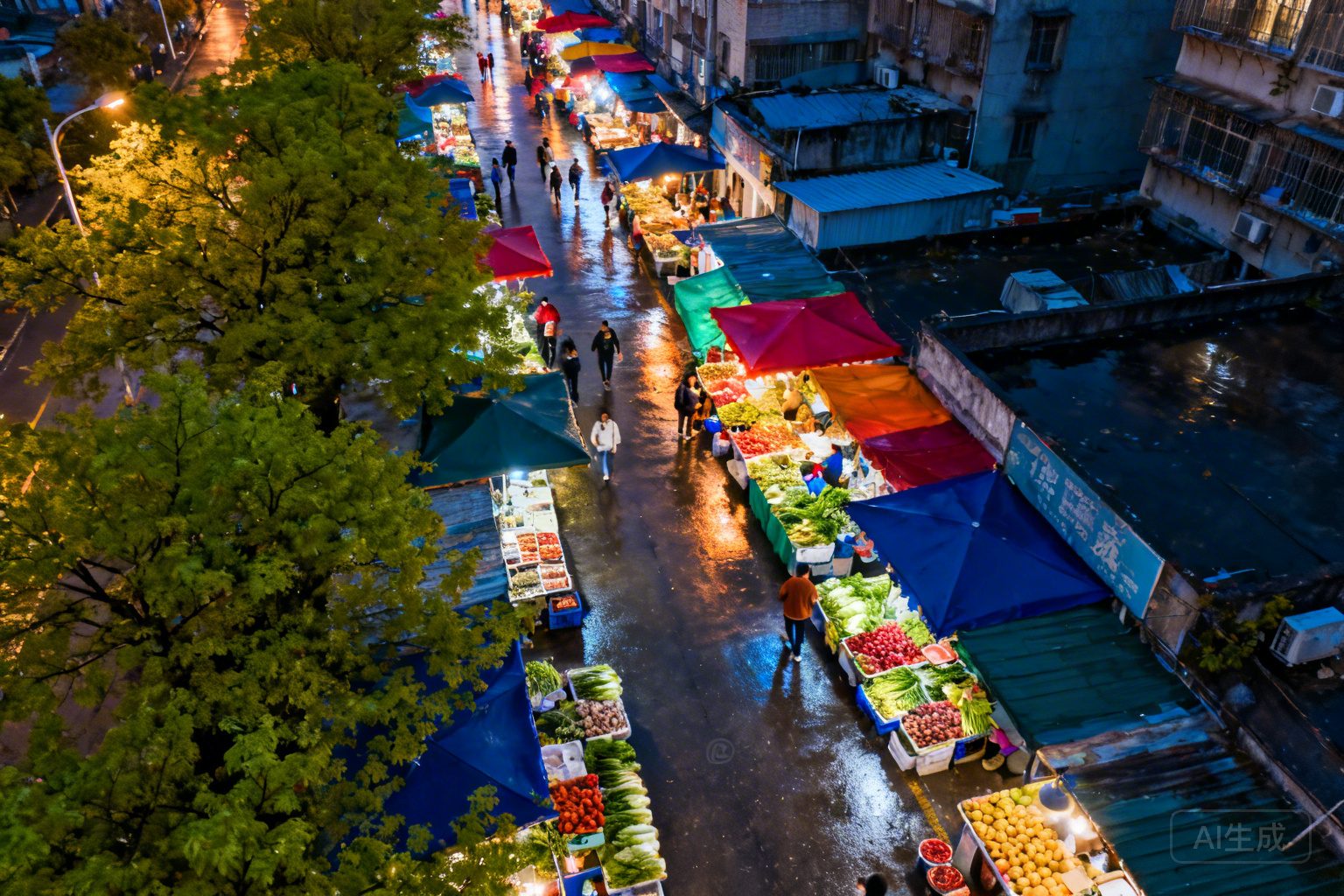
The humidity in Luang Prabang does not merely sit upon the skin; it drapes itself over you like a damp, silk shroud, heavy with the scent of woodsmoke and fermenting fish. It is 5:14 AM. The sky is the color of a bruised plum, transitioning into a pale, sickly lavender as the first tremors of light begin to crack the horizon of the Phousi Hill. I am standing on Sakkaline Road, my heels resting on the uneven lip of a sidewalk where the French terracotta tiles have surrendered to the persistent intrusion of tropical roots. The air is cool—a fleeting, deceptive mercy—and the silence is so profound it feels architectural.
Then, the orange appears.
It starts as a flicker at the end of the street, a rhythmic pulse of saffron so vivid it seems to vibrate against the whitewashed colonial facades. This is the Tak Bat. A silent procession of monks, hundreds of them, gliding on bare feet that have grown calloused and leather-tough from years of treading these same basalt stones. They move with a terrifying grace. No word is spoken. The only sound is the soft thwack of a wicker lid closing on a silver bowl and the distant, metallic clang of a temple bell that sounds like a spoon hitting a crystal glass.
Luang Prabang is not a city you visit; it is a city you succumb to. It is the architectural equivalent of a deep, dreamless exhale.
The Architecture of Ghostly Elegance
To walk the peninsula—that thumb of land where the Nam Khan river, tea-colored and temperamental, merges with the mighty, mud-slicked Mekong—is to walk through a living museum of elegant decay. The “Lao-French” style isn’t just an aesthetic; it’s a tension. You see it in the shuttered windows of the boutiques, where the wood has been bleached by a century of monsoons to the color of a sun-dried bone. You see it in the way a Corinthian column supports a sweeping, tiered roof that mimics the wings of a predatory bird.