Why Marrakesh is the #1 Destination You Need to Visit This Year!
The Ochre Pulse: Finding the Heart of the World in Marrakesh
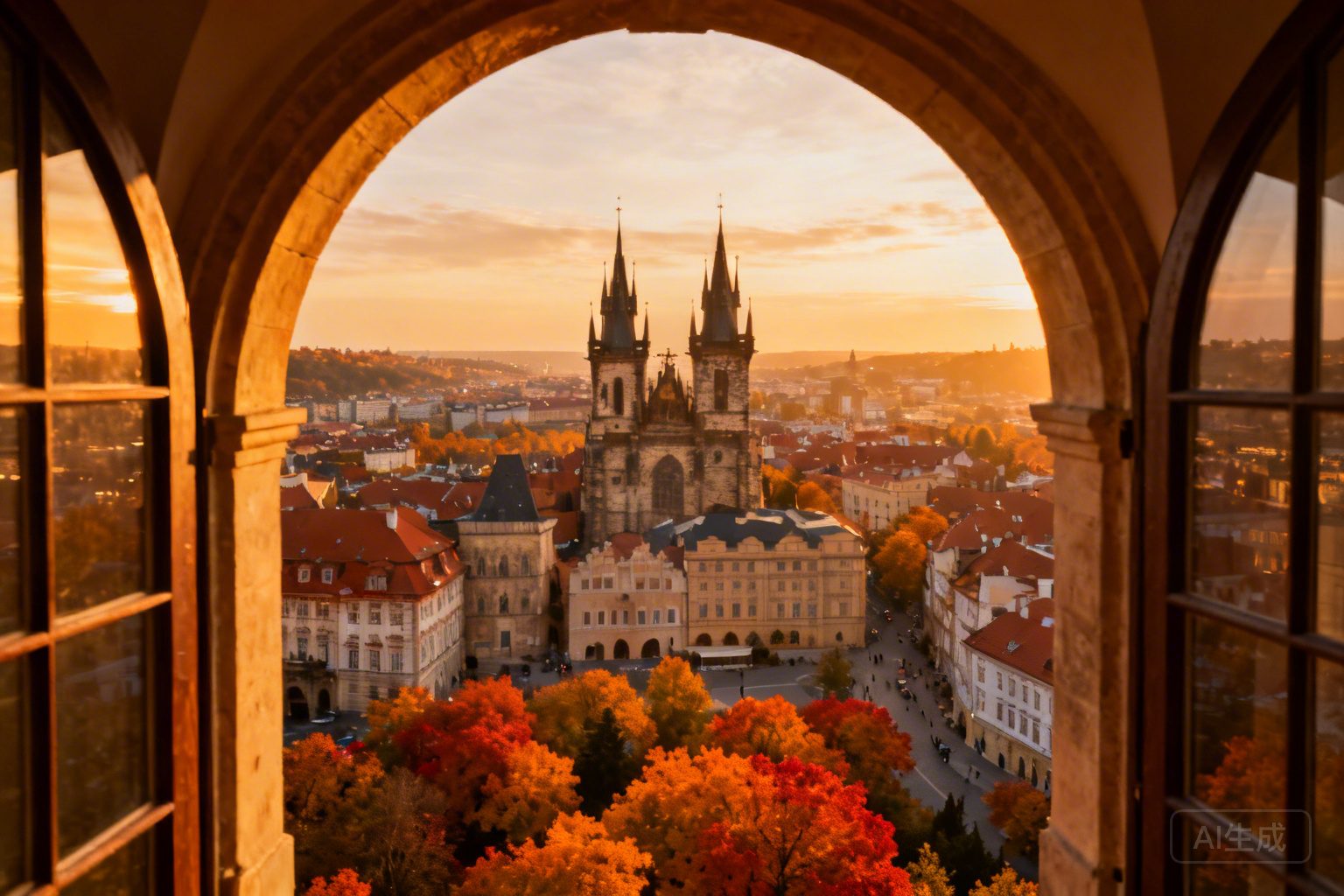
The light in Marrakesh does not merely shine; it colonizes. By four o’clock in the afternoon, the sun has abandoned its midday aggression, maturing into a thick, honeyed glaze that pours over the ramparts of the Medina. It turns the dust-choked air into a suspension of floating gold, clinging to the eyelashes of donkeys and the sharp, lapis-lazuli edges of tilework. This is the “Ochre City,” a moniker that feels woefully inadequate once you’ve seen the walls bleed into a dozen shades of terracotta, pomegranate, and bruised clay as the shadows lengthen. This is not just a destination for the itinerary-obsessed; it is a sensory ambush.
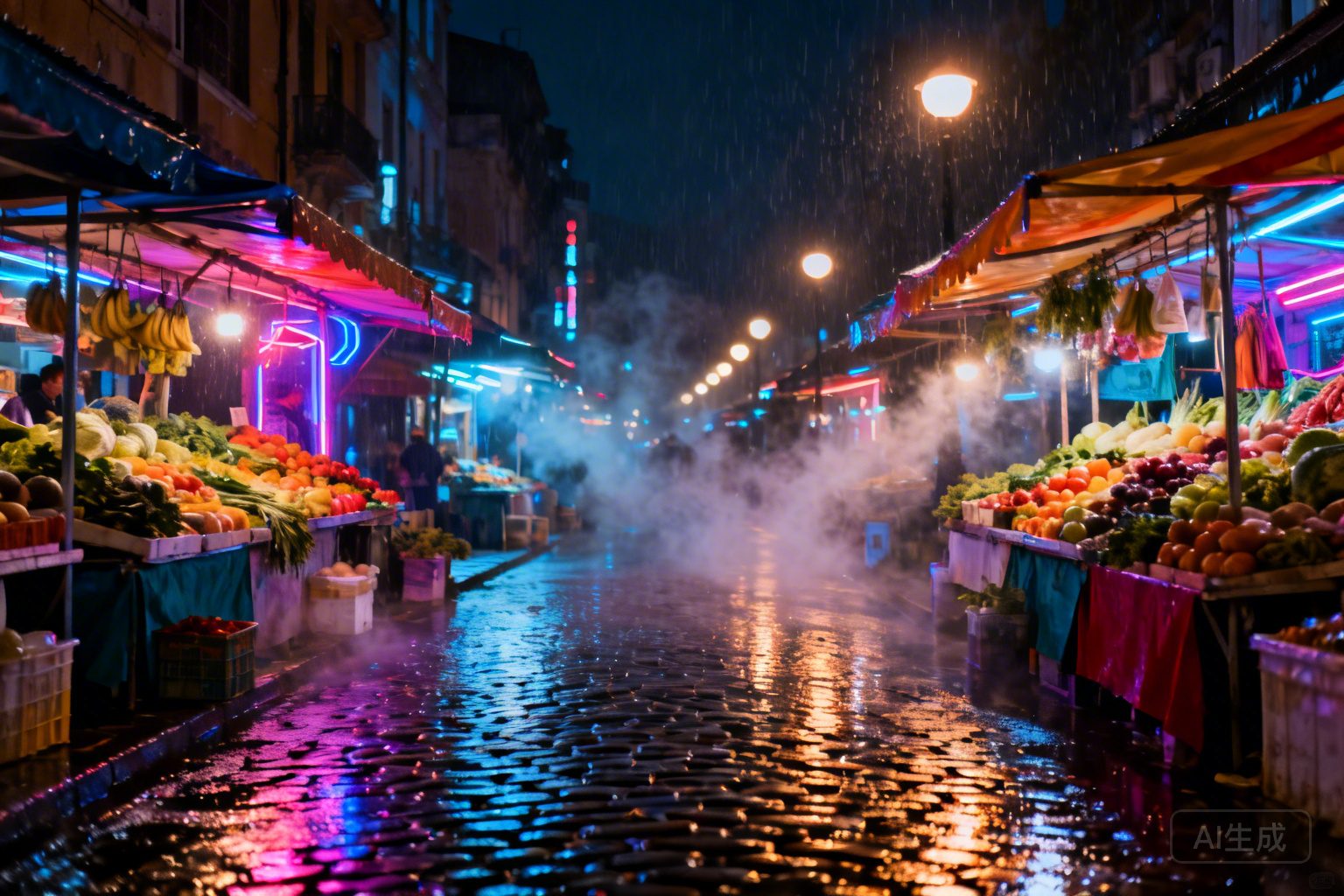
To enter the Medina is to forfeit the right to a straight line. The streets are a capillary system of limestone and brick, designed centuries ago to confuse invaders and trap the cooling North African breeze. Here, the air is heavy with the scent of “Ras el Hanout”—a spice blend that smells of scorched earth, rose petals, and woodsmoke—and the metallic tang of blood from the butcher’s stalls, where goat heads sit on silver platters with a terrifying, stoic dignity. This year, more than any other, Marrakesh feels like the epicenter of a global longing: a place where the digital friction of the 21st century grinds to a halt against the sheer, unyielding weight of history.
The Architecture of Chaos
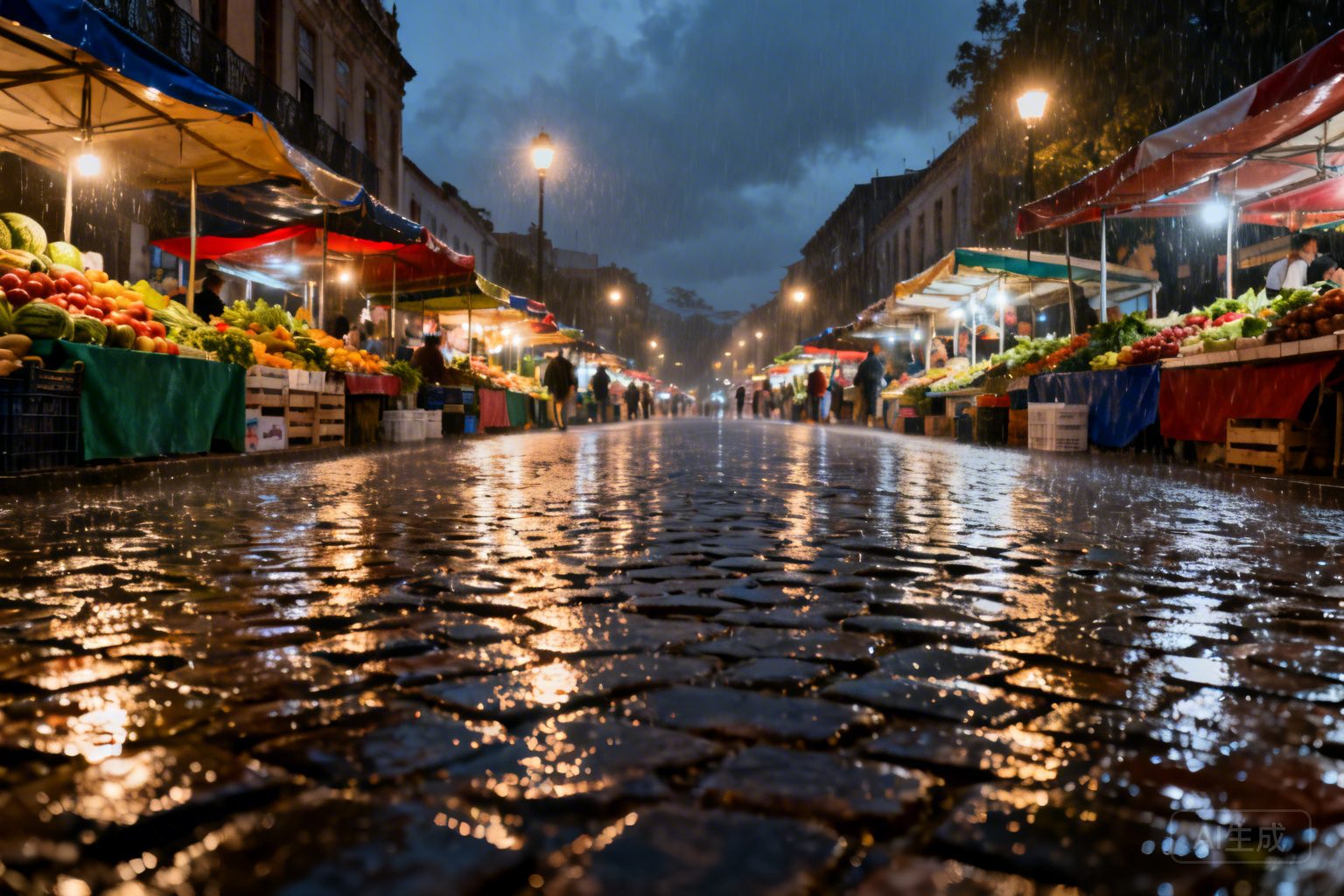
Step onto the pavement of the Jemaa el-Fnaa just as the calls to prayer begin to ricochet off the minarets. The sound is a jagged, polyphonic wave—the Adhan from the Koutoubia Mosque rising in a deep, baritone swell, met by the higher, thinner cries of the smaller neighborhood shrines. It is a moment of profound, choreographed stillness in a square that otherwise functions as a theater of the absurd.
Look closely at the water sellers, the Guerrouab, draped in crimson fringe and brass cups that clink with a rhythmic, hypnotic fragility. Their faces are topographical maps of the High Atlas Mountains—deeply etched crevices of skin tanned to the color of an old saddle, eyes clouded by cataracts and a lifetime of squinting into the Saharan glare. They do not sell water so much as they sell a performance of survival. Beside them, the orange juice vendors scream their stall numbers like incantations—”Number four! The best for your door!”—their hands stained a permanent, citrus yellow from the thousands of Valencias sacrificed to the glass.