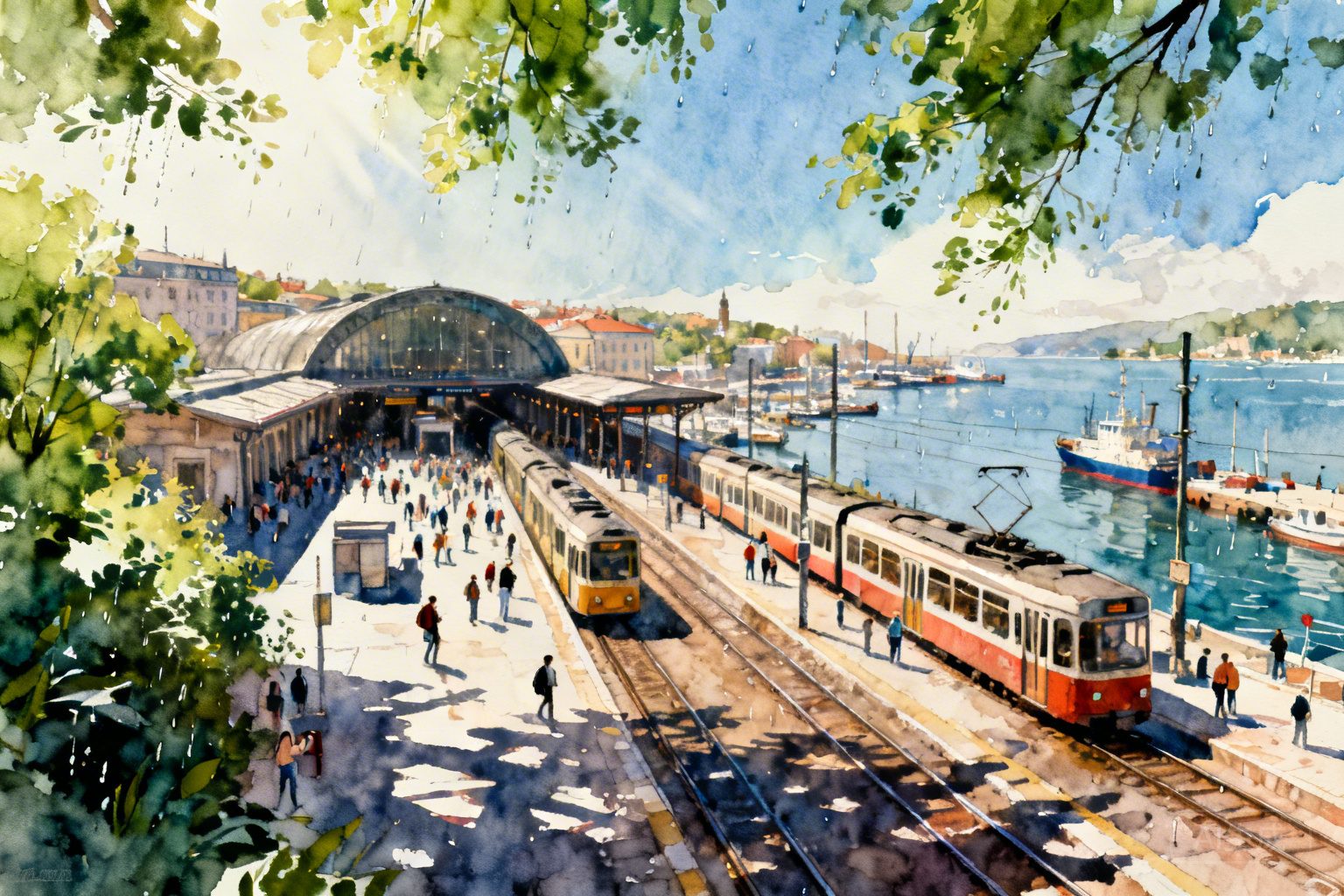
Why Naples is the #1 Destination You Need to Visit This Year!
The City That Forgets to Breathe
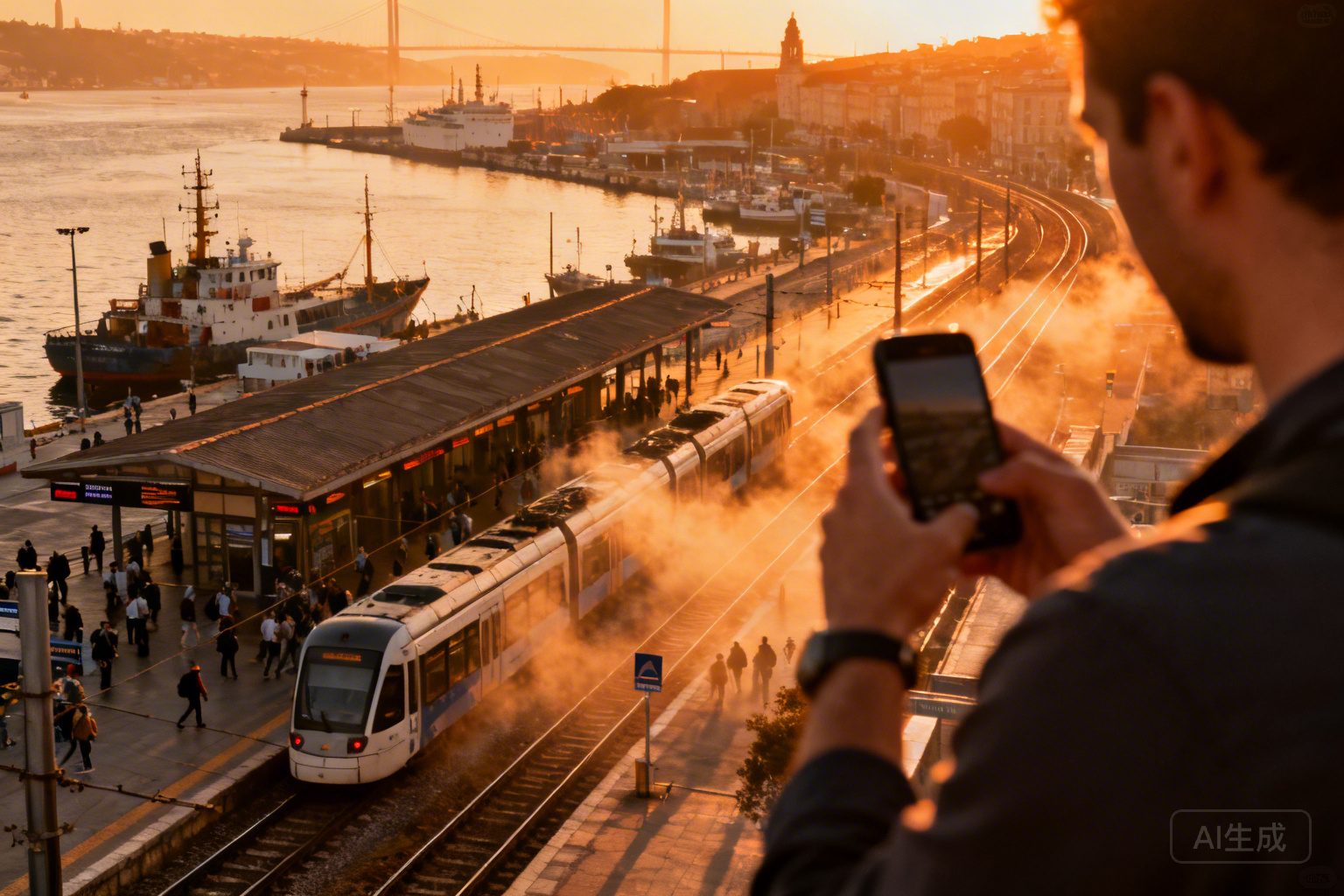
There is a specific frequency to the air in Naples, a vibration that settles behind your molars the moment you step off the train at Centrale. It is not the curated, museum-quiet hum of Florence, nor the self-important roar of Rome. Naples is a cacophony of bone-on-stone, a city that feels as though it were built by a frantic architect who lost the blueprints and decided to improvise with laundry lines and ancient volcanic tufa. To walk these streets is to engage in a physical negotiation with history. The humidity smells of diesel, fried dough, and the salty, iron-tang of a Mediterranean that has seen too many empires rise and fall into its turquoise depths.
This is the year to come. Not because the city has changed—Naples is famously resistant to the homogenizing polish of globalism—but because the world has finally grown weary of the sterile. We are starving for the authentic, the unwashed, and the vibrantly alive. In Naples, you do not observe life; you are swallowed by it.
I. The Vertical Labyrinth of Spaccanapoli
The sun hits the Spaccanapoli—the “Naples splitter”—at a precise, clinical angle around eleven in the morning. This long, straight vein cuts through the pulsating heart of the historic center, a canyon of 17th-century palazzos with facades the color of dried blood and bruised peaches. I watched a woman lean over a wrought-iron balcony three stories up. Her skin was the texture of a well-worn leather satchel, her hair a silver storm cloud. She lowered a plastic bucket on a frayed nylon rope—the panaro—to a delivery boy below. No words were exchanged. The boy swapped a bundle of escarole for a few crumpled coins, and the bucket ascended, swaying like a pendulum against the peeling ochre plaster.
In the shadows of the doorway below stood a man I came to think of as the Guardian of the Alley. He was a waiter at a hole-in-the-wall trattoria, dressed in a white shirt that had seen better decades, his sleeves rolled up to reveal forearms mapped with burns from professional ovens. He didn’t invite you in. He merely stood there, a cigarette dangling from the corner of a mouth that seemed perpetually set in a grimace of weary tolerance. He was the gatekeeper of a kingdom of starch and garlic, his eyes tracking the frantic tourists with the same detached interest one might show a line of ants.