Why Oranjestad is the #1 Destination You Need to Visit This Year!
The Pastel Fever Dream: Why Oranjestad is the #1 Destination You Need to Visit This Year
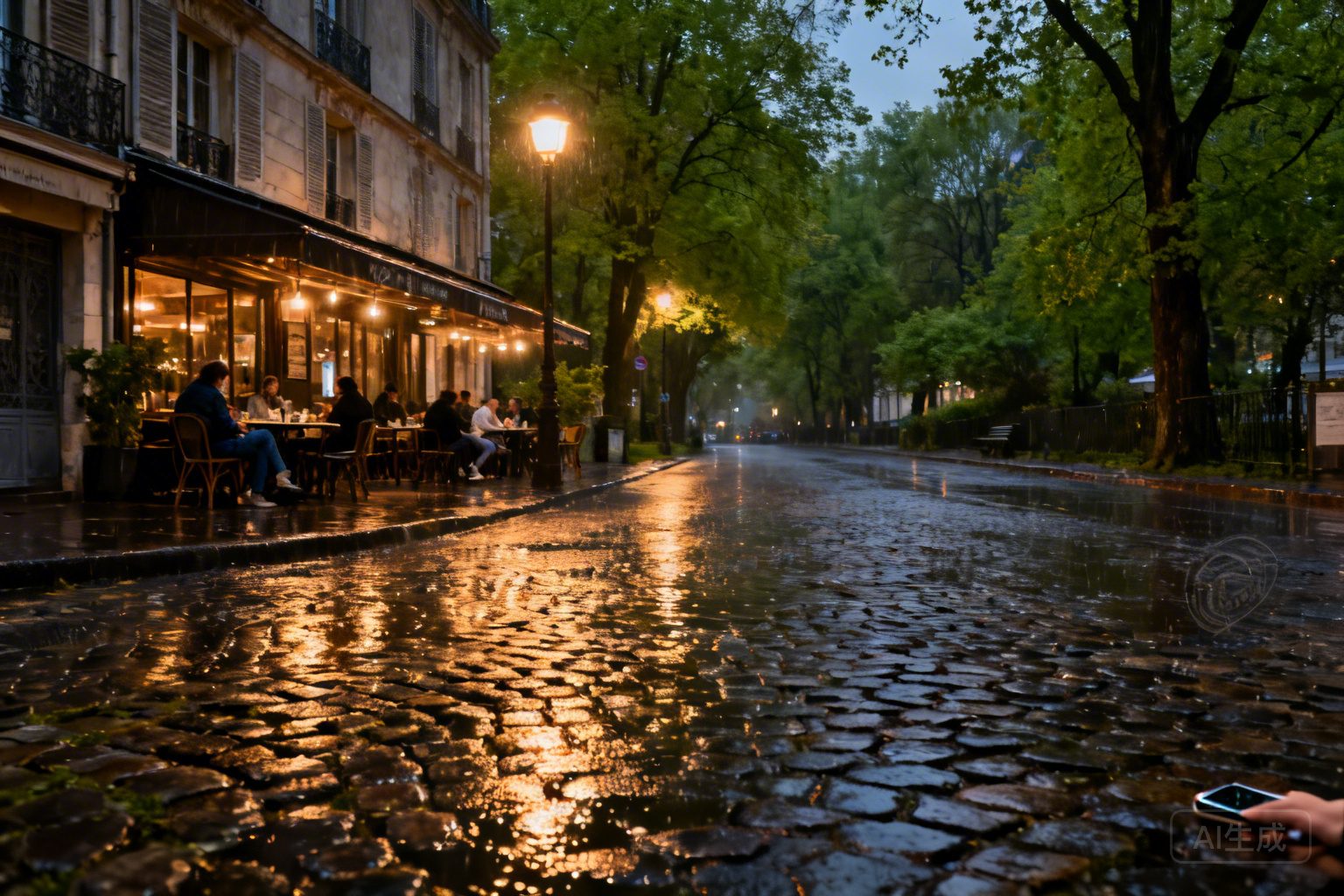
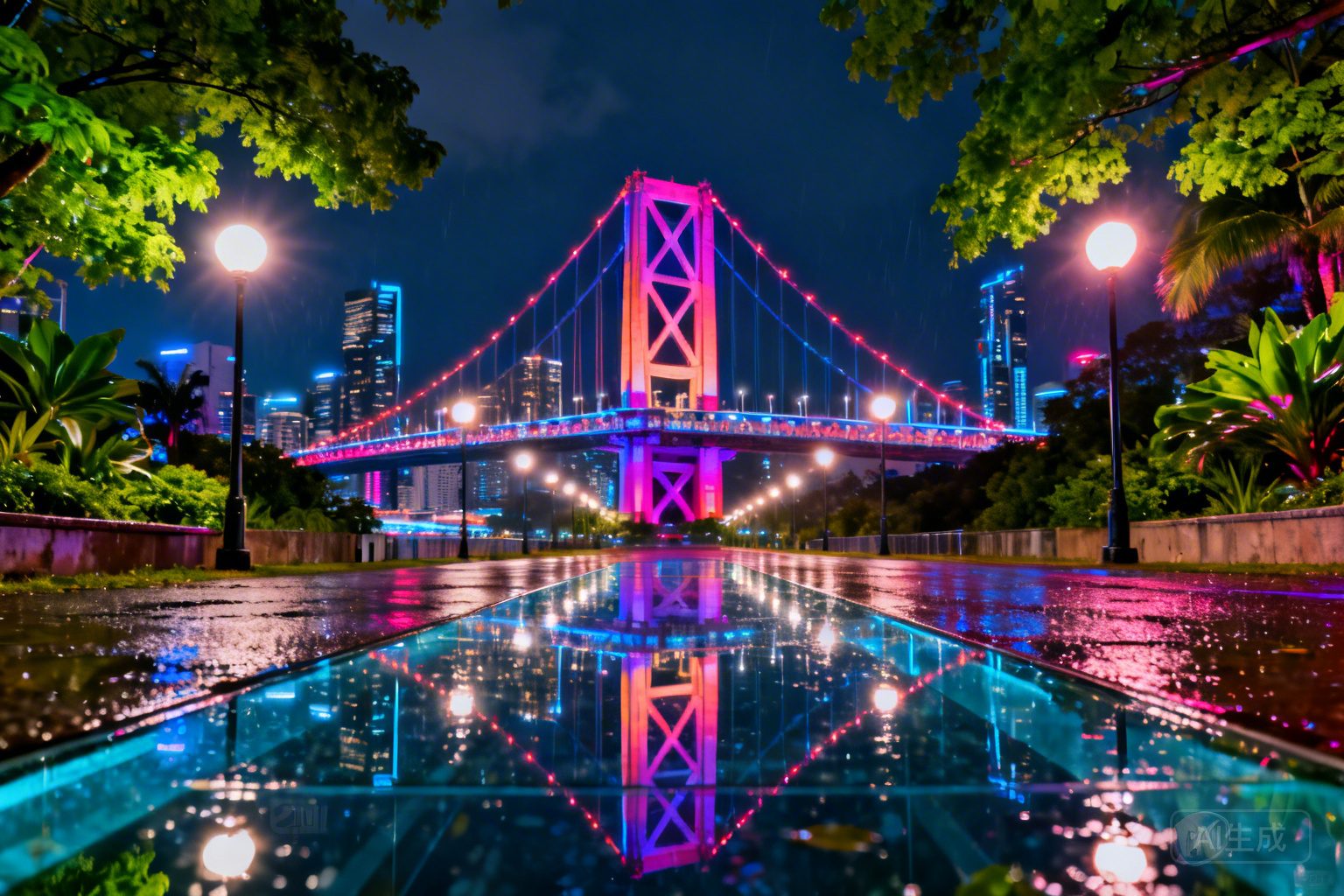
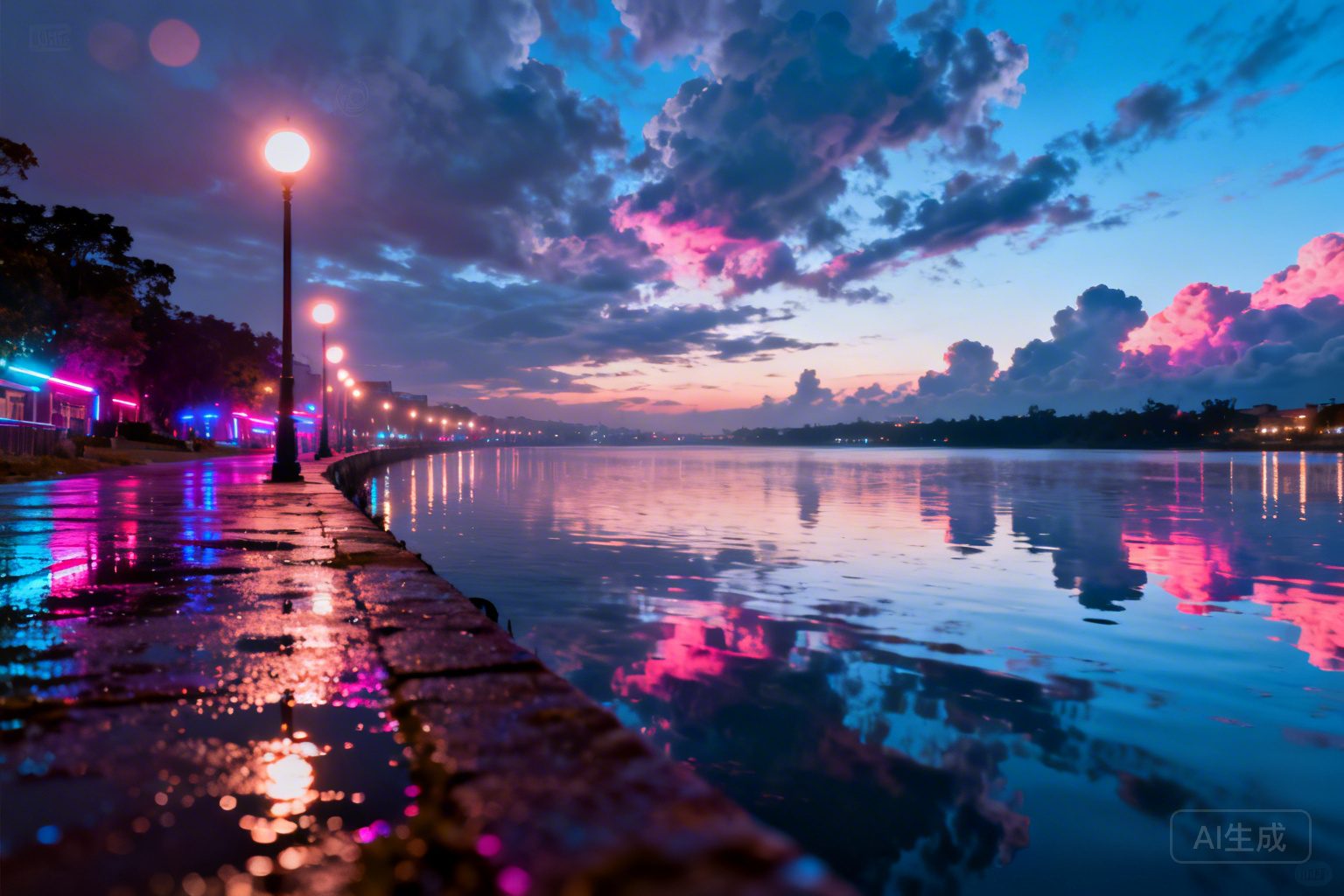
The dawn in Oranjestad does not arrive with a whisper; it arrives with the scent of salt-crusted diesel and the aggressive, rhythmic slapping of the Caribbean Sea against the weathered concrete of the Paardenbaai. To stand on the pier at 6:15 AM is to witness a city shaking off its neon-soaked slumber. The wind here isn’t just a breeze; it is a sentient thing, a warm, persistent shove that smells of fried dough and evaporating brine. It catches the edges of the Dutch colonial gables, those architectural confections that look as though a baker rather than a mason designed them, and carries the sound of the first tram clanging its way through the Caya G.F. Betico Croes.
Oranjestad is a contradiction wrapped in a sun-bleached flag. It is a Caribbean capital that clings to its Netherlandic bones while breathing through lungs filled with the spice of the ABC islands. Most travelers treat it as a mere vestibule—a place to buy a duty-free watch before retreating to the sterile high-rises of Palm Beach. They are wrong. They are missing the soul of the island, which lives in the peeling ochre paint of a 19th-century townhouse and the specific, guttural pitch of a Papiamento argument over a game of dominoes in a back alley.
The Architecture of a Colonial Mirage
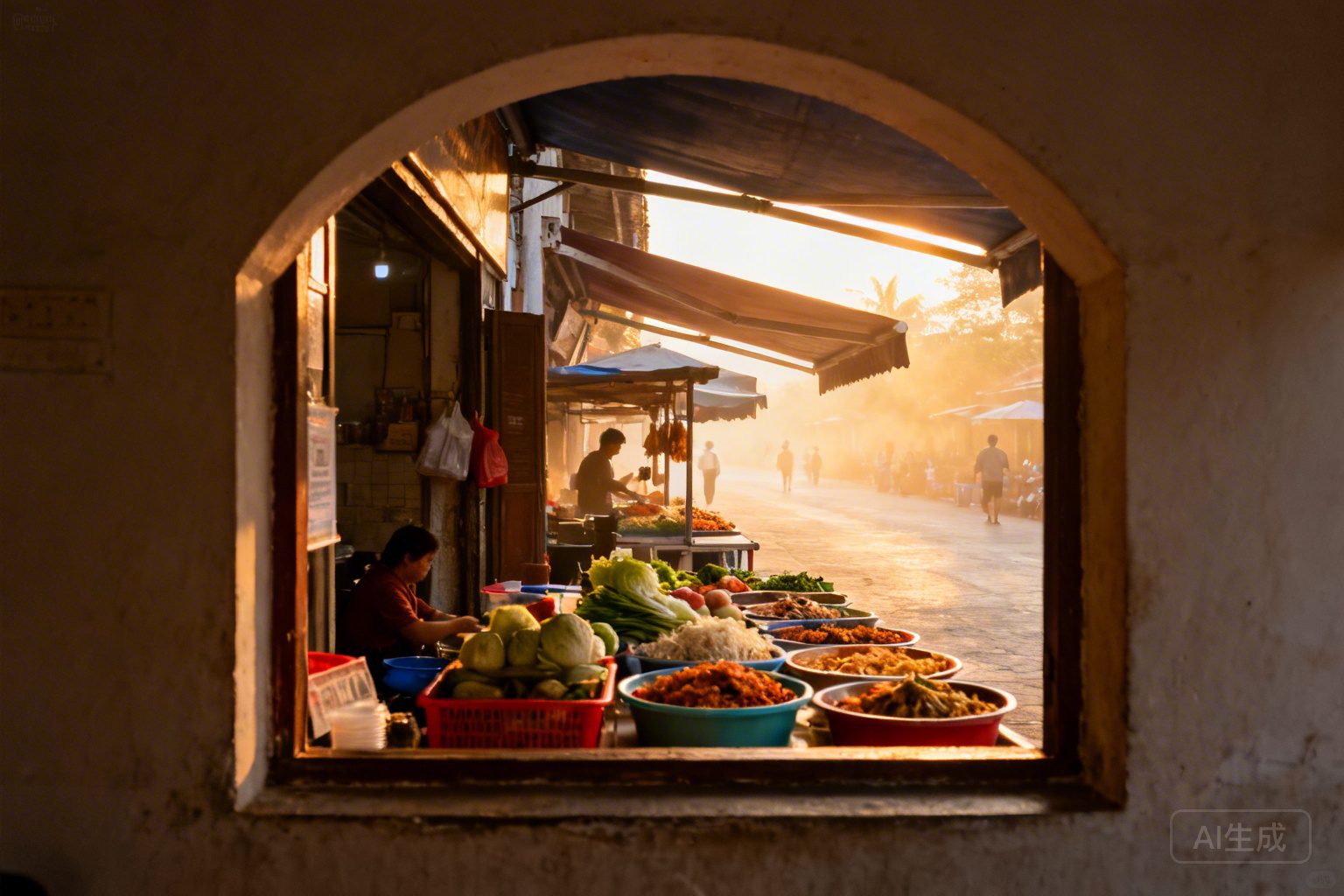
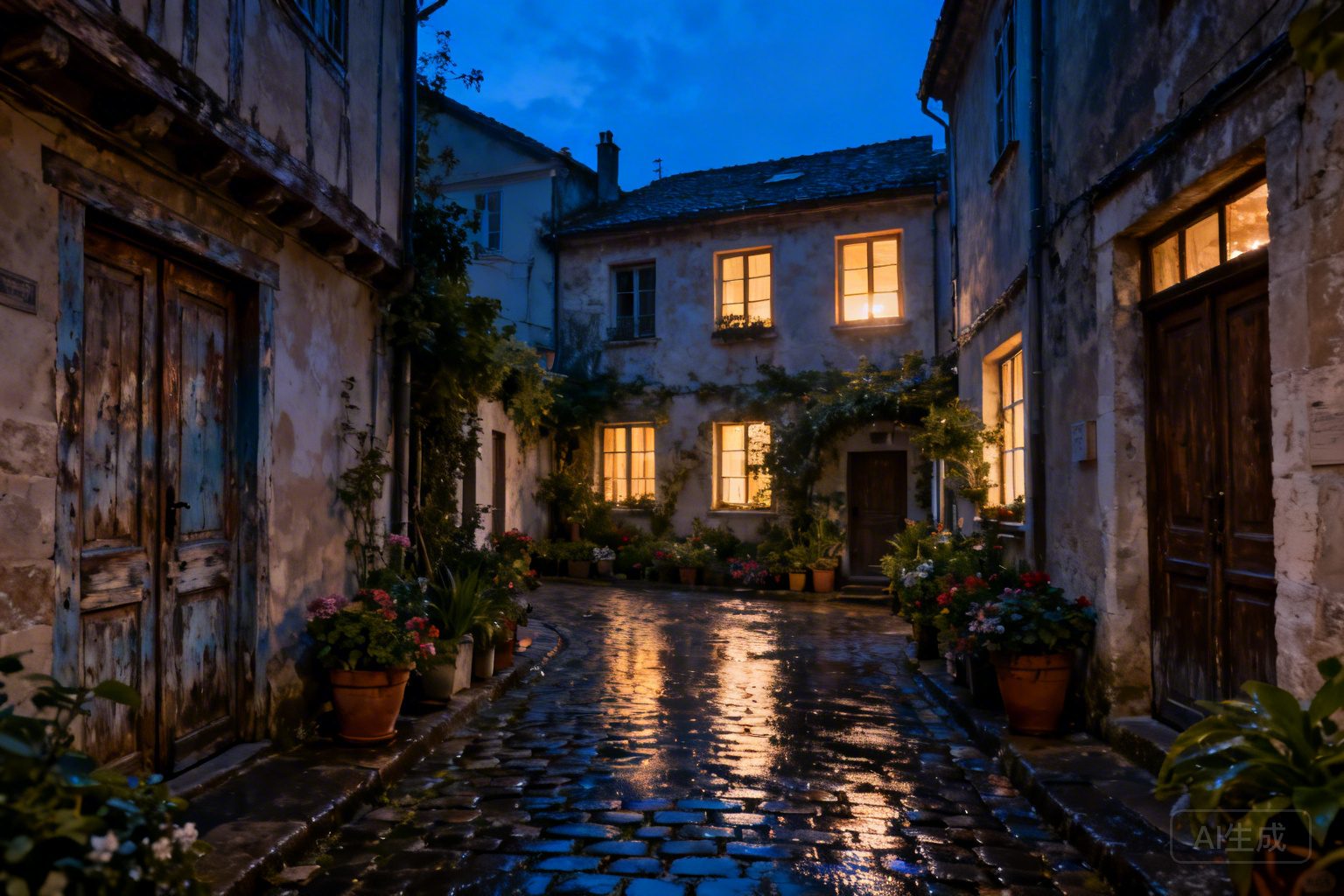
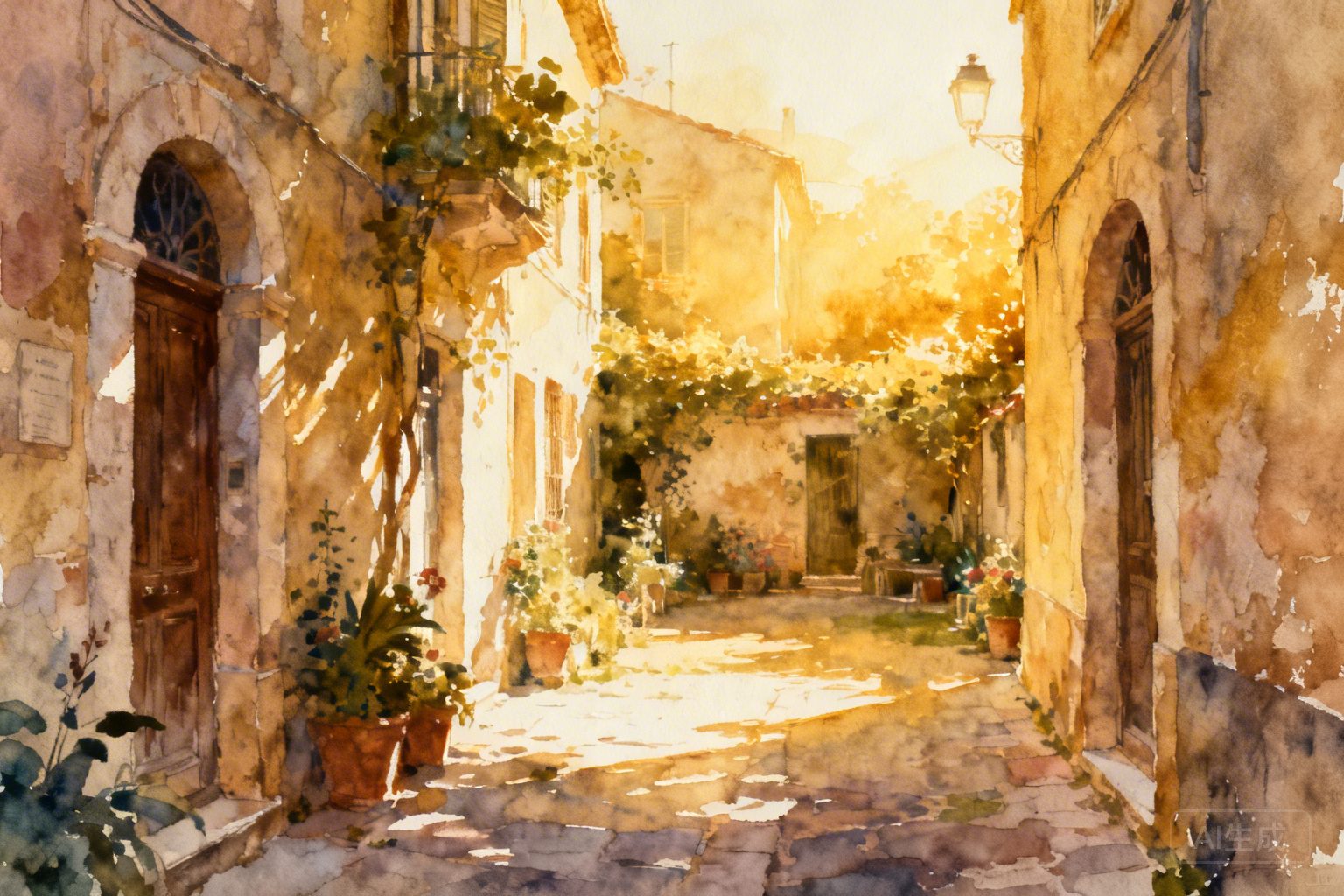
Walking through the city center is like navigating a fever dream designed by a 17th-century cartographer who had access to a 1950s candy shop. The buildings are hued in shades that defy the standard spectrum: electric turquoise, bruised lavender, and a salmon pink so intense it seems to vibrate against the retina. These aren’t just colors; they are defiance against the sun. I stop at the corner of Wilhelminastraat, tracing the texture of a door frame that has seen a century of humidity. The wood is swollen, the green paint flaking away in jagged scales to reveal the grey, splintered heart of the timber beneath. It feels cool to the touch, a surprising reservoir of shade in the climbing heat.
Nearby, a man leans against a rusted bicycle. He is a character sketch in motion—skin the color of polished mahogany, wearing a linen shirt so white it creates a halo effect in the mid-morning glare. He is the Silent Sentinel of the Plaza. He doesn’t sell anything. He doesn’t speak. He simply watches the tourists with a gaze that suggests he knows exactly how much money is in their wallets and how little they understand about the ground they are walking on. He is the first of many ghosts you encounter here—living reminders of a history built on salt, gold, and the strategic whims of the West India Company.