Why Papeete is the #1 Destination You Need to Visit This Year!
The Humid Geometry of a Pacific Heartbeat
The descent into Faa’a International Airport is not a flight path; it is a surrender. As the cabin pressure shifts, the air thickens, turning from the sterile recycled oxygen of a long-haul Boeing into something heavy, saline, and unapologetically alive. You step onto the tarmac and the heat hits you—not as a temperature, but as a physical presence, a warm, damp velvet shroud scented with the ghost of aviation fuel and the overwhelming, honeyed rot of crushed frangipani blossoms. This is Papeete. To the uninitiated, it is merely a gateway, a logistical hurdle to be cleared before the puddle-jumpers whisk them away to the manicured overwater bungalows of Bora Bora or the jagged emerald cathedrals of Moorea. But to those who linger, those who possess the patience to look beneath the sun-bleached concrete and the rust-streaked corrugated iron, Papeete reveals itself as the most vital, complicated, and seductive city in the South Pacific.
This is the year to visit because the world is finally waking up to the truth that perfection is boring. The curated luxury of the private island is a silent film; Papeete is a riotous, high-definition opera. It is a place where the 19th-century colonial shadow of France still dances uncomfortably with a ferocious Polynesian renaissance. It is a city of transit, yes, but also a city of deep, unshakeable roots.
The Market’s Morning Prayer
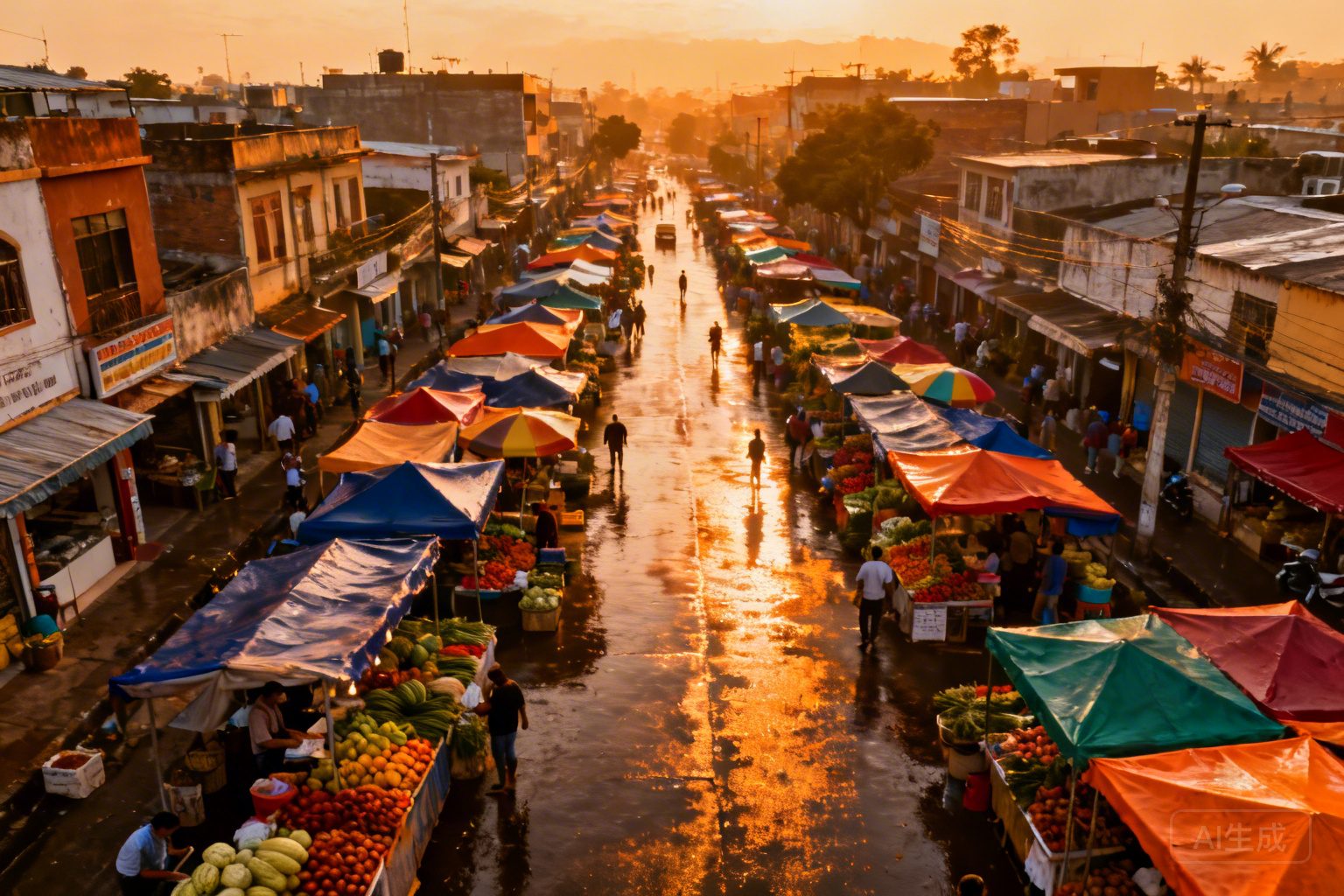
At 5:30 AM, the Marché de Papeete—the Marché Mapuru a Paraita—is the center of the universe. The light here is specific: a pale, watery gold filtered through the high, rusted girders of the market hall, illuminating dust motes that dance like tiny spirits above piles of taro and mounds of ginger. The air is a thick soup of smells. One moment it is the sharp, ozone-sting of fresh-caught yellowfin tuna being sliced onto plastic sheets; the next, it is the cloying, buttery sweetness of firifiri—Tahitian donuts shaped like figure-eights, deep-fried in coconut oil and sold by women with forearms as thick as logs and smiles that contain the warmth of a thousand suns.
Observe the vendors. There is a specific rhythm to their movement, a slow-motion choreography dictated by the humidity. Near the back entrance, an elderly woman sits on a low wooden stool, her skin the texture of a sun-dried plum. She is weaving a lei, her fingers moving with a mechanical, prehistoric precision, threading needle-thin fibers through the fleshy hearts of tiare flowers. She does not look up when you pass. She is a silent monk of the flora, her devotion measured in the number of blossoms she tethers to a string.