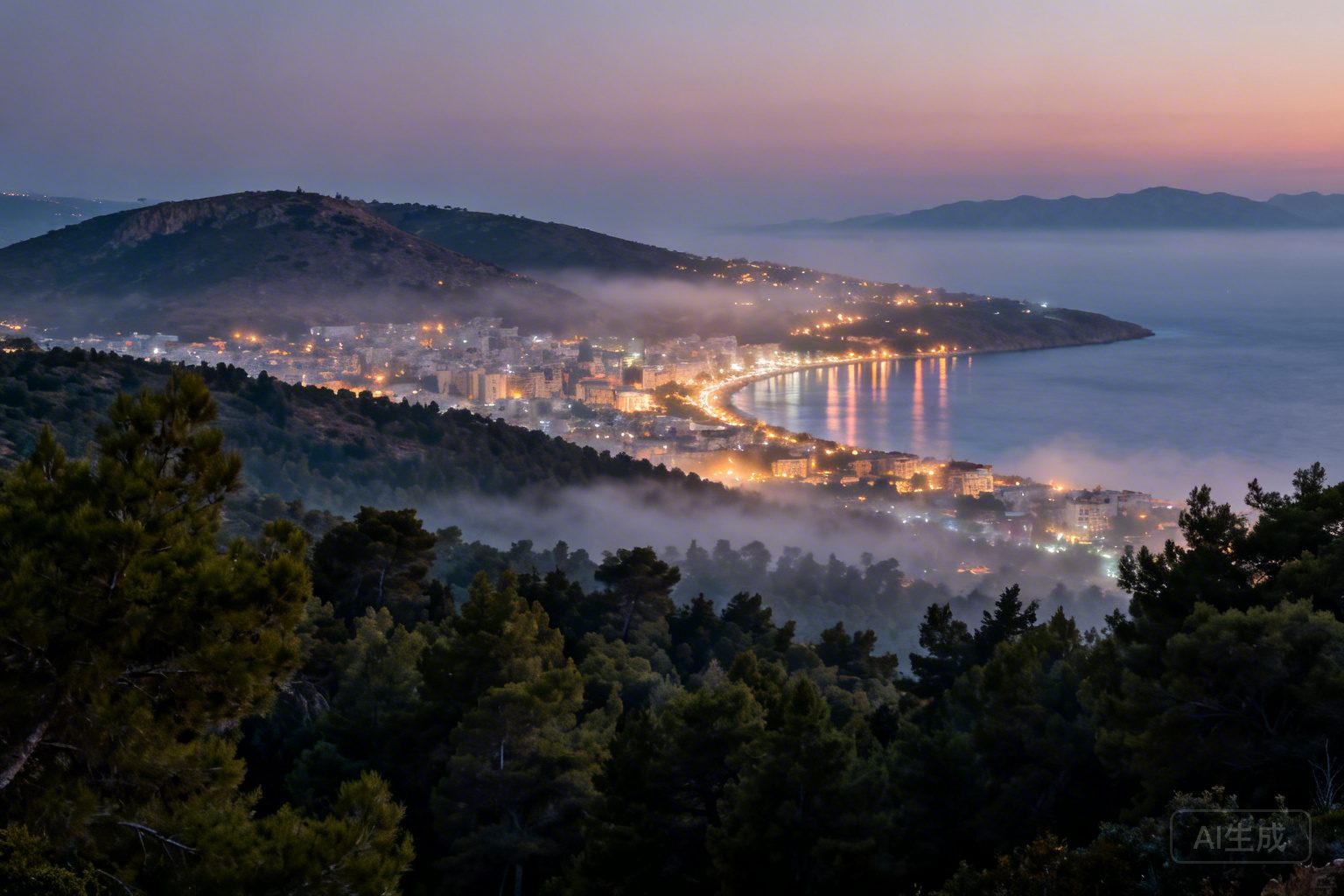
Why Phuket is the #1 Destination You Need to Visit This Year!
The Amber Hour in the Pearl of the Andaman
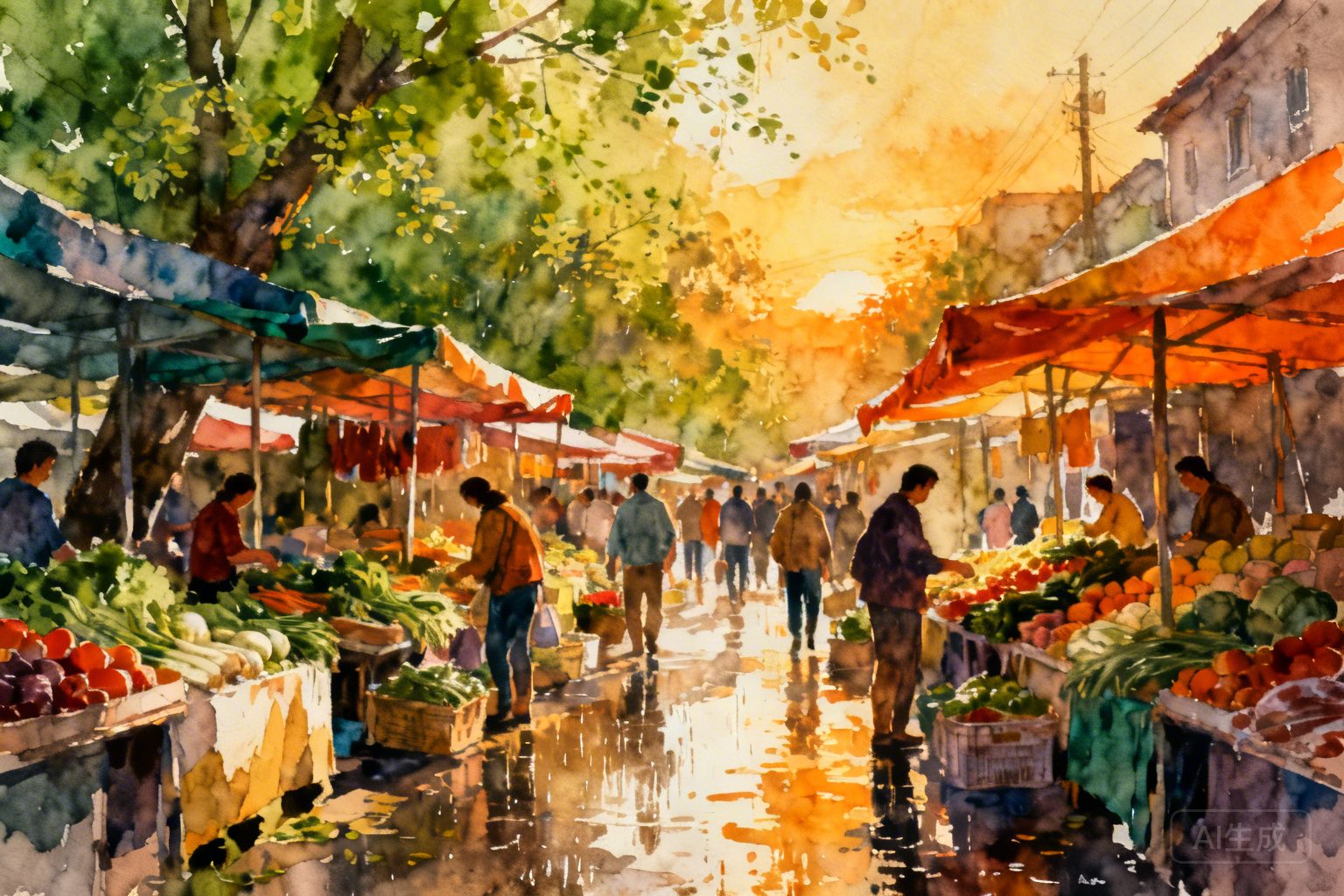
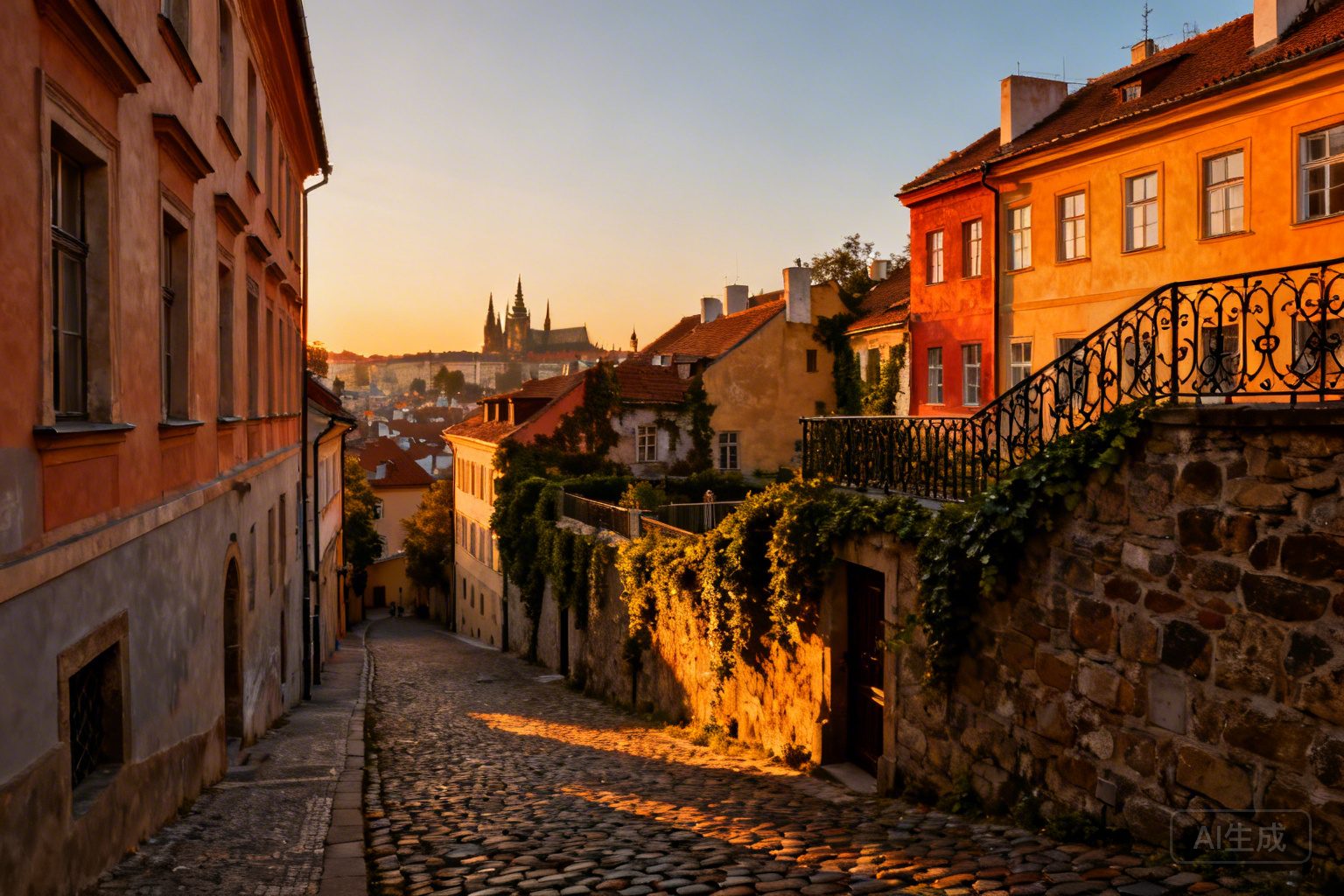
The humidity in Phuket Town doesn’t just sit on your skin; it claims you. It is a wet silk shroud, heavy with the scent of fermented shrimp paste, scorched jasmine, and the metallic tang of old tin mines. I am standing on the corner of Thalang Road, where the architecture feels like a fever dream of a Portuguese sailor and a Hokkien merchant. The buildings—shophouses painted in shades of bruised plum, turmeric yellow, and a blue so defiant it mimics the Andaman Sea—lean against one another like elderly friends sharing a secret. Here, the paint doesn’t just peel; it curls back in parchment-thin ribbons, revealing the grey, calcified bones of the 19th century beneath.
A motorbike screams past, a rusted Honda Dream carrying a family of four and a basket of live chickens, its exhaust note a frantic staccato that bounces off the arched “five-foot-ways.” The air ripples. To your left, a man sits on a low plastic stool, his fingers stained permanent ochre from years of rolling hand-pressed cigars. He doesn’t look at the tourists. He looks through them, his eyes fixed on some invisible point in 1974, back when the island was a quiet outpost of rubber plantations and salt-crusted docks. He is the first character in this living theater: the Silent Sentinel of the Old Quarter.
Phuket is not a destination. It is a collision.
The Architecture of Memory
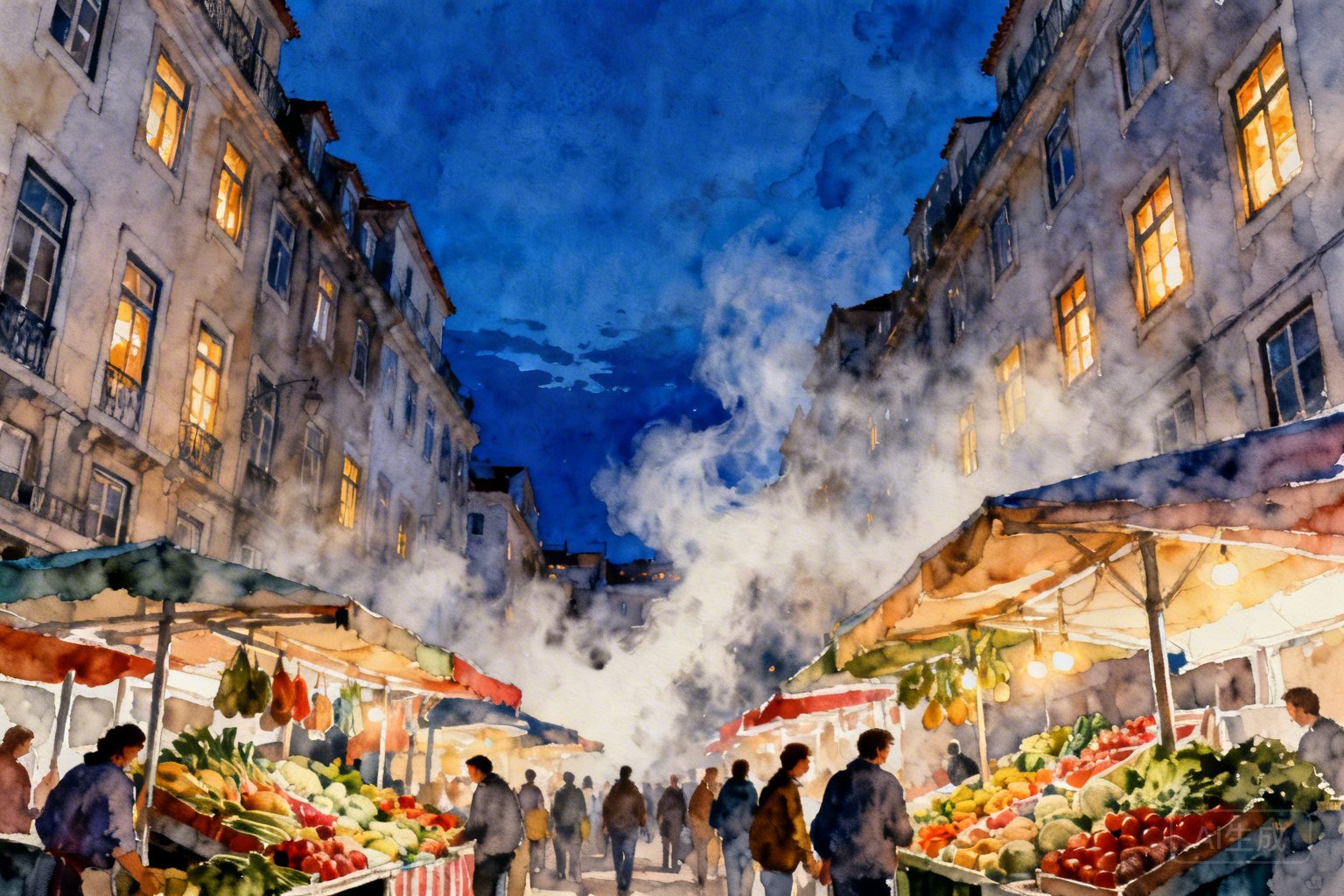
To understand why this island demands your presence this year, you must first surrender the notion that it is merely a beach. To start at the shoreline is to miss the heartbeat. You must start in the interior, in the Sino-Portuguese heart, where the shadows are long and the ghosts are thick. Walking down Soi Rommanee, the former red-light district of the tin-mining boom, the wind carries a specific pitch—a low, melodic whistling as it whips through the ornate stucco vents above the heavy teak doors. It is a cool wind, surprisingly, carrying the breath of the hills.
I stop to touch a door. It is 100 years old, heavy enough to withstand a monsoon, the wood pitted by woodworms and history. The grain is rough, like sun-dried leather. Next door, a boutique café serves nitro-brew coffee to a woman in a linen suit who looks as though she just stepped off a yacht in Antibes. She is frantic, her thumbs dancing across a smartphone screen with the rhythmic aggression of a woodpecker, her brow furrowed over a spreadsheet that has no business existing in a place this slow. She is the Frantic Modernist, a stark contrast to the monk I see across the street.