Why Tokyo is the #1 Destination You Need to Visit This Year!
The Neon Pulse and the Cedar Breath: A Love Letter to the Incongruous
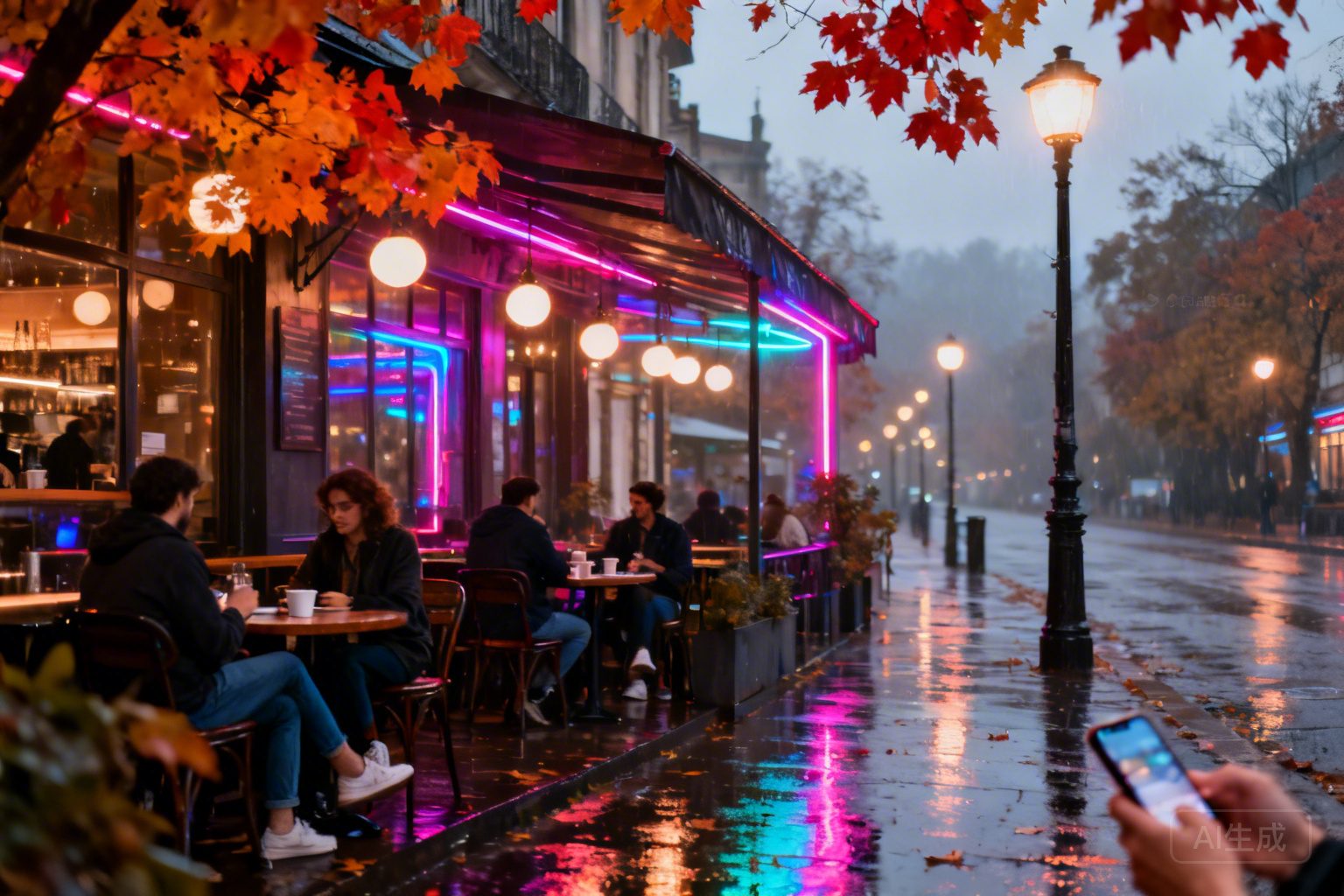
To step out of Shinjuku Station at 7:00 PM is to surrender your central nervous system to a symphony of controlled chaos. It is a sensory assault that feels like a velvet hammer—urgent, relentless, yet impossibly polite. The air smells of ozone, roasted sesame oil, and the sharp, metallic tang of a thousand cooling air conditioners. Somewhere in the distance, a high-pitched digital chime signals the closing of a subway gate, a sound so ubiquitous it becomes the heartbeat of the city itself. This is Tokyo in its most honest hour, a shimmering mirage of light and shadow that defies the linear progression of time.
Why now? Why this year? Because Tokyo has reached a fever pitch of refinement, a moment where its ancient scars and its futuristic aspirations have finally fused into something entirely new. It is no longer just a city; it is a living, breathing algorithm that occasionally stops to pray at a wooden shrine. The paint on the torii gates of Nezu-jinja may be peeling in microscopic flakes of vermilion, but the 5G towers humming overhead are already calculating the future of the planet. It is this friction—the scrape of the wooden clog against the polished granite of a skyscraper lobby—that makes it the most vital destination on the map today.
The Architecture of Silence in a City of Sound
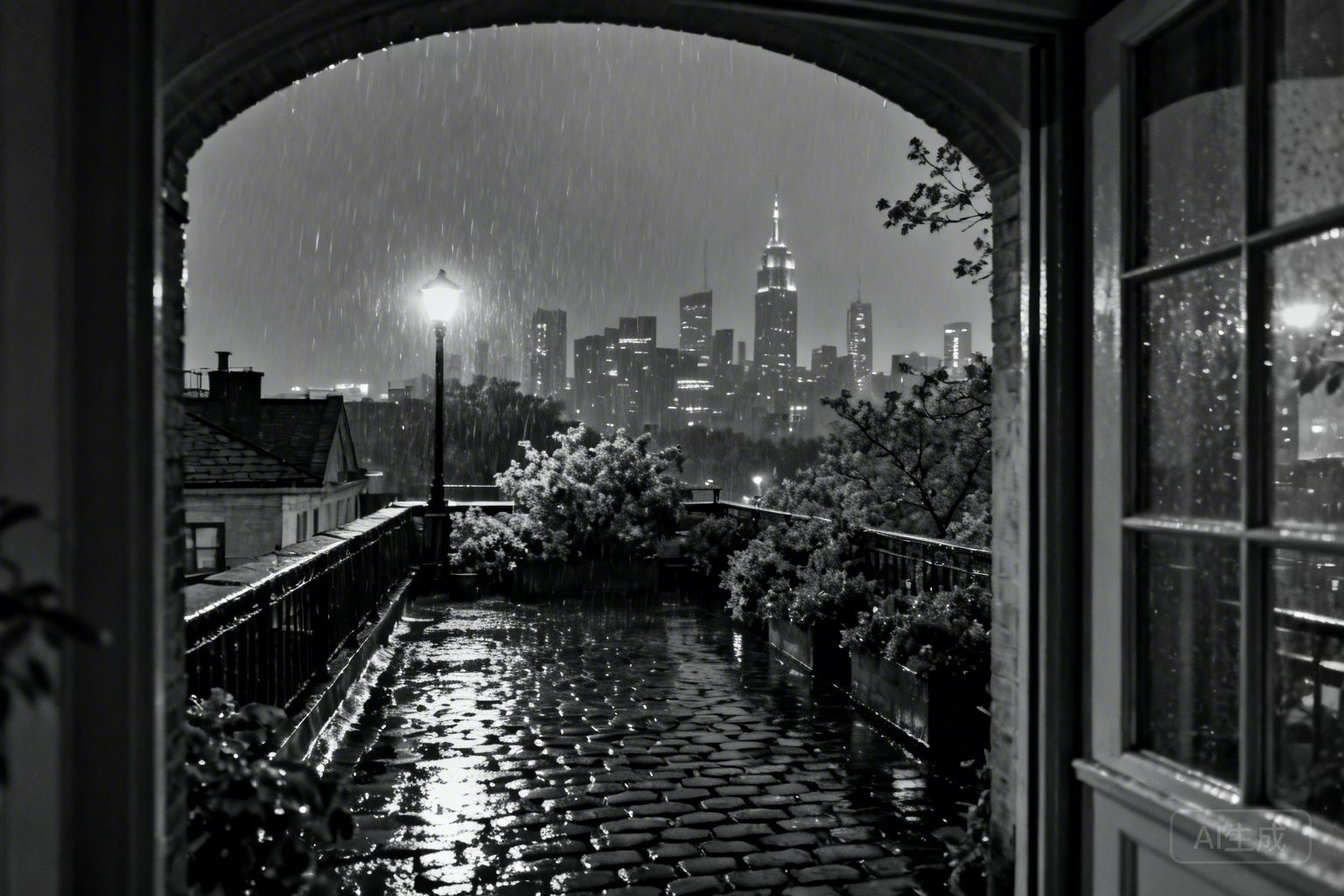
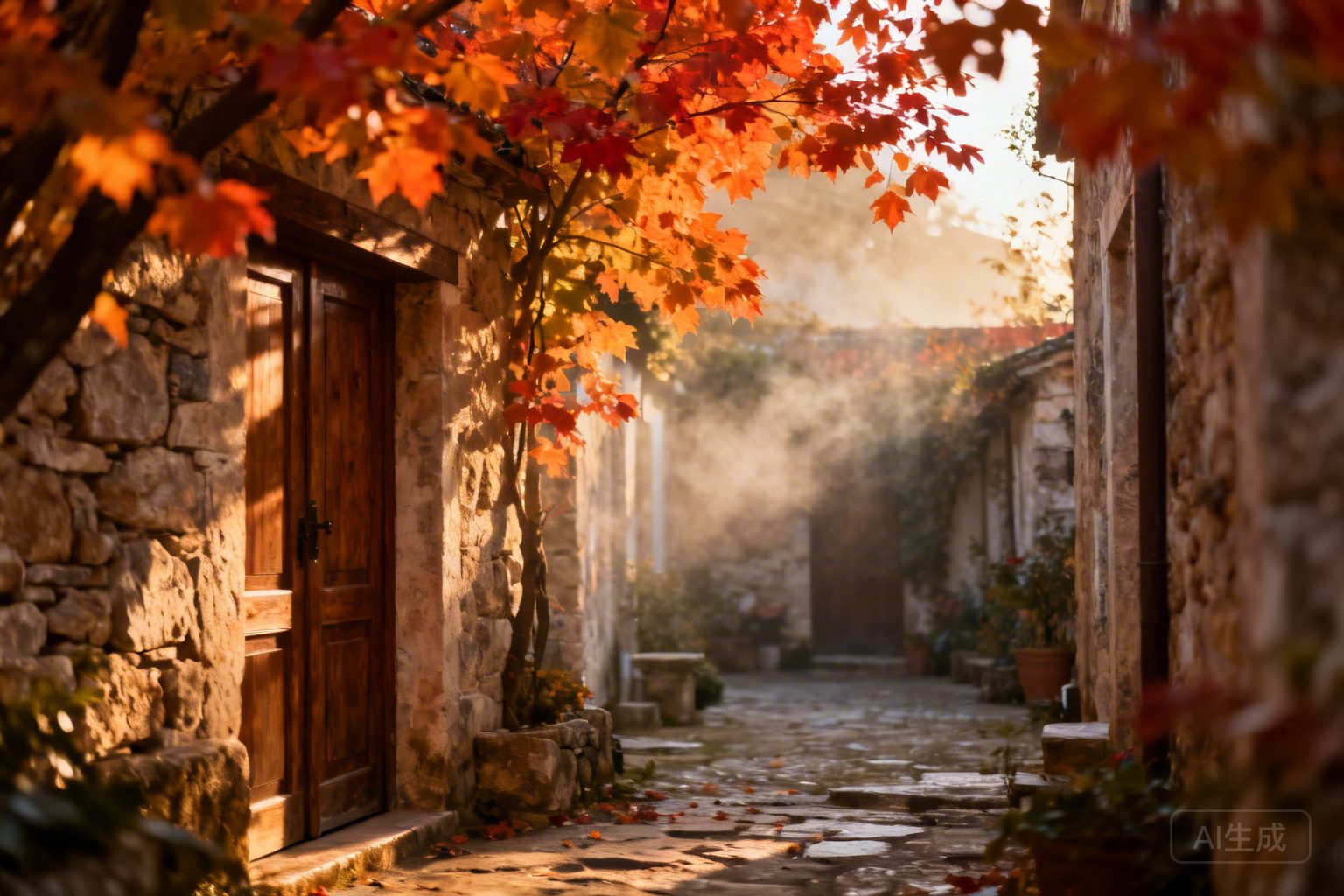
I found myself standing in the Yanaka district as the first bruise-colored clouds of a spring storm rolled over the low-slung rooftops. Yanaka is the “Old Tokyo” that the firebombs of 1945 and the developers of 1980 somehow forgot to erase. Here, the lanes are narrow enough for neighbors to pass tea through open windows. I watched a silent monk, his robes the color of a storm-tossed sea, sweeping the fallen ginkgo leaves with a broom made of bundled twigs. His movements were rhythmic, a slow-motion dance against the frantic backdrop of the Yamanote line humming in the distance. He didn’t look up; he was engaged in the holy task of tidying the wind.
The texture of Yanaka is rough-hewn and porous. It is the grit of unglazed ceramics and the smell of cedar wood that has been baking in the sun for eighty years. Unlike the chrome-and-glass vertigo of Roppongi, Yanaka feels like a thumbprint—unique, tactile, and deeply human. I stopped at a tiny shop where an elderly woman with skin like crumpled parchment sold handmade senbei (rice crackers). She flipped them over a charcoal brazier with long metal chopsticks, the heat radiating in waves that distorted the air around her face. The crackers were charred just enough to impart a bitter, smoky depth that fought against the sweet glaze of soy sauce.