Why Varanasi is the #1 Destination You Need to Visit This Year!
The Vertical City of the Dead and the Dreaming
Time does not march in Varanasi; it loops, coils, and eventually dissolves into the silt of the Ganges. To arrive here is to step into a sensory assault that feels less like a vacation and more like a fever dream directed by a cinematographer with a penchant for high-contrast shadows and marigold-orange hues. They call it Kashi—the City of Light—but the light here is heavy. It is a thick, golden syrup that clings to the crumbling lime-plaster of the 18th-century havelis, illuminating the dust motes kicked up by a thousand passing bicycles and the rhythmic, guttural chanting of priests who have forgotten what it means to be silent.
This is why you must come now. Not because it is changing—Varanasi treats the concept of “change” with a polite, ancient disdain—but because in an increasingly sanitized, algorithmically-curated world, this is the last place on earth that refuses to blink. It is raw, it is unapologetic, and it is the only destination that will demand you reconcile your soul with your skin.
Morning: The Alchemy of River Water
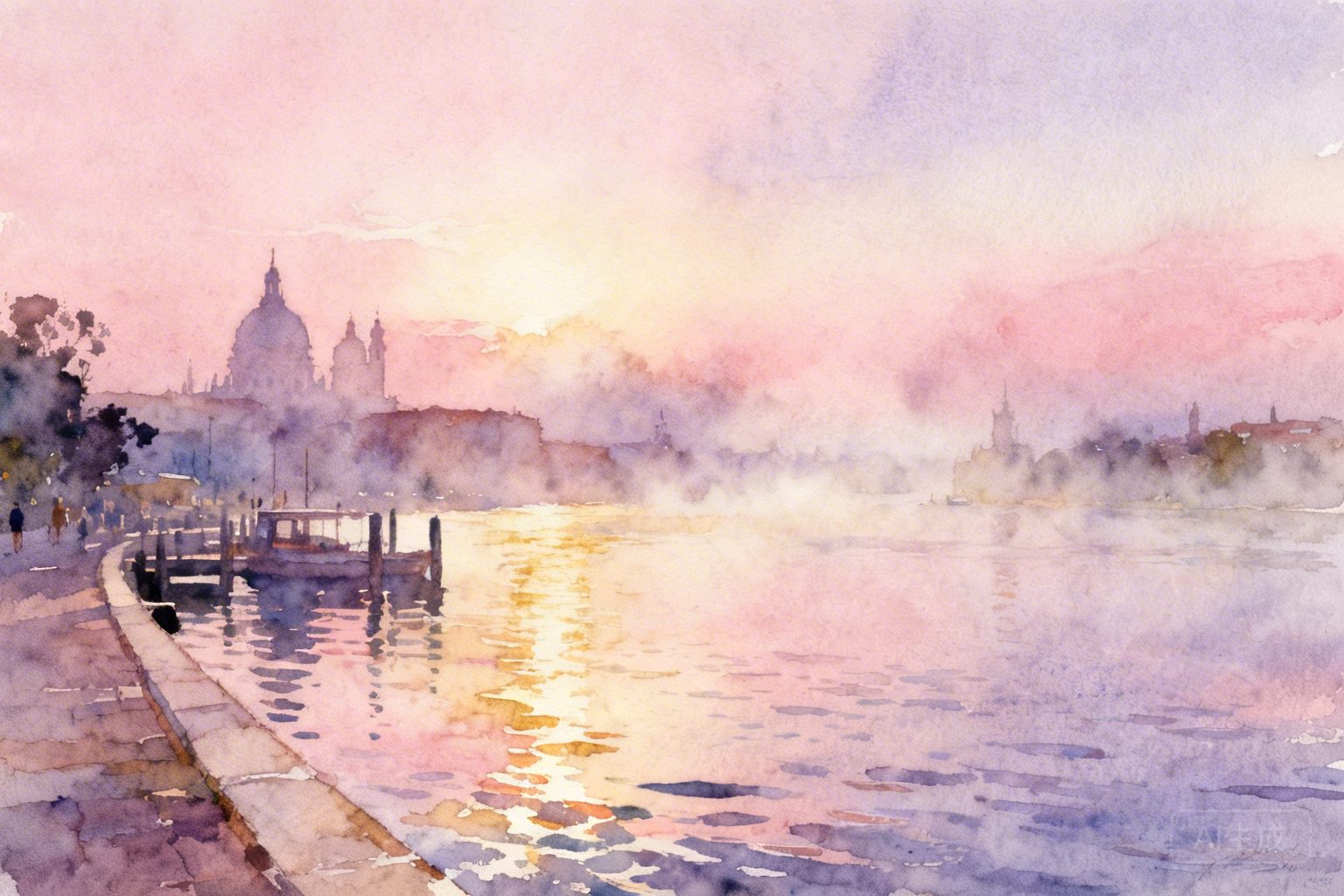
At 4:30 AM, the air is the color of a bruised plum. The wind whipping off the Ganga at Assi Ghat carries the scent of cold wet stone, sandalwood incense, and the faint, metallic tang of the river. It is freezing, a sharp, crystalline cold that bites through pashmina wool. I watch a silent monk—his skin the texture of a sun-dried date—descend the stone steps. He does not shiver. He moves with a terrifying, fluid grace, his saffron robes trailing in the grey mud until he submerges himself completely. When he rises, the water sheathing his shoulders looks like molten mercury.
The city wakes not with a whisper, but with a cacophony of bells. The Subah-e-Banaras ceremony begins, a synchronized dance of fire and brass. Young priests, their faces set in masks of terrifying concentration, swing heavy incense burners. The smoke rises in pillars, thick enough to touch, smelling of crushed cloves and resin. To your left, a group of Japanese tourists huddles in North Face parkas, their expensive lenses fogging in the humidity; to your right, a widow in a translucent white sari stares at the horizon with eyes that seem to have seen the beginning of the world.