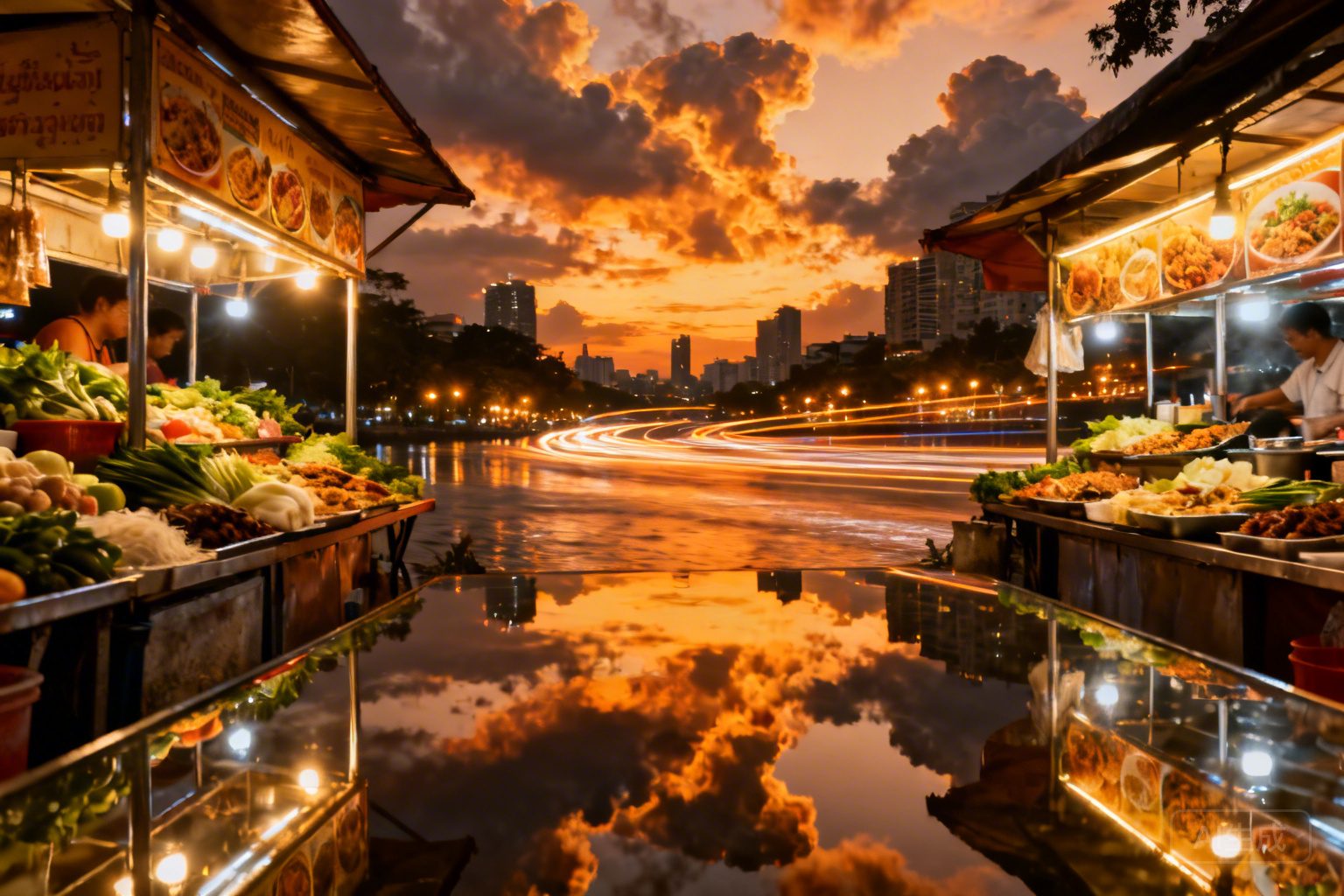
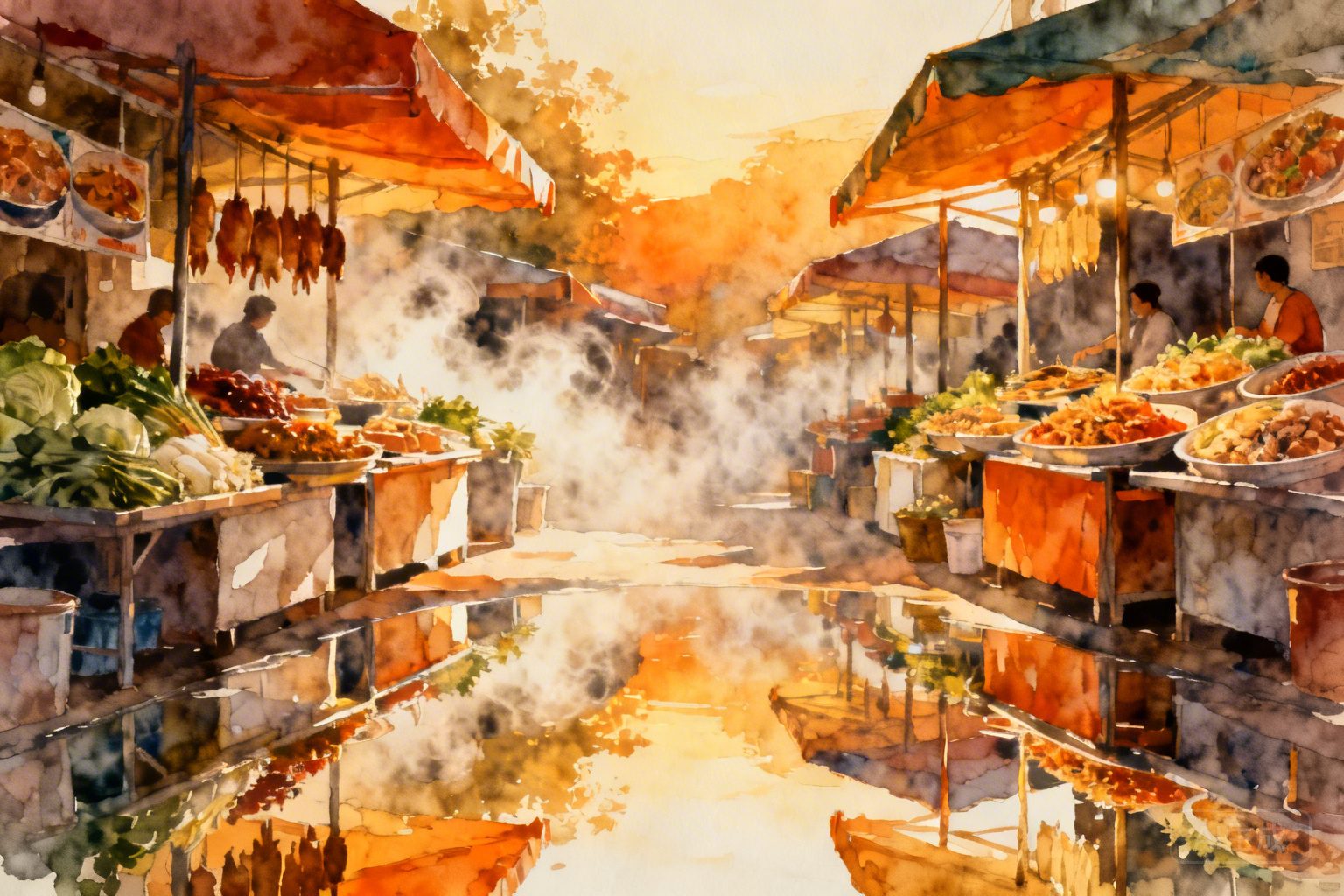
Wild Luang Prabang: 7 Natural Wonders That Look Like Another Planet!
The Humidity of History
The air in Luang Prabang does not merely exist; it weighs. It is a humid, velvet shroud that smells of fermenting fish paste, toasted sticky rice, and the damp, metallic tang of the Mekong River. As I stepped off the prop plane onto the tarmac, the heat didn’t just meet me—it claimed me. It is a slow-motion city, a place where the clocks seem to have melted into the terracotta roof tiles of the UNESCO-protected villas. Here, the 19th-century French colonial architecture doesn’t just sit; it peels, revealing the ochre-tinted limestone beneath like a scab on a healing wound. The paint on a century-old door near the Nam Khan bridge is the color of a bruised plum, curling at the edges in dry, brittle flakes that crumble under the slightest pressure of a thumb.
I watched a brusque waiter at a riverside café—a man with skin like cured leather and a cigarette permanently fused to his lower lip—slam a glass of Beerlao onto a wooden table. He didn’t look at the customers. He looked at the horizon, where the mountains rose up like the spines of sleeping green dragons. This is a town of quiet, jagged edges. You see it in the silent monks who drift through the morning fog like saffron-colored ghosts, their bare feet never quite seeming to touch the grit of the pavement. You see it in the frantic office worker, a rarity here, clutching a briefcase and dodging a stray dog with a desperation that feels offensive in a place this still.
Luang Prabang is often described as a “jewel box,” but jewels are hard and cold. This place is organic, breathing, and occasionally terrifying in its botanical dominance. Beyond the gilded temples lies a landscape so surreal it feels like a glitch in the geography of the Earth. These are the seven natural wonders where the planet forgets its own rules.
1. The Turquoise Alchemy of Kuang Si
To reach Kuang Si, one must endure the thirty-kilometer gauntlet of a tuk-tuk ride that feels like being trapped inside a cocktail shaker. The wind at the corner of the main night market is hot and dusty, but as you climb toward the falls, it thins, turning crisp and smelling of crushed ferns. Then, you see it: water the color of a synthetic dream. It is not blue; it is a milky, electric cyan, a chemical reaction between the limestone floor and the sunlight that feels almost radioactive.